The High Court in Nairobi has declined to suspend Kenya’s Sh5 trillion National Infrastructure Fund, allowing the government to proceed with the financing vehicle under court-ordered oversight. Justice Patricia Nyaundi ordered the National Treasury to submit certified accounts and transaction reports every three months starting November 30.
High Court Ruling Protects Sh5 Trillion Infrastructure Fund From Immediate Freeze
The High Court has spared Kenya’s ambitious Sh5 trillion National Infrastructure Fund from an immediate freeze, dealing a setback to petitioners seeking to halt the financing initiative. The court subjected the state’s financial strategy to strict judicial oversight. The ruling permits the National Treasury to continue implementing the fund, which is designed to accelerate major projects in transport, energy, and water across Kenya. NIF is Kenya’s strategic financial vehicle, established under the NIF Act, 2026, to mobilise over Ksh5 trillion over the next decade to accelerate major infrastructure projects, especially in transport, energy, and. However, the continuation is contingent upon continuous financial disclosure. The constitutional petition challenging the fund was filed by Kemunto Ateka, Frego Engineering Company Limited and other parties, challenging the legality of the National Infrastructure Fund proposed by President William Ruto. The petitioners argued that the fund creates a framework that could allow the government to spend public resources outside the constitutional system of public financial management, potentially undermining transparency, accountability and parliamentary oversight.
Mandatory Financial Disclosures Imposed on National Treasury
The National Treasury has been ordered to disclose certified accounts and regularly report all deposits, withdrawals and allocations pending determination of a constitutional petition challenging NIF’s legality. Under the court’s directives, the Treasury was directed to file Auditor-General-certified accounts within 30 days, by August 24, detailing all money received since the fund’s commencement, the dates deposits were made into Central Bank of Kenya or commercial bank accounts operated under the law, and every transaction, expenditure and allocation. Justice Mande further ordered the State to submit a comprehensive record of all transactions, expenditures and allocations made from the fund. According to the court, the government must continue filing transaction reports in court every three months from November 30 until the petition is determined. The respondents must continue filing the certified accounts and transaction reports every three months, with the first report due on November 30, 2026, until the constitutional petition is heard and determined. According to Justice Patricia Nyaundi, the petition raises arguable constitutional questions over the fund’s legal framework. In her ruling, the judge held that suspending the fund would not be appropriate before hearing and determining the full constitutional petition. The judge said the reporting requirement is intended to maintain judicial oversight over the management and use of the fund while the court considers the constitutional questions raised by the petitioners.
Financing Structure and Asset-Sale Proceeds
The Fund was established under the National Infrastructure Fund Act, 2026 to mobilise up to Sh5 trillion for strategic infrastructure. The law provides for the fund to be managed by an independent board and a competitively recruited chief executive, with the board responsible for overseeing investments and operations. Kindiki: Water projects will be biggest beneficiaries of National Infrastructure Fund.

President Ruto Unveils Governance and Digital Auditing Reforms
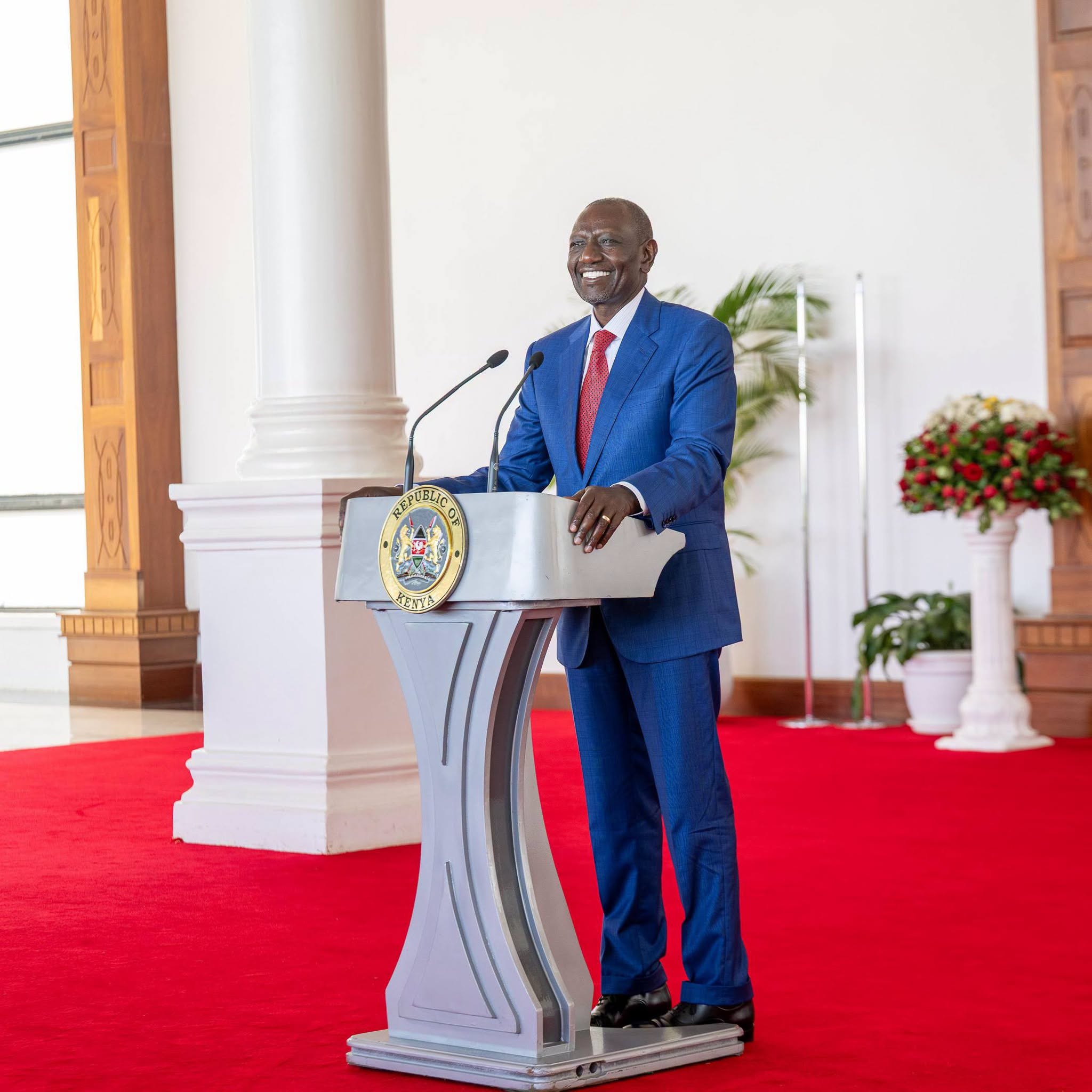
President William Ruto has assured Kenyans that the newly restructured National Infrastructure Fund will operate under stringent transparency and accountability measures aimed at eliminating the misuse of public resources and ensuring that every shilling invested in infrastructure delivers value to taxpayers. The President said the reforms mark a significant shift in the management of public investment, noting that the government is determined to restore confidence in the financing of major national development projects while positioning Kenya as a preferred destination for infrastructure investment. Speaking during the launch of the new governance framework, President Ruto said the National Infrastructure Fund will become one of the country’s most transparent financing vehicles, with systems designed to curb corruption, improve efficiency and accelerate the implementation of transformative projects.

We are building an infrastructure financing system founded on integrity, transparency and accountability. Public resources must be protected, and every investment must translate into meaningful development for the people of Kenya,
the President said.
The restructuring comes as the government accelerates implementation of multi-billion-shilling projects in transport, energy, water, housing and digital infrastructure, many of which rely on a combination of public funding, Public-Private Partnerships (PPPs) and support from international development partners. According to the Head of State, the reforms are intended to address long-standing concerns over delayed projects, inflated contract costs, procurement irregularities and weak oversight that have in the past undermined the delivery of critical infrastructure. A key feature of the new framework is the establishment of an independent oversight board that will supervise t.
The constitutional petition remains active in the High Court, where judges will ultimately decide whether the operational structure and asset-mobilisation strategy of the National Infrastructure Fund fully comply with Kenya’s public finance laws.