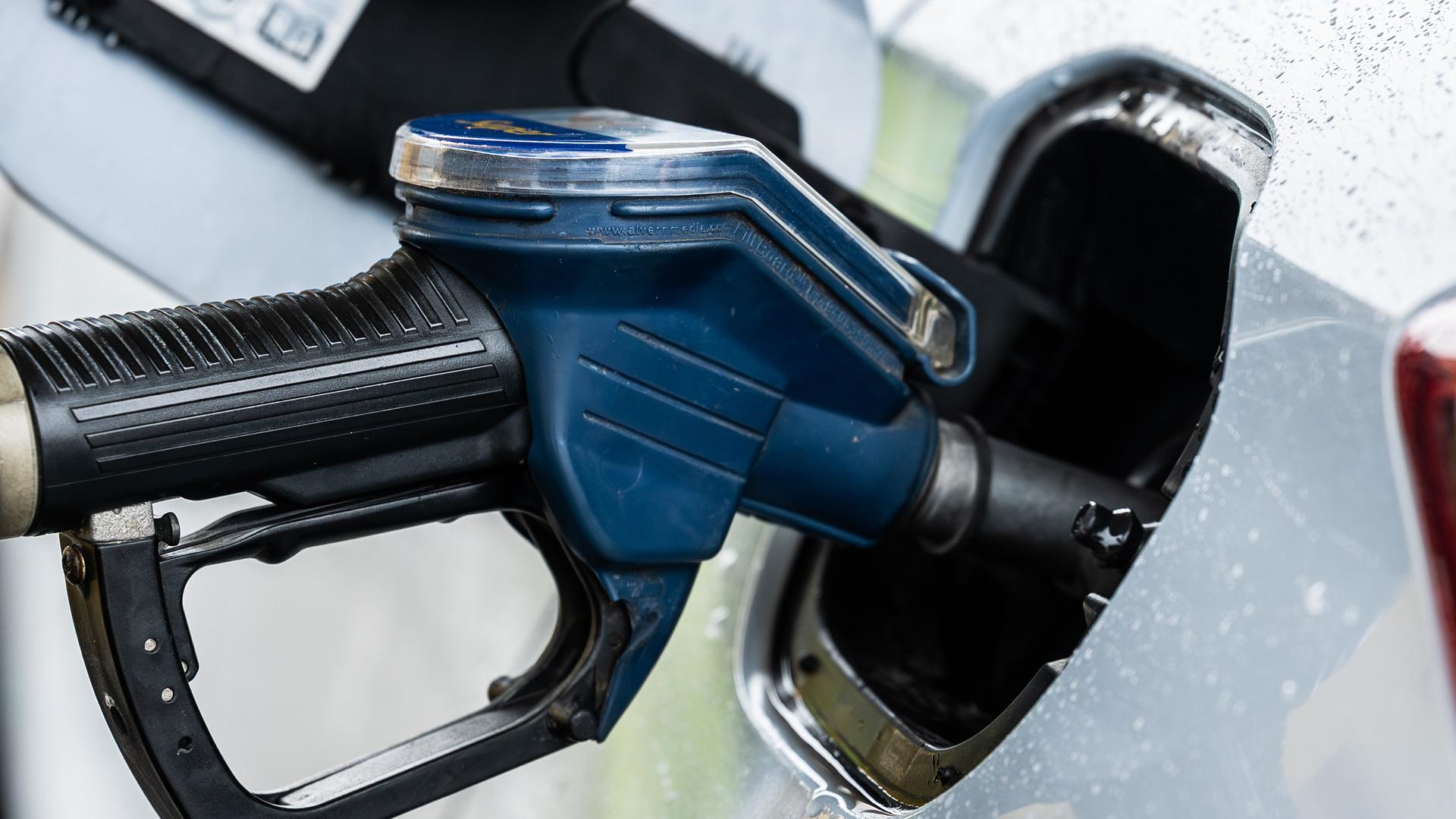
Rising fuel prices, spurred by geopolitical instability and market dynamics, are prompting German motorists to increasingly cross borders in search of cheaper petrol and diesel. The trend, dubbed “tank tourism,” is particularly noticeable in neighboring countries where fuel taxes and pricing structures offer significant savings. While the immediate cause is concern over the escalating conflict in Iran and its impact on global oil markets, the underlying issue is a long-standing disparity in fuel costs across Europe.
The price of Brent crude oil, a key benchmark for European markets, surpassed $90 per barrel on Friday, March 7, 2026 – a level not seen since 2024. However, experts emphasize that the retail price at the pump is not solely dictated by crude oil costs. According to a statement from Fuels and Energy e.V., a German industry association, the prices of refined fuel products like gasoline and diesel, which are traded on commodity exchanges, are the primary driver of costs for petrol stations. The association’s recent report details the complexities of fuel pricing and the factors contributing to the current surge.
Cross-Border Fuel Runs Increase
The German Automobile Club (ADAC) reports that fuel prices in Eastern and Southeastern Europe are consistently lower than in Germany. This assessment is based on data compiled by the European Commission’s Weekly Oil Bulletin, which monitors fuel prices across EU member states. Countries like Luxembourg, Austria, Poland, and the Czech Republic benefit from different tax and levy policies on fuels, and likewise started from a lower price base when the recent increases began. This price difference is fueling a surge in cross-border fuel runs.
Reports from the Deutsche Presse-Agentur indicate long queues forming at petrol stations in the Polish border region and the Czech Republic, with some motorists filling jerrycans with fuel. Lower prices are also currently available in Belgium, Austria, and Luxembourg. This surge in demand is a direct consequence of the price disparity, creating a noticeable impact on fuel stations near border crossings.
Border Controls Intensified
In response to the increased activity, customs officials in the German state of Brandenburg have stepped up controls at the border. The import of fuel from abroad is duty-free only if This proves for personal use and transported directly in the vehicle’s tank. Jerrycans containing up to 20 liters are also exempt from duty, provided the fuel is compatible with the vehicle’s engine. These regulations are designed to prevent commercial fuel smuggling and ensure compliance with tax laws.
Debate Over Fuel Price Caps
The significant price increases since the onset of the conflict in Ukraine have reignited calls for a reintroduction of a fuel price cap, similar to measures implemented previously. However, both Federal Economics Minister Robert Habeck (CDU) and economists have voiced opposition to such a policy. Leading business associations – the BDA, BDI, IHK, and ZDH – have also rejected the idea. Environmental organizations like Germanwatch and the Verkehrsclub Deutschland (VCD) have similarly expressed concerns about the effectiveness and potential drawbacks of a price cap.
The Federal Cartel Office (Bundeskartellamt) has also cautioned against expecting a quick fix to rising fuel prices. According to Behördenchef Mundt, the agency lacks the tools to counteract geopolitically driven price increases “at the push of a button.” However, the office continues to monitor fuel price developments closely. The complex interplay of global events, market forces, and national policies makes addressing fuel price volatility a significant challenge for policymakers.
Understanding the Factors Driving Fuel Prices
The current situation highlights the vulnerability of fuel prices to international events. The conflict in Iran, a major oil producer, has introduced a significant risk premium into the market. Beyond geopolitical factors, currency exchange rates, refining capacity, and seasonal demand all contribute to price fluctuations. The structure of the European fuel market, with varying tax rates and regulations across member states, further complicates the picture. Germany, with its relatively high fuel taxes, consistently ranks among the countries with the most expensive petrol and diesel in Europe.
The EU’s energy policy, aimed at transitioning to a low-carbon economy, also plays a role. Policies such as the Emissions Trading System (ETS) and mandates for biofuels contribute to the cost of fuel. While these policies are designed to promote sustainability, they also add to the financial burden on consumers. The ongoing debate over fuel prices underscores the tension between energy security, affordability, and environmental goals.
The Impact on Consumers and Businesses
Rising fuel costs have a broad impact on both consumers and businesses. For individuals, higher petrol and diesel prices translate into increased transportation costs, affecting commuting, travel, and the price of goods and services. Businesses, particularly those reliant on transportation, face increased operating expenses, which can lead to higher prices for consumers. The agricultural sector, for example, is heavily dependent on fuel for machinery and transportation, making it particularly vulnerable to price increases.
The trend of “tank tourism” also has implications for the German fuel retail sector. Petrol stations in border regions are losing business as motorists opt to fill up in neighboring countries. This could lead to job losses and reduced tax revenues for the German government. The situation underscores the need for a comprehensive approach to addressing fuel price volatility and ensuring a sustainable energy future.
The European Commission’s Weekly Oil Bulletin will continue to provide updated data on fuel prices across Europe, offering valuable insights into the evolving situation. Monitoring these trends is crucial for both policymakers and consumers as they navigate the challenges of a volatile energy market.
As of March 7, 2026, the situation remains fluid, with ongoing monitoring of the geopolitical landscape and its impact on global oil supplies. The next key development to watch will be the outcome of upcoming discussions within the European Union regarding potential measures to mitigate the impact of high fuel prices on consumers and businesses. Further updates will be provided as they become available.
What are your thoughts on the rising fuel prices and the trend of “tank tourism”? Share your experiences and opinions in the comments below. Don’t forget to share this article with your network to raise awareness about this important issue.