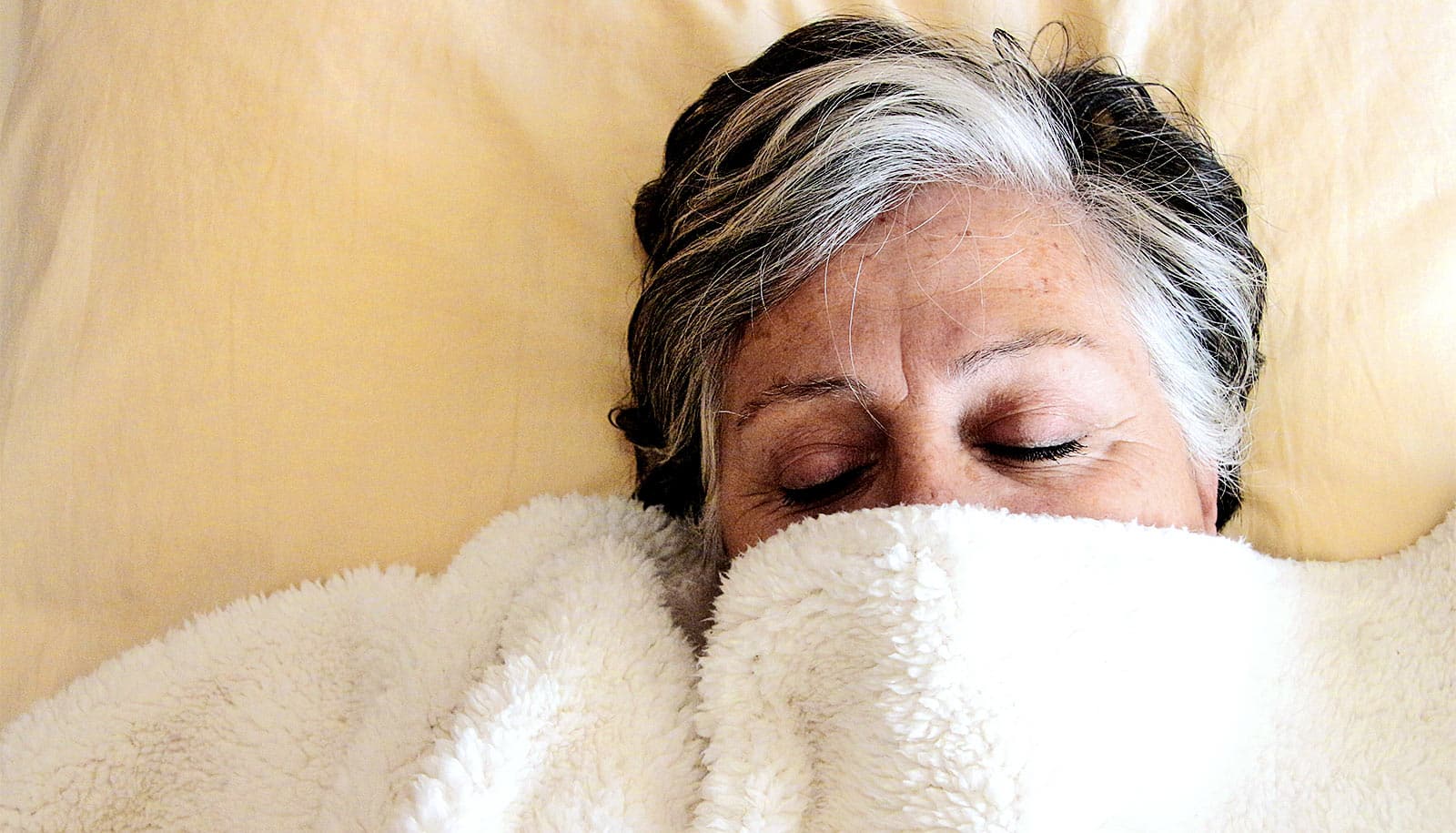
For millions of older adults living with mild cognitive impairment (MCI), the struggle to achieve a restful night’s sleep is more than just a nuisance—it is a significant hurdle in maintaining overall health and potentially slowing the progression of cognitive decline. New research suggests that the key to unlocking better sleep for this population may lie in the intensity of their physical activity, with high-intensity workouts offering the most substantial benefits.
A study conducted by researchers at the Center for Community Health and Aging at the Texas A&M University School of Public Health indicates that while both light and vigorous exercise can reduce sleep disturbances, the impact of high-intensity activity is markedly more effective. This finding arrives as a critical piece of the puzzle for the estimated 8 to 10 million older adults in the United States living with MCI, many of whom experience significant sleep deficits compared to their peers according to Texas A&M University.
The intersection of sleep and cognitive health is a focal point for medical professionals globally. Quality sleep is known to reduce the risk of developing dementia, yet those with MCI often struggle with sleep latency and fragmentation, typically sleeping about 34 minutes less per night than those without impairment. By identifying which types of exercise most effectively stabilize sleep patterns, healthcare providers can better tailor interventions to improve the quality of life for an aging population.
As the prevalence of cognitive impairment rises, the need for objective, data-driven guidance on physical activity becomes urgent. The number of older adults with mild cognitive impairment in the U.S. Is projected to increase by 76%, reaching more than 21 million people by 2060 as reported by Texas A&M University.
Moving Beyond Self-Reporting: The Role of Digital Health
One of the primary challenges in studying sleep and cognitive impairment is the reliability of data. Many previous studies relied on self-reported surveys, which can be problematic for participants who struggle with memory or cognitive processing. To address this, digital health care expert Jungjoo Jay
Lee and health behavior expert Junhyoung Paul
Kim utilized wearable technology to gather objective metrics.
“Most previous studies on sleep issues with this group relied on self-reported surveys, which can be problematic for participants with cognitive impairment. We used a more objective measurement.” Jungjoo “Jay” Lee, digital health care expert
The research team, whose findings were published in the journal Digital Health, equipped seven older adults at a long-term care facility in the United States with Oura Rings. For 14 days, the researchers tracked physical movement, heart rate spikes and skin temperature changes to identify restless sleep and categorize activity levels based on metabolic equivalent levels via PubMed Central.
The Impact of Exercise Intensity on Sleep Quality
The study’s results highlight a clear distinction between the effects of light, moderate, and vigorous activity. While it was long assumed that gentle movement was the safest or most effective route for older adults with cognitive challenges, the data suggests a more nuanced reality.
High-intensity exercise emerged as the most potent tool for reducing sleep disruptions. According to Junhyoung Paul
Kim, the correlation was striking: For every extra second of vigorous activity, sleep disruptions dropped by nearly a fifth of a second
according to the Texas A&M report.
The findings for other activity levels were less definitive:
- Light Activity: Also reduced sleep issues, though the impact was described as much smaller than that of vigorous exercise.
- Moderate Activity: Did not show a significant impact on sleep disturbance within the study’s parameters.
This discrepancy in effectiveness suggests that the physiological demand of vigorous exercise may trigger a more profound restorative response during sleep, helping the brain and body recover more efficiently. However, the researchers noted several limitations, including the slight sample size of seven participants and the lack of a breakdown between specific types of exercise, such as strength training versus cardiovascular work.
Practical Applications for Caregivers and Clinicians
Despite the small sample size, the researchers believe these findings fill a crucial gap in geriatric care. The goal is to move toward tailored exercise programs that are both practical and sustainable for older adults. Rather than a one-size-fits-all approach, the study suggests that integrating higher-intensity movements—where safe and appropriate—could yield the best results for sleep hygiene.
“Tailored exercise programs like group walking clubs or swimming lessons could be practical, fun, and long-lasting ways for these older adults to prolong their quality of life.” Junhyoung “Paul” Kim, health behavior expert
For families and healthcare providers, this research emphasizes the importance of consulting with medical professionals to determine the safe upper limit of exercise intensity for patients with MCI. While vigorous activity is beneficial, it must be balanced with the individual’s physical capabilities and medical history to avoid injury.
Key Takeaways for Managing Sleep and MCI
- Prioritize Intensity: Vigorous activity shows the strongest correlation with reduced sleep disturbances in adults with mild cognitive impairment.
- Objective Tracking: Wearable technology, such as smart rings, provides more accurate sleep and activity data than self-reported surveys for those with cognitive decline.
- Consistency Matters: The study monitored participants over a 14-day period, suggesting that regular activity is key to stabilizing sleep patterns.
- Holistic Approach: Combining physical activity with sleep hygiene is essential for reducing the risk of progression toward dementia.
As the medical community continues to explore the link between physical exertion and neurological health, further large-scale studies will be necessary to refine these guidelines. The current evidence points toward a future where “prescription exercise” is specifically calibrated to the cognitive and sleep needs of the individual.
Further research into the specific modalities of high-intensity exercise—such as the difference between high-intensity interval training (HIIT) and vigorous steady-state cardio—is expected to follow as the field of digital health evolves.
We invite our readers to share their experiences with exercise and sleep management in the comments below. How has physical activity impacted your family’s health journey?
Worth a look