
A recent large-scale epidemiological analysis has identified a potential correlation between elevated levels of the amino acid tyrosine and a decrease in life expectancy among men. Researchers observing metabolic markers found that higher serum concentrations of this specific precursor to neurotransmitters were associated with a reduction in longevity, potentially amounting to nearly one year of life expectancy in certain cohorts. While tyrosine remains a popular ingredient in over-the-counter supplements marketed for cognitive enhancement and focus, medical experts emphasize that these findings represent an observational association rather than a direct causal link between supplement consumption and mortality.
As a physician and health journalist, I often encounter questions regarding the safety of amino acid supplementation. Tyrosine is a non-essential amino acid, meaning the body typically produces enough for its needs. It serves as a vital precursor to catecholamines—neurotransmitters such as dopamine, norepinephrine, and epinephrine—which play critical roles in the body’s stress response and cognitive function. The National Institutes of Health (NIH) notes that while tyrosine is generally recognized as safe when consumed in standard dietary amounts, the long-term systemic effects of high-dose, isolated supplementation remain a subject of active clinical investigation.
Understanding the Metabolic Role of Tyrosine
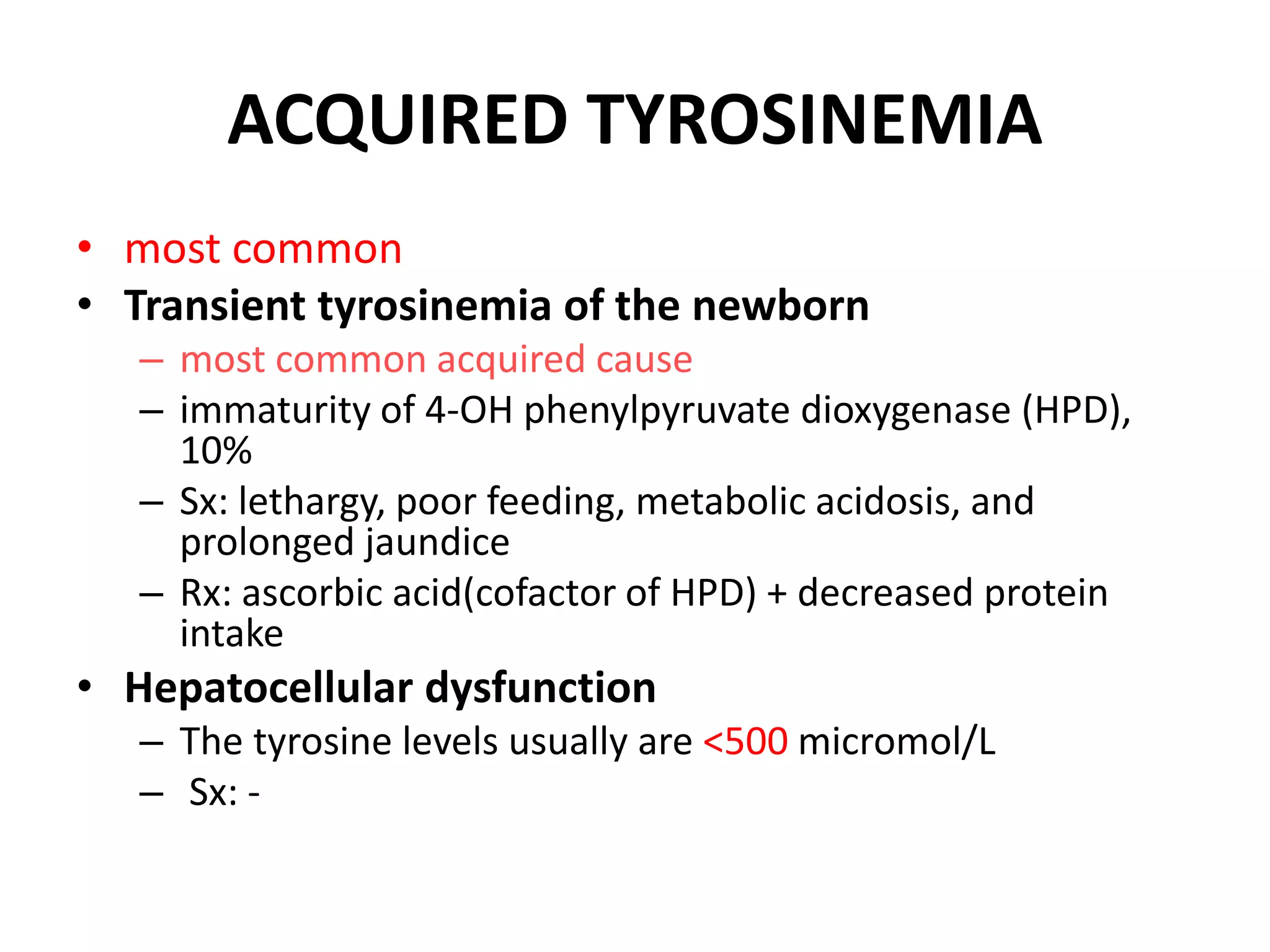
To understand why this amino acid is under scientific scrutiny, one must look at how the body manages protein metabolism. Tyrosine is synthesized from phenylalanine, another amino acid. In the human body, it is essential for the production of thyroid hormones and skin pigment. According to the U.S. National Library of Medicine, disruptions in tyrosine metabolism are most commonly associated with rare genetic disorders like tyrosinemia, which require strict dietary management. The recent research suggests that even within populations not suffering from such conditions, metabolic variance in amino acid processing may serve as a biomarker for broader health outcomes.
The link between high amino acid levels and longevity is not entirely new to the field of gerontology. Scientific discourse frequently touches upon the “mTOR pathway,” a protein kinase that regulates cell growth and metabolism. Research published in journals such as Nature has previously explored how restricted intake of certain amino acids can influence lifespan in animal models. The transition from these laboratory models to human longevity studies is complex, as human diets involve a diverse array of nutrients that interact in ways that are difficult to replicate in controlled environments.
The Complexity of Cognitive Supplements
Many consumers turn to tyrosine supplements in hopes of combating the effects of acute stress or sleep deprivation. The U.S. Food and Drug Administration (FDA) regulates dietary supplements differently than pharmaceutical drugs, meaning these products do not undergo the same rigorous pre-market clinical trials for long-term safety or efficacy. Because of this, the burden of evidence for “brain boosters” often relies on smaller, short-term studies that look at immediate cognitive performance rather than multi-decade health outcomes.
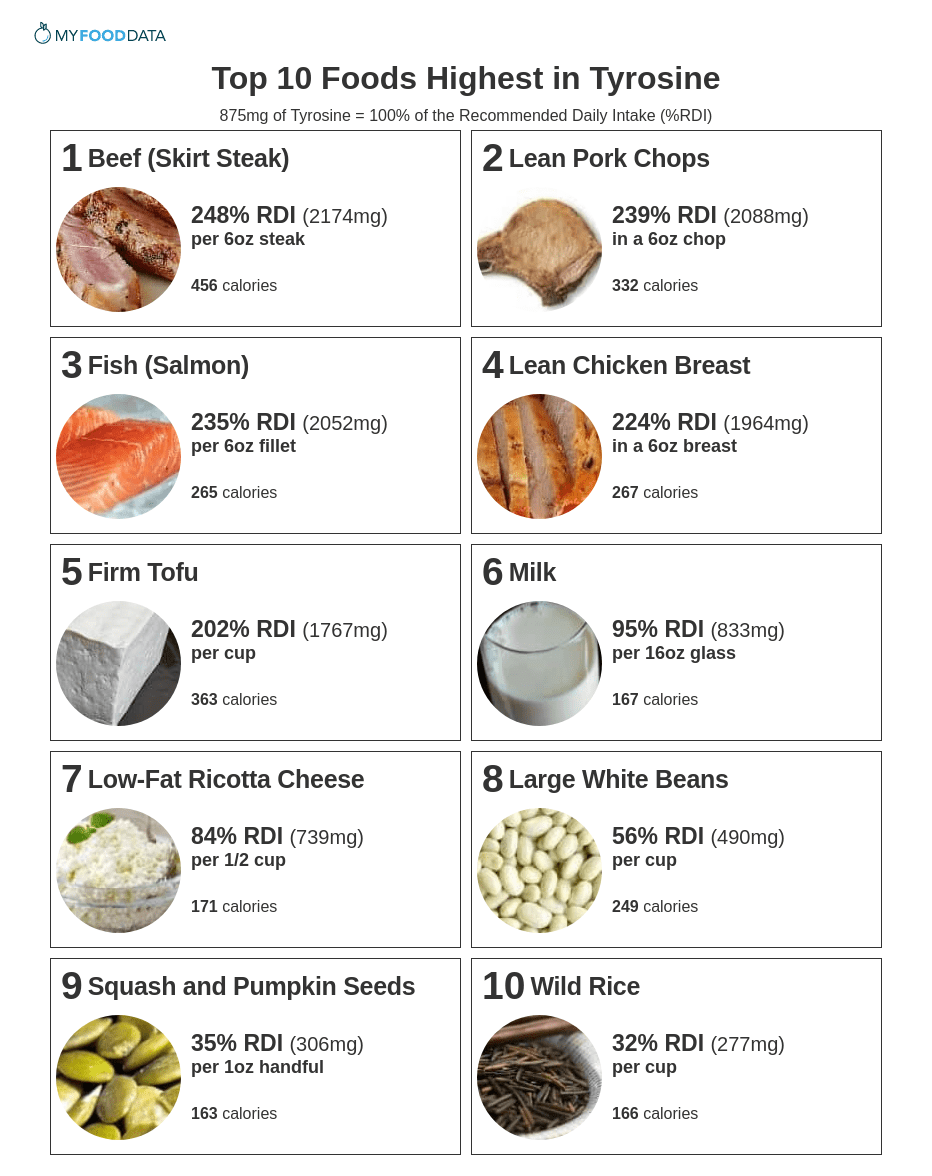
When evaluating the risk-benefit profile of any supplement, it is essential to distinguish between dietary intake and pharmacological dosing. Consuming tyrosine-rich foods—such as lean meats, dairy, eggs, and legumes—provides the body with a balanced nutritional matrix. In contrast, concentrated supplements can deliver doses significantly higher than those found in a standard Western diet. Patients currently managing thyroid conditions or those taking medications for Parkinson’s disease should be particularly cautious, as tyrosine can interact with hormone levels and dopamine-related therapies, a concern documented by the Mayo Clinic.
What This Means for Daily Health
It is important for readers to avoid drawing premature conclusions from observational data. An association between high serum tyrosine and shorter lifespans does not confirm that the amino acid itself causes mortality. It is possible that elevated tyrosine levels are a downstream effect of other underlying health conditions, such as metabolic syndrome or chronic inflammation, which are known to impact longevity. Correlation does not equal causation, and further longitudinal studies are required to determine if there is a direct biological pathway connecting tyrosine levels to shortened life expectancy.
For those interested in optimizing brain health, the current consensus among public health experts favors a holistic approach. A Mediterranean-style diet, regular physical exercise, and adequate sleep have been consistently shown to support cognitive longevity far more effectively than isolated supplementation. If you are considering adding any amino acid supplement to your regimen, it is best to consult with a primary care physician who can review your blood work and overall health history.
As the scientific community continues to study the role of metabolic biomarkers in aging, we expect further updates from major health institutions. The next phase of research will likely focus on isolating the specific mechanisms that link amino acid concentrations to long-term survival rates. We will continue to track these developments as they emerge in peer-reviewed literature. Please feel free to share your thoughts or questions in the comments section below.
Worth a look
- José Luis Perales on Oregón TV: A Night of Chaos, Absurdity, and Surreal Humor
- National Immunization Awareness Month: Why August Matters for Your Health
- Why Your Microwave Can Take Down the Wi-Fi (daybreakwire.com)
- Hormone Therapy for Menopause Reevaluated After 25 Years What New Data Shows (world-today-news.com)