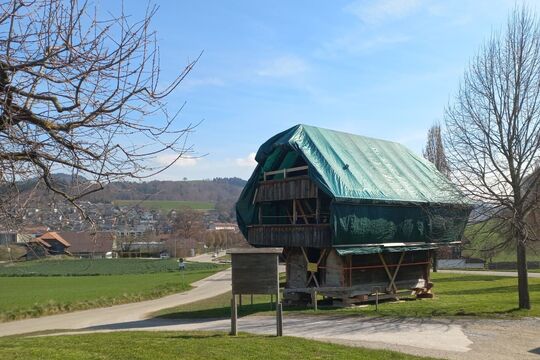
In the quiet, historic municipality of Worb, Switzerland, a significant piece of local heritage is undergoing a transformation that bridges the gap between the past and the present. The Aebersold-Spycher, a traditional grain storehouse dating back approximately 250 years, is being repurposed into a vibrant, publicly accessible community space. This initiative, spearheaded by the local youth services department, aims to preserve the architectural integrity of the structure while fostering a new era of communal interaction.
For residents and historians alike, the Municipality of Worb represents a unique blend of heritage conservation and modern social planning. The decision to open the Aebersold-Spycher—historically a vital agricultural asset—reflects a growing trend in Swiss urban planning: the adaptive reuse of historic buildings to serve contemporary social needs. By involving the local population in the planning process, authorities are ensuring that the space remains relevant to the current demographic while honoring its centuries-old legacy.
Preserving History Through Community Engagement
The Aebersold-Spycher is more than just a wooden structure; it is a tangible connection to the agricultural roots of the Bernese region. These traditional “Spycher” buildings were originally designed to protect grain from rodents and moisture, serving as the backbone of rural food security in centuries past. Today, the project led by the Jugendarbeit Worb (Youth Work Worb) seeks to transform this historic site into a hub for younger generations and community groups.
The initiative emphasizes that the future of this structure is not a top-down decision but a collaborative effort. By inviting the public to contribute their ideas, the project organizers are attempting to create a sustainable model for the site’s operation. This process of participatory governance is essential for ensuring that the space serves as a functional “Begegnungsort”—a meeting place—rather than merely a decorative relic. The integration of youth input is particularly noteworthy, as it provides a platform for the next generation to engage with local history directly.
The Evolution of Public Spaces in Switzerland
The transformation of the Aebersold-Spycher aligns with broader efforts across Switzerland to revitalize underutilized historic buildings. According to guidelines from the Federal Office of Culture, the preservation of cultural heritage is most effective when it is combined with modern social utility. This strategy not only maintains the aesthetic character of Swiss villages but also reduces the environmental footprint associated with new construction projects.
Worb, situated in the canton of Bern, has long been recognized for its commitment to balancing development with landscape protection. The project is expected to provide a flexible venue for workshops, cultural events, and informal gatherings. While the interior renovations must adhere to strict heritage protection standards, the focus remains on creating an inviting atmosphere that encourages social cohesion. The success of this project could serve as a case study for other municipalities looking to leverage their historical assets for social development.
Key Takeaways: A New Chapter for the Aebersold-Spycher
- Heritage Conservation: The 250-year-old structure is being preserved to maintain the architectural identity of Worb.
- Social Integration: The project is managed by local youth services, ensuring that the space is designed with the needs of the community in mind.
- Public Participation: Residents are being actively encouraged to share their vision for how the space should be utilized.
- Sustainable Development: The adaptive reuse of the building avoids the need for new, resource-intensive construction.
What Happens Next: Shaping the Future
As the project transitions from the planning phase to potential implementation, the focus now shifts to the feedback gathered from the public. The Jugendarbeit Worb is expected to synthesize these suggestions into a concrete operational plan. For those interested in the ongoing status of the renovation and future public access dates, the most reliable information can be found through the official municipal website, which serves as the primary portal for local announcements and planning updates.
The next major milestone will involve the finalization of the interior design concepts and the scheduling of inaugural events once safety and accessibility modifications are completed. As this historic site prepares to welcome its first modern visitors, the community of Worb stands as a testament to the idea that the past and the future can coexist through thoughtful, collaborative stewardship. We encourage our readers to share their thoughts on the importance of preserving local history in the comments section below.
Worth a look