
The Teatro del Libertador San Martín in Córdoba recently hosted a landmark symphonic gala, marking a significant cultural shift for the city’s iconic musical genre: the cuarteto. Known traditionally as the rhythmic, high-energy “tunga-tunga” played in dance halls, the music was reinterpreted through orchestral arrangements to celebrate the official Día del Cuarteto, which commemorates the genre’s origins in the city.
According to the Agencia Córdoba Cultura, the event featured a fusion of popular cuarteto rhythms and classical symphonic structures, performed within the historic Sala Mayor. This initiative sought to elevate the genre’s standing within the province’s heritage, integrating the working-class roots of local music into the formal setting of one of Argentina’s most prestigious theaters.
The Evolution of Cuarteto in Córdoba
Cuarteto is more than just a musical style in Córdoba; it is a fundamental pillar of the local social fabric. Originating in the 1940s with the Cuarteto Leo, the genre evolved from modest beginnings—often associated with rural and immigrant influences—into a massive commercial industry. By moving the performance to the Teatro del Libertador San Martín, organizers aimed to bridge the gap between popular dance culture and formal institutional recognition, as noted by the La Voz del Interior editorial staff.
The transition to a symphonic format required precise musical arrangements that preserved the signature syncopated beat of the piano, bass, and accordion while allowing for the tonal depth of a full orchestra. This performance serves as a testament to the genre’s artistic legitimacy, proving that the rhythmic complexities of the cuarteto can withstand and benefit from classical adaptation without losing their essential character.
The Cultural Significance of the Venue
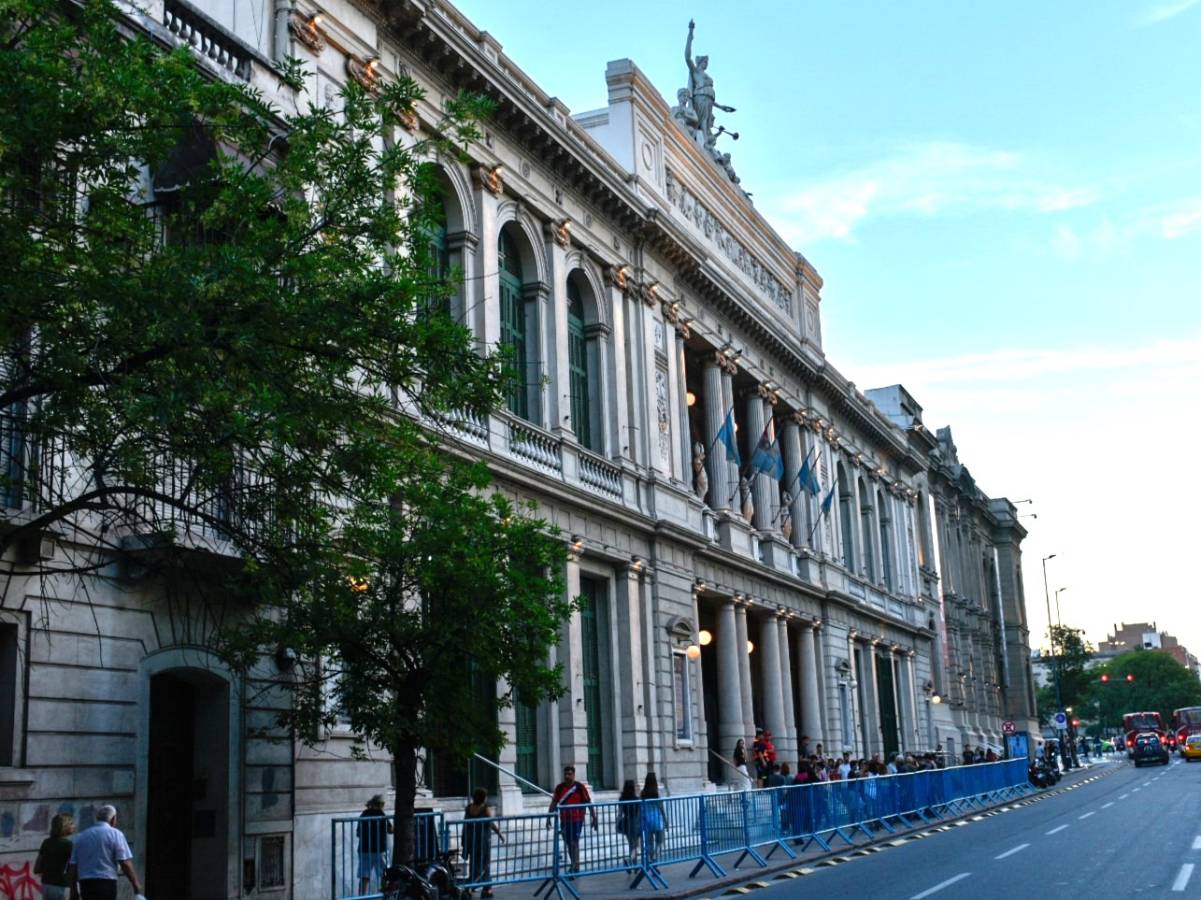
The choice of the Teatro del Libertador San Martín is central to the event’s gravity. As a National Historic Monument, the theater represents the pinnacle of high culture in the region. Hosting a genre that was, for decades, marginalized by traditional elites marks a symbolic “coming of age” for cuarteto. According to reporting from El Doce, the gala was attended by both lifelong fans of the genre and classical music enthusiasts, highlighting a rare moment of cultural convergence in the city.

The event also functioned as a form of “guided tour” through the city’s musical memory, as described by Turismo Córdoba Capital. By contextualizing the music within the history of the theater, the organizers invited the audience to view the cuarteto not merely as entertainment for the dance floor, but as a sophisticated cultural asset worthy of preservation and scholarly study.
Impact on the Local Music Industry
For the artists involved, the gala represents a professional milestone. Performing in a venue with such rigorous acoustic demands requires a level of technical precision that differs significantly from the improvised, high-volume environment of a typical “bailazo.” This shift challenges performers to refine their craft and encourages a new generation of musicians to pursue formal training alongside their pursuit of popular success.
The success of this symphonic experiment suggests that future collaborations between the popular music scene and provincial cultural institutions are likely. This integration is supported by the provincial government’s ongoing efforts to promote Córdoba as a center for musical tourism. For those interested in the ongoing preservation of this heritage, the Agencia Córdoba Cultura provides regular updates on upcoming cultural exhibitions and commemorative events related to the genre.
The integration of cuarteto into the symphonic space has opened a dialogue about how regional music can be honored in institutional settings. As the city looks toward the next calendar of events, the focus remains on maintaining the authenticity of the “tunga-tunga” while expanding its reach to new, global audiences. Readers are encouraged to share their thoughts on the evolution of this genre in the comments section below.
Keep reading