
Residents in Ho Chi Minh City have begun voluntary land clearance to facilitate the expansion of infrastructure projects, including road networks surrounding local commemorative sites. The city’s ongoing urban development initiative relies on the cooperation of local families to surrender portions of their residential property, a process that municipal authorities characterize as a significant step toward improving regional connectivity and public utility access.
According to reports from the Ho Chi Minh City Department of Planning and Architecture, the expansion of the road network is part of a broader master plan to modernize urban traffic flow. This effort involves the acquisition of land parcels along corridors that provide access to public commemorative spaces, including sites dedicated to the city’s response to the COVID-19 pandemic. The local government has emphasized that the cooperation of residents is essential to meet the project timelines and to ensure the expansion meets current safety and environmental standards established by the municipal People’s Committee.
Urban Development and Infrastructure Priorities
The urban expansion in Ho Chi Minh City is driven by the necessity to accommodate a rapidly growing population and to reduce traffic congestion in dense residential districts. As reported by the Voice of Vietnam, city officials have prioritized the widening of key arterial roads to improve emergency response times and public transit accessibility. The strategy involves not only the physical widening of roads but also the integration of green spaces and public memorial areas, which serve as focal points for urban renewal.
The process of land acquisition in Vietnam is governed by the 2024 Land Law, which outlines the rights of citizens and the obligations of the state regarding compensation and resettlement. According to the Vietnam News, the recent legislative updates aim to ensure that land valuation more closely reflects market rates, thereby encouraging voluntary participation in infrastructure projects. This legal framework requires that any land taken for public development must be accompanied by transparent compensation packages, which are calculated based on the specific location and the value of the assets surrendered by the residents.
The Role of Voluntary Land Donation
Voluntary land donation has become a visible component of municipal development in Ho Chi Minh City. By choosing to dismantle parts of their homes or surrender land, residents are effectively accelerating the construction timelines for public works. Local authorities have noted that this collaborative approach reduces the legal and administrative friction that often stalls large-scale infrastructure projects. As documented by the People’s Army Newspaper, community leaders often play a pivotal role in these projects, acting as liaisons between the government and individual households to explain the long-term benefits of the improved road networks.
The impact on affected families varies, as the scope of demolition ranges from minor boundary adjustments to significant structural removals. The city’s Department of Transport works closely with district-level committees to provide technical assistance, ensuring that the remaining portions of homes remain structurally sound and compliant with local building codes. This collaborative model is frequently cited by municipal planners as a template for future urban projects, where civic participation is considered a primary driver of success.
Addressing Public Health and Community Memory
The focus on areas surrounding COVID-19 commemorative spaces highlights the intersection of urban planning and public health memory. These sites are intended to serve as places of reflection, and the associated infrastructure improvements are designed to ensure they remain accessible to the public. According to the Vietnam News Agency, the development of these zones is part of a broader post-pandemic strategy to enhance public health infrastructure and create more resilient urban environments. By improving the transit links to these areas, the city aims to ensure that these memorials remain integrated into the daily life of the community rather than becoming isolated monuments.
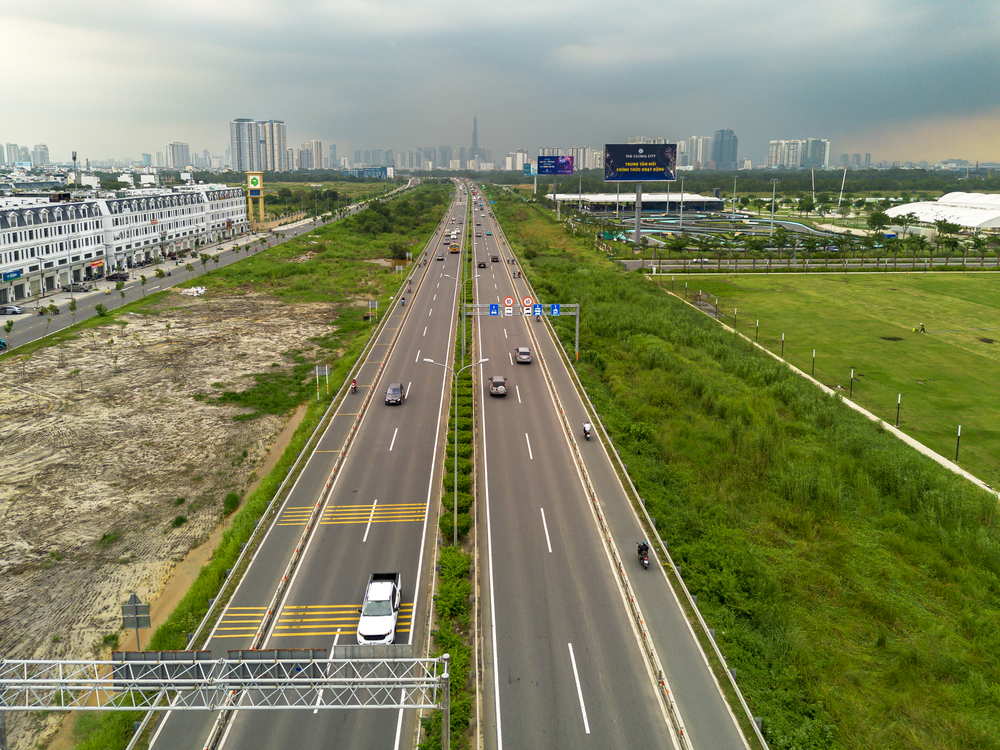
For the residents involved, the decision to vacate land is often framed as a contribution to the city’s overall recovery and modernization. While the physical changes to these neighborhoods are significant, the municipal government asserts that the long-term appreciation of property values and the improvement in local services—such as better drainage, lighting, and emergency access—serve as the primary incentives for participation. The city continues to provide updates on the progress of these road expansions through official district portals, where residents can track construction milestones and access information regarding ongoing compensation negotiations.
Looking Ahead: Project Timelines
The next phase of the road expansion project is scheduled to proceed as land clearance reaches the required benchmarks set by the Department of Transport. According to recent Ho Chi Minh City municipal announcements, the completion of the current road segments is expected to continue through the upcoming fiscal quarters. Observers suggest that the success of this infrastructure initiative will depend on the continued transparency of the compensation process and the effectiveness of the communication between city planners and the affected communities.
As the city progresses with these developments, residents and stakeholders are encouraged to monitor official government notices for information on public hearings and project updates. The ongoing transformation of these corridors marks a shift in how Ho Chi Minh City manages the balance between rapid urban expansion and the preservation of community history. Readers interested in the progress of these infrastructure projects are invited to share their perspectives or follow our subsequent reports as further data becomes available.