Arts Funding in England: A Critical Reassessment and Path Forward
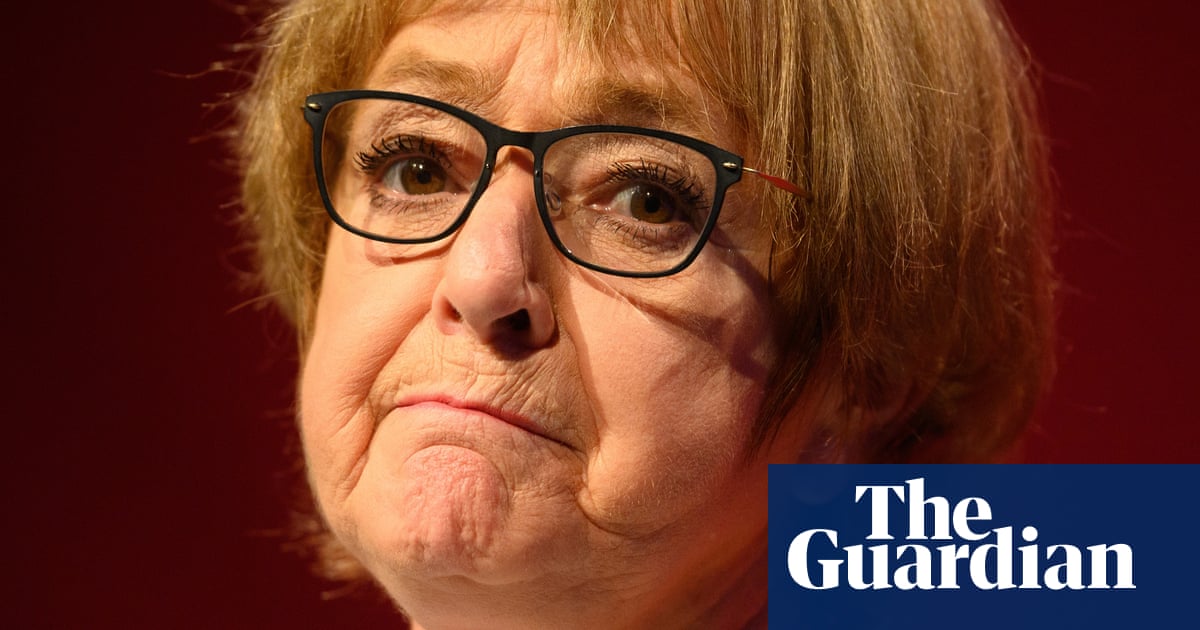
The recent report by Margaret Hodge, Labor peer and former Arts Minister, delivers a stark assessment of Arts Council England (ACE) and its funding strategies, igniting a crucial debate about the future of arts support in England. while ACE has undeniably broadened access to funding, particularly for underserved regions and grassroots organizations, its approach has been met with significant criticism, particularly from within established artistic circles. This analysis delves into the report’s key recommendations, contextualizes them within the historical landscape of arts funding, and proposes a path forward that prioritizes artistic excellence, regional empowerment, and lasting financial models.
A History of Shifting Sands: The Pendulum of Arts Funding
For decades, arts funding in England has been characterized by cyclical reforms.The Hodge report highlights a familiar pattern: a move towards centralized control, followed by a recognition of the need for regional autonomy, and then, inevitably, a return to centralized oversight. The abolition of Regional Arts Boards in 2001, intended to streamline operations, is now being reconsidered, echoing a sentiment expressed in Brian McMaster’s 2008 report, supporting Excellence in the Arts. Both reports advocate for a reduction in bureaucratic “box-ticking” and a renewed trust in the artistic judgment of organizations and individual artists.
This constant recalibration reflects a fundamental tension: the desire for national consistency versus the need to respond to the unique cultural ecosystems of diffrent regions. ACE’s recent “Let’s Create” ten-year strategy, while ambitious, has been criticized for forcing organizations to conform to pre-defined priorities, stifling innovation and potentially misallocating resources. The Hodge report rightly identifies this as a core issue, advocating for a more flexible approach that allows organizations to apply based on their inherent strengths.
The Core Concerns: Overreach,Equity,and Artistic Integrity
The criticisms leveled against ACE are multifaceted. A primary concern is the perception of overreach, particularly in traditionally established art forms like classical music and opera.Interventions perceived as dictating artistic direction have fueled accusations of undue influence and a disregard for the expertise of artists and institutions. This has understandably led to resentment from those who have experienced funding cuts or reductions.
Though, it’s crucial to acknowledge the positive impact of ACE’s efforts to redistribute funding. Organizations previously excluded from the funding cycle, particularly those outside the London-centric south-east, have benefited substantially. This shift towards greater equity is a vital step in fostering a more diverse and representative arts landscape. The challenge lies in achieving this equity without compromising artistic quality or imposing rigid,top-down mandates.
Hodge’s Recommendations: A Pragmatic Approach to Revitalization
The Hodge report offers a series of pragmatic recommendations designed to address these challenges. Key proposals include:
* Scrapping “Let’s Create”: Replacing the current ten-year strategy with a simpler, more responsive framework that prioritizes organizational strengths.
* Reviving Regional Structures: Re-establishing regional bodies – distinct from the political control of metro mayors - to strengthen local decision-making and ensure a deeper understanding of regional needs.This echoes the earlier Regional arts Boards, but with a crucial emphasis on maintaining independence.
* Rebooting Creative partnerships: reintroducing a program similar to Creative Partnerships, which successfully integrated artists into schools, fostering creativity and engagement among young people.
* Tax Incentives for Philanthropy: Expanding tax breaks for philanthropic giving, particularly outside of London, to encourage greater private sector investment in the arts.
* Extending Touring Tax Breaks: Maintaining and potentially expanding existing tax breaks for touring productions,providing a straightforward incentive for artistic creation and performance.
* Mandating Local Authority Cultural Strategies: Requiring local authorities to develop and implement cultural strategies, recognizing the critical role they play in supporting the arts at the grassroots level.
Addressing the Elephant in the Room: The Collapse of Local Authority Funding
The report astutely acknowledges the single most significant driver of funding reduction in the arts: the dramatic decline in local authority support. While the proposal for mandated cultural strategies is a positive step, it doesn’t address the underlying financial constraints faced by local councils. This remains a critical issue that requires national attention and potentially innovative funding solutions.
Maintaining Arm’s Length Independence: A Cornerstone of Artistic Freedom
Despite its criticisms, the Hodge report unequivocally reaffirms the fundamental principle of “arm’s length” independence for Arts Council England. Protecting ACE from political interference is paramount to safeguarding artistic freedom and ensuring that funding decisions are based on merit and artistic value, not political expediency.
Looking Ahead: A Path Towards Sustainable Excellence
The Hodge report is not a wholesale condemnation