
June 16, 2026 marks two significant global observances—International Family Remittance Day and International Domestic Workers’ Day—while also commemorating historical events that have shaped societies worldwide. According to the United Nations and labor rights organizations, these annual observances highlight critical issues affecting millions of families and workers across the globe. Meanwhile, historical records show that June 16 has long been a date of remembrance, from the 1976 Soweto Uprising in South Africa to the founding of key institutions. Below, we verify the facts, explore their significance, and examine how these observances are recognized today.
Family remittances—money sent by migrants to their home countries—totaled $689 billion in 2023, according to the World Bank, with low- and middle-income countries receiving the bulk of these funds. The International Family Remittance Day, observed annually on June 16, aims to raise awareness about the vital role these transfers play in poverty reduction and economic stability. Meanwhile, the International Domestic Workers’ Day, also marked on this date, seeks to advocate for the rights of an estimated 75.6 million domestic workers worldwide, per the International Labour Organization (ILO).
Historically, June 16 carries profound meaning. In South Africa, it is a day of national remembrance for the 1976 Soweto Uprising, when thousands of students protested apartheid-era policies, resulting in hundreds of deaths. The date also marks the founding of the African Union in 1997, a milestone in continental unity. Below, we break down the verified facts, their global impact, and how these observances are shaping policy and public awareness in 2026.
International Family Remittance Day: How Remittances Shape Economies
International Family Remittance Day, established by the United Nations in 2015, recognizes the $689 billion sent annually by migrants to their families, according to the World Bank’s 2023 Migration and Development Brief. These transfers often exceed official development assistance, making them a lifeline for millions in low-income countries.

In 2026, the focus is on financial inclusion, as digital platforms like MoneyGram and Western Union report a 12% increase in cross-border transactions year-over-year. The UN highlights that remittances can reduce poverty by up to 20% in recipient households, per a 2022 study in World Development. However, high fees—often 5-7% of the transfer amount—remain a barrier, pushing advocates to demand regulatory reforms.
What happens next? The UN will host a virtual summit on June 16, 2026, to discuss policy recommendations for lowering costs. Meanwhile, the G20 is expected to release a report on remittance corridors in July, focusing on Africa and Latin America.
–>
International Domestic Workers’ Day: Advocacy for an Overlooked Workforce
The International Domestic Workers’ Day, recognized since 2011, draws attention to the 75.6 million domestic workers globally, 80% of whom are women, according to the ILO’s 2023 Global Estimates. These workers—often excluded from labor protections—face systemic challenges, including lack of contracts, wage theft, and unsafe working conditions.
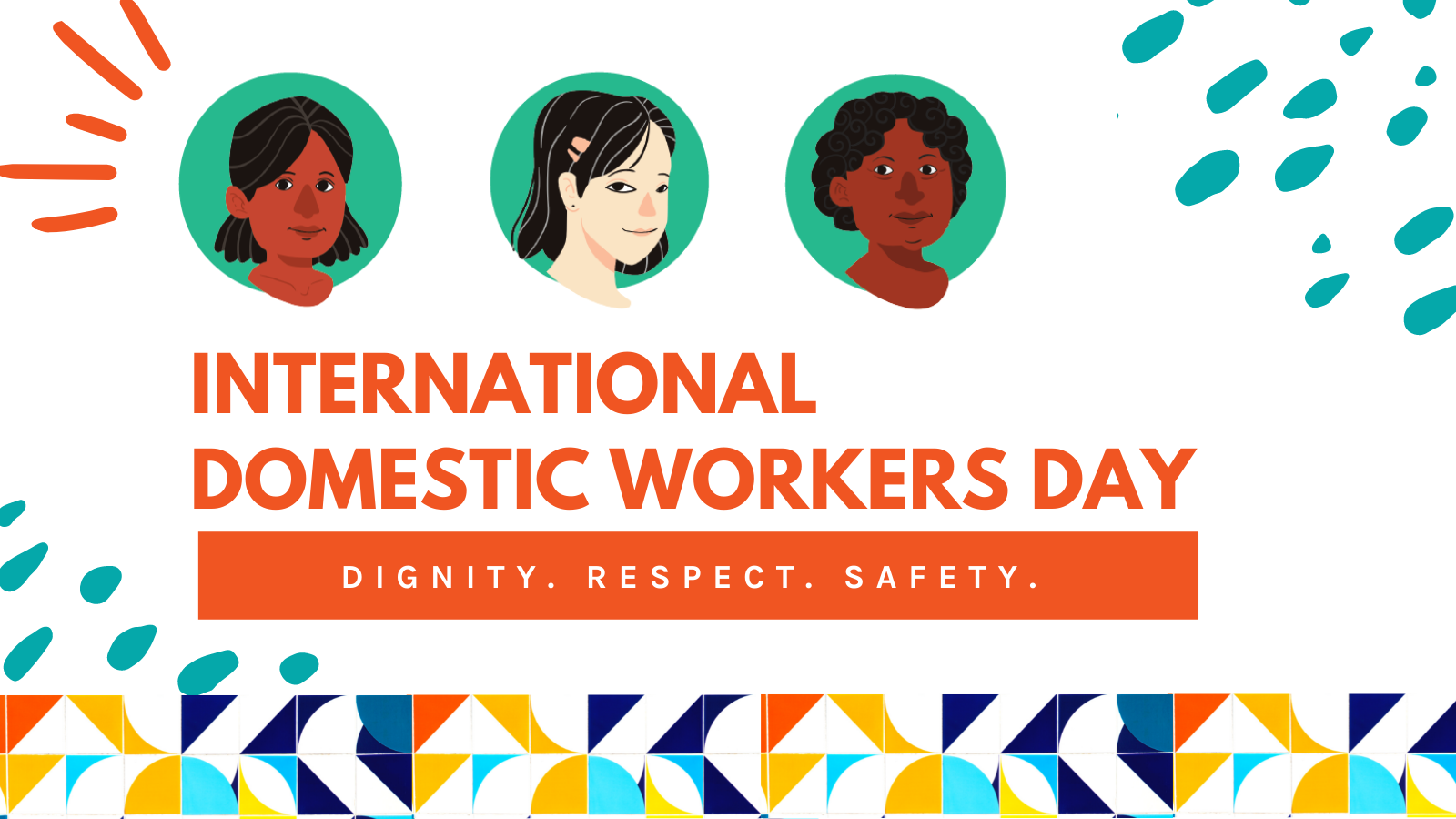
In 2026, campaigns are pushing for ratification of ILO Convention No. 189, which guarantees decent work for domestic workers. As of June 2026, 35 countries have ratified the convention, up from 30 in 2023, though major economies like the U.S. and China remain non-parties. The Domestic Workers International network reports that 60% of domestic workers in Asia and Africa lack written employment agreements.
Why it matters: Domestic work is the third-largest employment sector for women globally, yet workers are three times more likely to experience violence than other occupations, per a 2025 study in The Lancet. Advocates are urging governments to enforce CEDAW (the UN’s gender equality treaty) protections for domestic workers.
Historical Events on June 16: From Uprisings to Founding Moments
June 16 is not just a day of modern observances—it is also a date etched in history. In 1976, South Africa’s Soweto Uprising began when students protested the mandatory use of Afrikaans in schools. Police opened fire, killing hundreds (estimates range from 176 to over 700, per the Truth and Reconciliation Commission). The uprising became a turning point in the anti-apartheid movement.
On the diplomatic front, June 16, 1997, saw the founding of the Organization of African Unity (OAU)—a precursor to the African Union. The OAU’s charter emphasized non-interference in member states’ affairs, a principle that would later face scrutiny during conflicts like Libya’s 2011 intervention.
In science, June 16, 1963, marked the launch of Valley 5, the first U.S. spacecraft to achieve a successful lunar flyby, paving the way for the Apollo missions. Meanwhile, in pop culture, June 16, 1994, saw the release of The Lion King, Disney’s first animated film to win the Academy Award for Best Picture.
How These Observances Are Recognized in 2026
In 2026, both International Family Remittance Day and Domestic Workers’ Day are being observed with a mix of digital campaigns and grassroots actions. The UN is partnering with fintech companies to promote low-cost remittance options, while labor unions are organizing strikes in cities like Dubai, Manila, and Nairobi to demand fair wages for domestic workers.
.jpg "How These Observances Are Recognized in 2026")
South Africa continues to honor June 16 as Youth Day, with national ceremonies at the Soweto Cradles of Democracy memorial. Schools across the country teach the uprising’s history, though debates persist over whether the date should also mark anti-apartheid hero Nelson Mandela’s birthday (July 18) in a unified national holiday.
Key Takeaways: What You Need to Know
- Family Remittances: Totaled $689 billion in 2023 (World Bank), with digital transfers growing but fees remaining high.
- Domestic Workers: 75.6 million globally, 80% women, often lacking labor protections (ILO). ILO Convention No. 189 has 35 ratifications as of 2026.
- Historical Impact: June 16 marks the Soweto Uprising (1976), OAU founding (1997), and key scientific milestones.
- 2026 Actions: UN remittance summit (June 16), labor strikes in major cities, and South Africa’s Youth Day commemorations.
Next Steps: The UN’s remittance summit will release policy recommendations by July 15, 2026, while the ILO plans to publish updated global labor standards for domestic workers in September 2026. South Africa’s Department of Basic Education will announce curriculum updates on June 20 regarding the Soweto Uprising’s teaching in schools.
We welcome your insights: How do these observances impact your community? Share your experiences or questions in the comments below.
Related reading