The Villain Rehabilitation Trend in Hollywood: Why are We Rooting for the Bad Guys?
hollywood is experiencing a curious phenomenon: a surge in projects reimagining classic villains as misunderstood protagonists.From robotic terrors to fairytale step-sisters, the industry seems persistent to make you reconsider characters once defined by their malice. But why this shift, and is it actually resonating with audiences?
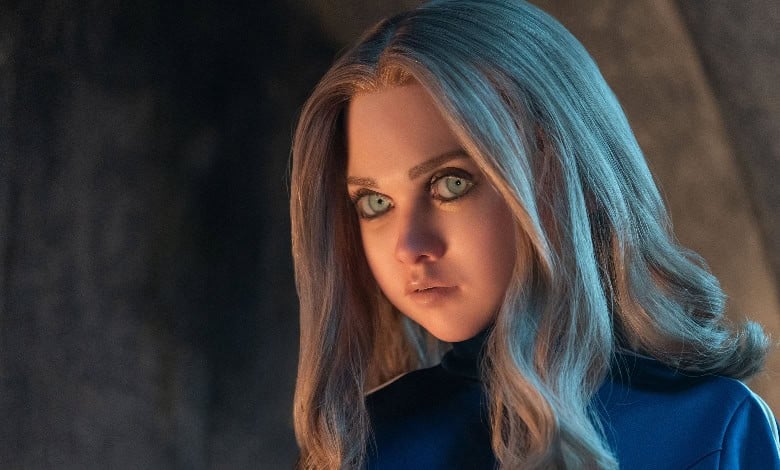
Recent history offers some clues.The 2022 horror-comedy hit, M3GAN, spawned a sequel that attempted to portray the murderous robot as a hero. Sadly, M3GAN 2.0 proved to be a critical and commercial disappointment in 2025, demonstrating that simply flipping a villain’s narrative isn’t a guaranteed success.
Despite this setback,studios continue to explore this rebranding strategy. Netflix’s upcoming animated film, Steps, offers a fresh take on Cinderella’s infamous step-sisters. The story reframes Lilith,often seen as the villain,as a misunderstood character who accidentally causes chaos and must then save the kingdom.
Similarly, Disney is developing a live-action film centered around Gaston, the antagonist from Beauty and the Beast. While details remain scarce, it’s unlikely the film will dwell on Gaston’s traditionally unpleasant qualities.Instead, expect a narrative designed to elicit empathy.
Why the Villain Turnaround?
These projects tap into several underlying trends. Brand recognition is a meaningful factor; familiar characters offer a built-in audience.However,the trend also reflects a broader cultural shift and a potential discomfort with traditional heroism.
Consider the rise of the antihero in recent years. You’ve seen it in characters like:
* Walter White (Breaking Bad)
* Tony Soprano (The Sopranos)
* The members of Suicide Squad
* Venom (Marvel Comics)
* Dexter Morgan (Dexter)
* Don Draper (mad Men)
These complex figures, flawed and frequently enough morally ambiguous, have captivated audiences. Perhaps Hollywood believes you’re simply more interested in characters with shades of gray.
The Struggle with Traditional Heroism
Interestingly, Hollywood sometimes struggles to portray straightforward heroism effectively. The journey to revive Superman on the big screen illustrates this point. Zack Snyder’s Man of Steel presented a darker, more conflicted superman, a departure from the character’s traditionally optimistic portrayal.
James Gunn’s recent Superman film, while not without its flaws, ultimately recaptured the spirit of the classic “boy scout” hero. It’s a reminder that sometimes, audiences simply want a hero to believe in.
The superhero genre, despite its occasional forays into darkness, continues to deliver largely heroic figures. Even when heroes grapple with internal conflicts (Captain America: Brave New World) or difficult choices (Thunderbolts), their core values remain intact.
The Appeal of Uncomplicated Heroism
Is it any wonder that films like Sound of Freedom and Top Gun: Maverick have resonated so strongly with audiences? These movies offer a refreshing alternative: clear-cut heroism, devoid of moral ambiguity. They deliver on the promise of a protagonist fighting for a just cause, without the need for extensive character deconstruction.
This isn’t to say villains can’t be compelling. However, simply rebranding a villain as a hero doesn’t automatically guarantee success. You need a compelling story, nuanced character development, and a genuine reason to root for their redemption. Otherwise, you risk alienating audiences who remember the villain you’re trying to rewrite.
Ultimately, the villain rehabilitation trend highlights a fascinating tension in Hollywood.While audiences appreciate complex characters, they also crave the simple satisfaction of a good, old-fashioned hero. Finding the right balance is the key to captivating audiences and ensuring these reimagined narratives truly resonate.