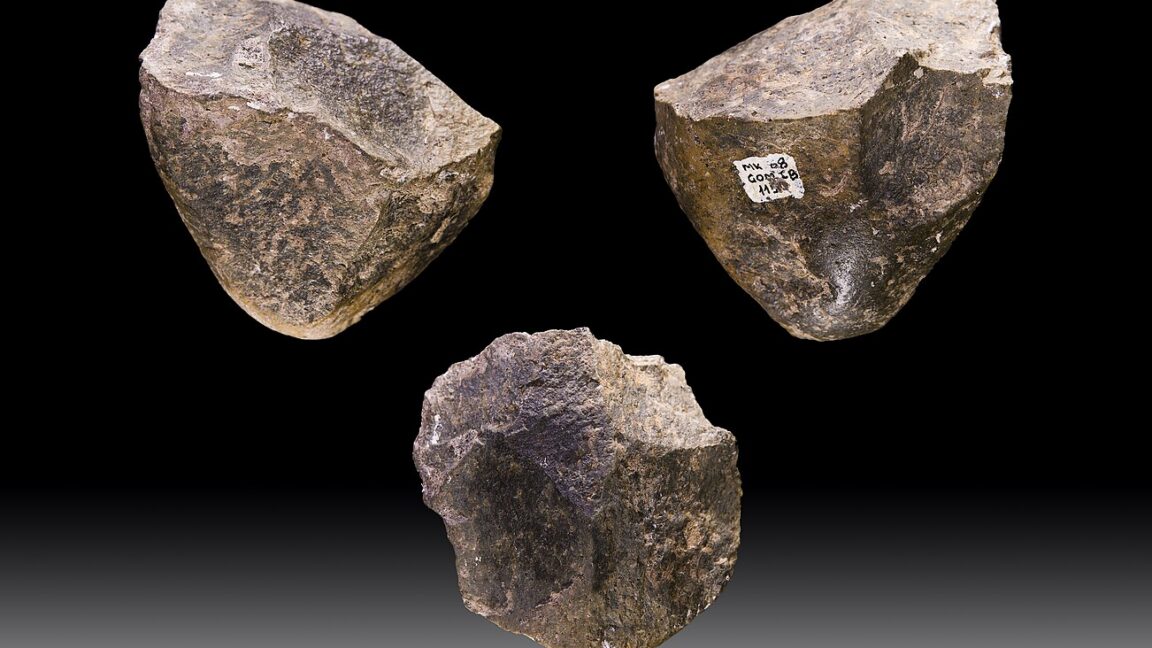
The Enduring Legacy of Stone Tools: How Early Hominins Mastered Resilience at Nomorotukunan
For millennia, the story of human innovation has been etched in stone. A recent revelation at the site of Nomorotukunan in Kenya is rewriting that story, revealing a remarkable continuity of toolmaking stretching back over 2 million years. This isn’t just about ancient tools; it’s about understanding how our ancestors navigated dramatic environmental shifts and,ultimately,survived.
“This site reveals an extraordinary story of cultural continuity,” explains Dr. Braun,highlighting the significance of the find. But what exactly does this continuity tell us about our origins and our inherent drive to adapt?
When the Environment Changed,They Adapted: The Power of Oldowan Technology
Nomorotukunan’s layers of stone tools document a pivotal period – the transition from the Pliocene to the Pleistocene epoch.This era witnessed a gradual cooling and drying of the Earth’s climate following a long warm spell. Imagine a landscape transforming from lush marshland to arid grasslands.
The evidence is clear: pollen and microscopic plant remains in the sediment reveal a shrinking lakeshore and the rise of a drier environment. But this wasn’t a period of stagnation. Rather, the archaeological record shows a consistent presence of stone tools, even as wildfires, droughts, and shifting rivers challenged the hominins who lived there.
“As vegetation shifted, the toolmaking remained steady,” notes archaeologist Rahab N. Kinyanjui. This isn’t just persistence; it’s resilience in action.
How did these tools help our ancestors survive?
* Accessing New Food Sources: As easy-to-reach food became scarce, tools allowed hominins to scavenge carcasses and dig for roots and tubers.
* Overcoming Biological Limitations: Our ancestors weren’t naturally equipped to efficiently process meat. Stone tools provided the necessary cutting edge.
* Adapting to a Changing Landscape: Tools weren’t just about food; they were about problem-solving in a dynamic environment.
While sharpened wooden sticks likely played a role, stone tools offer a lasting record of this ingenuity.As Utrecht university archaeologist Dan Rolier points out, this represents “one of our oldest habits: using technology to steady ourselves against change.”
Beyond ”Banging Rocks Together”: The Skill Behind Oldowan Tools
Nomorotukunan challenges the notion that Oldowan technology – the earliest known stone tool culture - was a rudimentary first attempt. The oldest tools unearthed at the site aren’t the clumsy products of experimentation. They demonstrate a clear understanding of flint-knapping - the art of striking stone at precise angles to create sharp flakes.
these early toolmakers weren’t simply figuring things out. They possessed:
* Material Knowledge: They knew which stones were best suited for toolmaking, favoring fine-grained chalcedony.
* Technical Skill: They understood the mechanics of fracture and could consistently produce usable flakes.
* Intentional Design: The tools weren’t random; they were crafted with a specific purpose in mind.
This suggests that Oldowan technology may be even older and more refined than previously believed. Nomorotukunan hints at a long period of refinement and cultural transmission before the earliest tools were even discovered.
Could this discovery push back the timeline of human innovation? It’s a vrey real possibility.
Evergreen Insights: The Enduring Relevance of Early Tool Use
The story of Nomorotukunan isn’t just a past curiosity. It offers profound insights into the human condition. Our capacity to innovate, adapt, and overcome challenges is deeply rooted in our past.
Consider this: the same drive that led early hominins to create stone tools fuels our modern technological advancements. Whether we’re developing new medical treatments or building lasting energy solutions, we’re still relying on the same fundamental ability to use technology to navigate a changing world.
This enduring legacy reminds us that resilience isn’t just about surviving; it’s about thriving in the face of adversity.
Frequently Asked Questions About Nomorotukunan and Oldowan Technology
1. What is Oldowan technology?
Oldowan technology refers to the earliest known stone tool culture, dating back over 2.6 million years. It’s characterized by simple flakes and choppers created through direct percussion – hitting one stone with another.
**2.