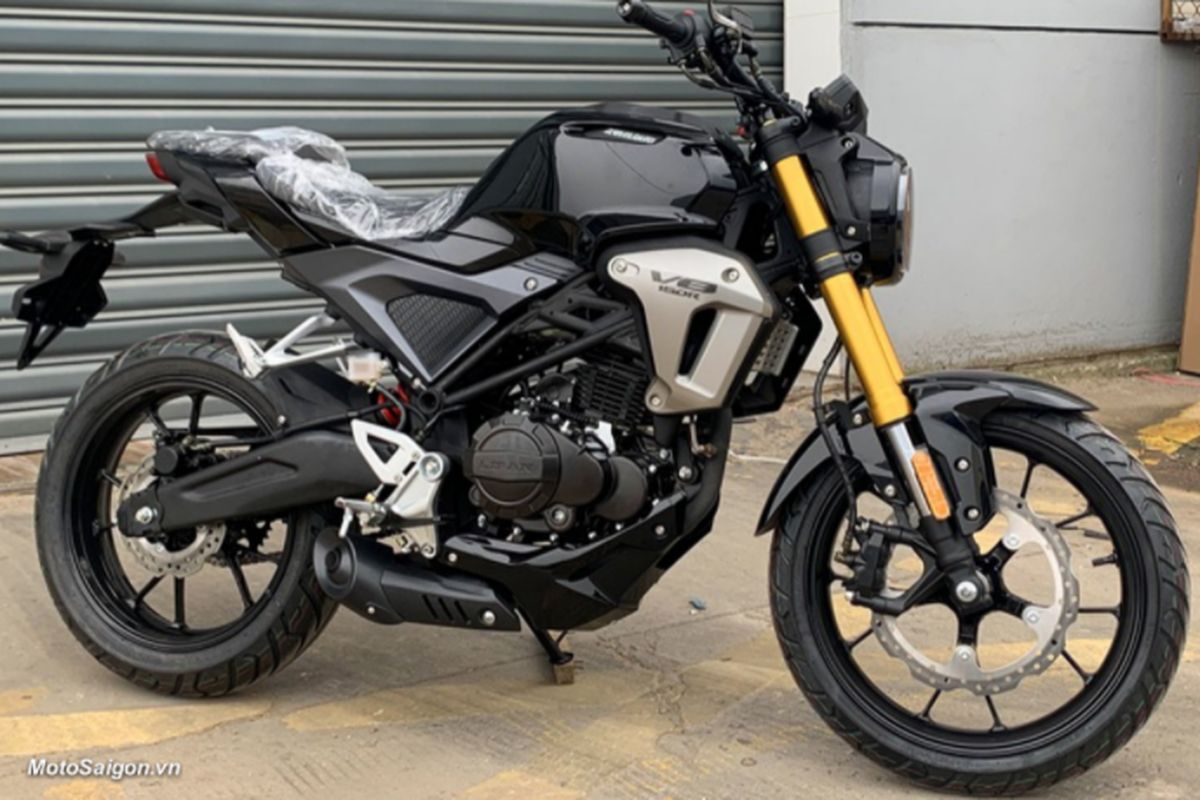
The Honda CB150R ExMotion remains a highly sought-after motorcycle in the retro-modern segment, distinguished by its minimalist aesthetic and performance-oriented engineering. While the motorcycle is primarily marketed in select Southeast Asian markets, its design philosophy—which blends vintage styling cues with modern naked-bike agility—continues to draw interest from enthusiasts globally. According to official specifications released by A.P. Honda Thailand, the bike is powered by a liquid-cooled, 149cc, four-valve DOHC engine, designed to provide a balanced power-to-weight ratio for urban environments.
The market for mid-displacement naked motorcycles has seen significant shifts as manufacturers integrate advanced electronic rider aids and refined styling. While the CB150R ExMotion maintains its position as a niche premium offering, Honda continues to evolve its broader sport-bike lineup. Recent industry reporting indicates that Honda is actively developing new technologies for its larger-displacement models, such as the Honda E-Clutch system, which aims to simplify gear changes and enhance rider comfort in high-performance street bikes like the CBR250RR.
Design Philosophy and Technical Specifications
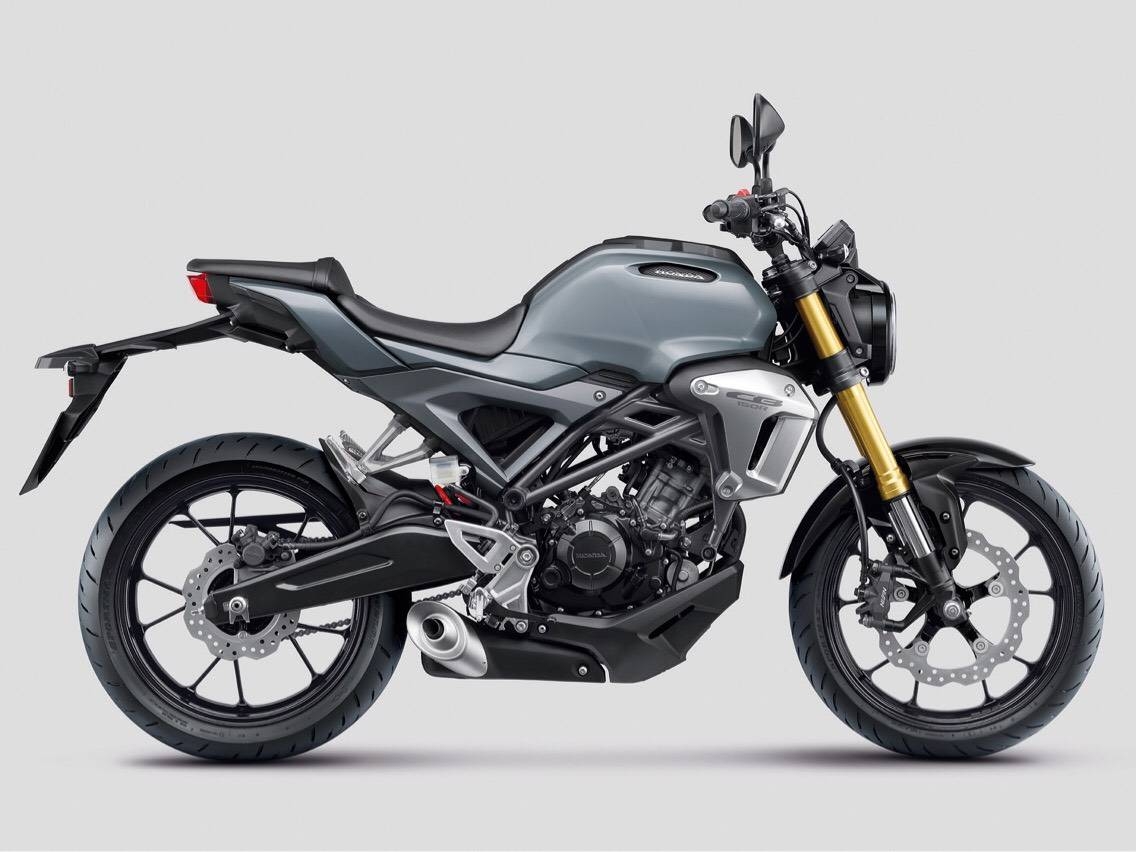
The CB150R ExMotion is built upon a “Modern Cafe” design concept. Its visual identity is defined by a circular LED headlamp, a sculpted fuel tank, and a shortened tail section, which evoke the classic aesthetics of vintage motorcycles while utilizing contemporary manufacturing techniques. Technical data from the manufacturer confirms the bike features an inverted front suspension (USD fork) with a 41mm diameter, a setup typically reserved for higher-displacement machines. This configuration is intended to provide improved handling stability and feedback during cornering maneuvers.
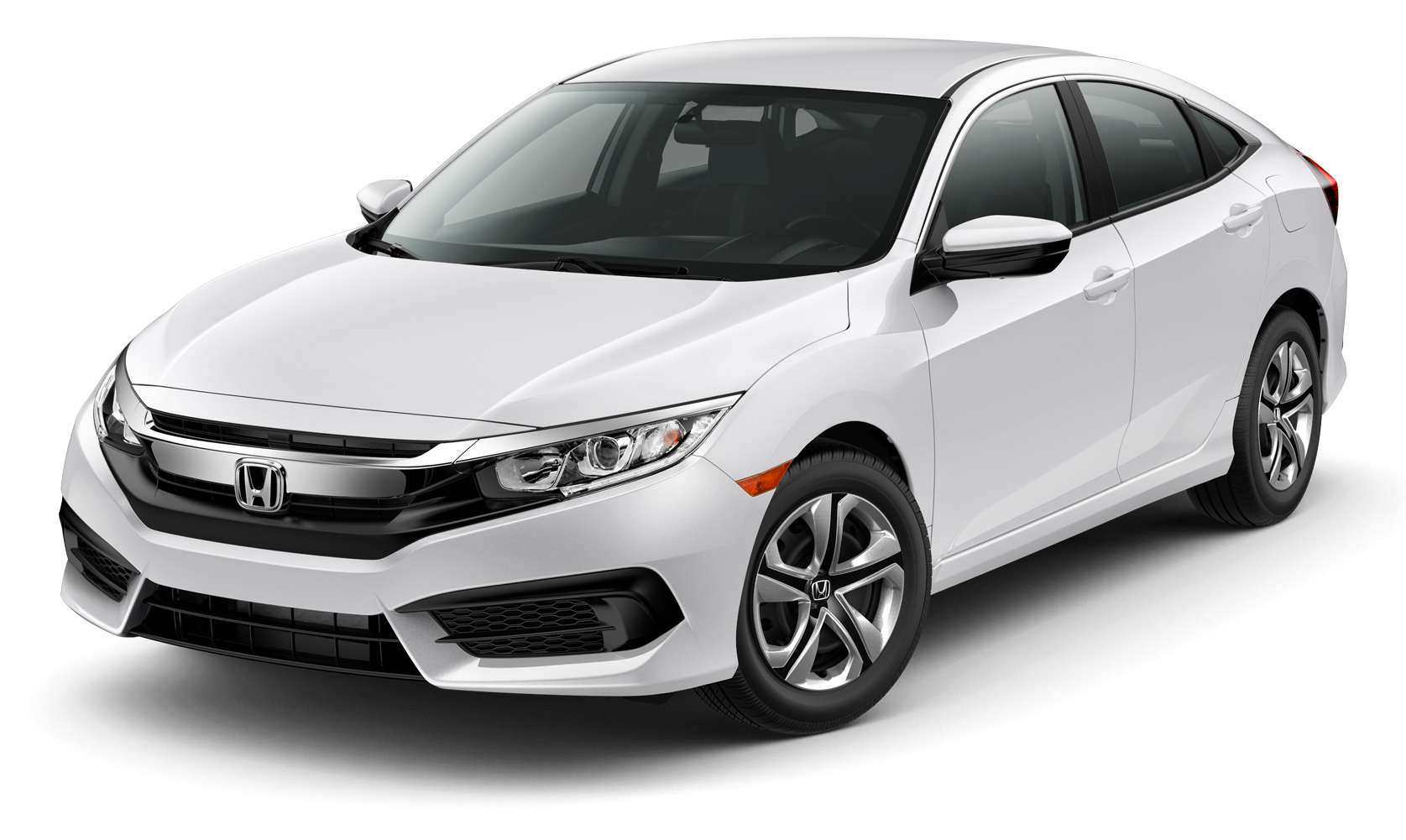
The engine produces approximately 12.0 kW (16.3 PS) of power at 9,500 rpm and 13.6 Nm of torque at 8,000 rpm, paired with a six-speed transmission. These figures are optimized for the 150cc class, focusing on responsiveness in stop-and-go traffic rather than top-end speed. The inclusion of a petal-style disc brake with an available Anti-lock Braking System (ABS) underscores the manufacturer’s focus on safety, a standard that has become increasingly critical in the competitive small-displacement segment, as noted in Honda’s official product documentation.
Market Positioning and Competitive Landscape
In the broader context of Honda’s sport-bike strategy, the CB150R ExMotion serves as a specialized entry-level performance machine, while models like the CBR250RR represent the brand’s commitment to technological advancement in the quarter-liter category. Industry analysts observe that the competition in the 250cc and 300cc segments is intensifying, with manufacturers rushing to implement features like electronic clutches and improved ride modes to differentiate their offerings from rivals such as the Yamaha YZF-R25 and the Kawasaki Ninja 250. According to corporate press releases, the E-Clutch technology is specifically designed to eliminate the need for manual clutch operation, a development that may eventually influence the design language of smaller naked bikes as well.
The scarcity of the CB150R ExMotion in certain international markets has contributed to its status as a “cult” motorcycle. Enthusiasts often highlight its premium components—such as the radially mounted front brake calipers and the lightweight aluminum swingarm—as factors that set it apart from mass-market commuters. By prioritizing build quality over pure displacement, Honda has established a distinct segment that appeals to riders who value aesthetics and handling precision over raw output.
Future Developments and Industry Trends
As the motorcycle industry moves toward 2026, the focus for manufacturers remains on balancing emission regulations with performance. While the CB150R ExMotion continues to serve as an example of successful styling in the naked category, the industry is closely watching how Honda scales its advanced rider-assist systems. Reports from automotive journalism outlets confirm that the E-Clutch system, while currently focused on larger models, represents a broader industry trend toward lowering the barrier to entry for high-performance riding. Whether these features will migrate to the 150cc platform remains a point of speculation among market observers.
For current owners and prospective buyers, updates regarding model availability and servicing are typically managed through regional distributors. Readers are encouraged to consult official Honda websites for their respective countries to confirm local specifications and availability, as global model lineups often vary significantly based on regional emissions standards and market demand. We invite our readers to share their experiences with modern naked motorcycles in the comments section below.
Keep reading