Honduras has confirmed its first locally transmitted case of measles in nearly 30 years, marking a significant shift in the country’s public health landscape. According to the Pan American Health Organization (PAHO), maintaining high vaccination coverage is critical to preventing the re-establishment of the virus, which was previously considered eliminated from the region. Health authorities are currently conducting contact tracing and heightened surveillance to contain the potential spread of the pathogen.
Context of the Measles Case
The return of locally acquired measles in Honduras ends a decades-long period of stability regarding the disease. Measles is a highly contagious viral illness that can lead to severe respiratory complications, encephalitis, and, in some cases, death. The World Health Organization (WHO) emphasizes that vaccination is the most effective tool to protect populations against outbreaks, recommending a two-dose series of the measles, mumps, and rubella (MMR) vaccine.
For nearly three decades, Honduras had successfully avoided indigenous transmission of the virus, relying on robust immunization programs and community health initiatives. The current detection of a local infection indicates a vulnerability in herd immunity, prompting officials to reassess immunization rates in affected areas. Public health experts note that when vaccination coverage drops below 95%, the risk of outbreaks increases significantly, particularly in densely populated regions.
Public Health Response and Surveillance
In response to the confirmed case, the Honduran Ministry of Health has initiated an emergency response protocol. This includes the identification of individuals who may have come into contact with the infected person and a review of vaccination records for those in the immediate vicinity. According to PAHO guidelines, the objective of such rapid response measures is to interrupt the chain of transmission before the virus can spread to unvaccinated populations.
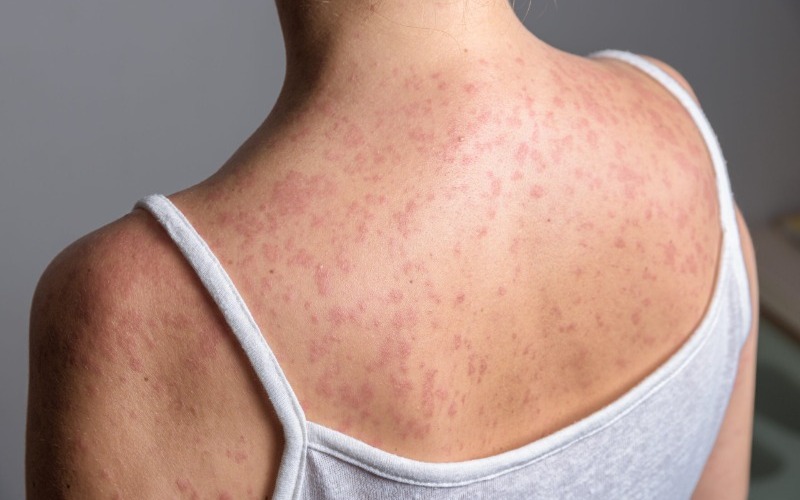
Medical facilities across the country have been instructed to heighten their surveillance for symptoms consistent with measles, such as high fever, cough, runny nose, and the characteristic red rash. Early detection remains a priority for clinicians to prevent secondary infections. The government is expected to release further data regarding the age and vaccination history of the patient, as well as specific geographic details, as epidemiological investigations progress.
Why Vaccination Coverage Matters
The re-emergence of measles in Honduras highlights the global challenge of maintaining high immunization standards, especially in the wake of disruptions caused by recent public health crises. The U.S. Centers for Disease Control and Prevention (CDC) notes that measles remains a global threat because the virus is so easily transmitted through the air when an infected person coughs or sneezes. Even one case in a non-endemic area is treated with extreme urgency by health ministries to prevent a wider outbreak.
For the general public, this development serves as a reminder to verify personal vaccination statuses. Health departments generally recommend that adults who are unsure of their immunization history consult with their primary care physician to determine if a booster dose is necessary. In the coming weeks, the Ministry of Health is expected to coordinate with local community leaders to facilitate catch-up vaccination drives in areas identified as high-risk.
Next Steps for Health Authorities
The next phase of the response will involve a comprehensive analysis of the local vaccination data to identify potential gaps in coverage. The Ministry of Health is scheduled to provide an update on the containment efforts, including any new suspected cases or results from ongoing testing, during their next public briefing. Readers are encouraged to follow official updates from the Honduran Ministry of Health and the PAHO regional office for verified information on how to access vaccination services and report potential symptoms.
We invite our readers to share their thoughts or experiences regarding public health access in the comments section below. Accurate information is the first line of defense against infectious disease.
Worth a look