
China Prepares for Shenzhou-23 Launch as Hong Kong’s First Astronaut Joins Historic Mission
China is poised to reach a new milestone in its burgeoning space program this weekend, with the upcoming Shenzhou-23 mission set to carry the first-ever astronaut from the Hong Kong Special Administrative Region into orbit. The mission, which underscores Beijing’s intensifying commitment to long-term space habitation, is scheduled to depart from the Jiuquan Satellite Launch Center in northwestern China on Sunday.
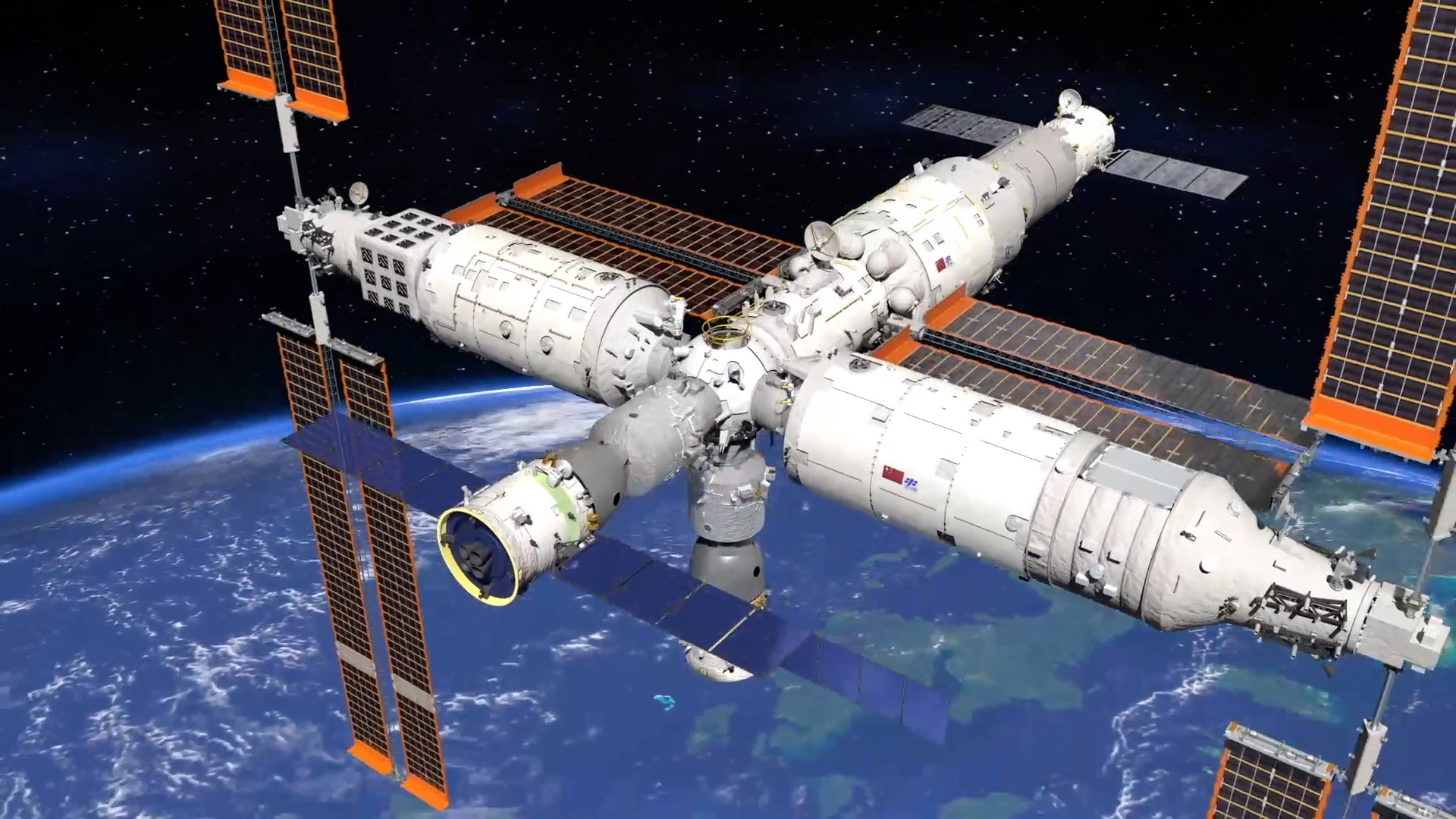
The mission represents a significant moment for China’s space ambitions, as the nation continues to advance its capabilities in human spaceflight and orbital research. Beyond the historic inclusion of a Hong Kong representative, the Shenzhou-23 flight is designed to test the limits of sustained human presence in space, including a planned one-year residency experiment that could reshape the operational parameters of the Tiangong space station.
A Historic Milestone for Hong Kong
The selection of Lai Ka-ying as a payload specialist marks a transformative moment for the Hong Kong Special Administrative Region’s involvement in national strategic projects. A former member of the Hong Kong Police Force, Lai is a police superintendent who also holds a doctorate in computer science, bringing a highly specialized academic and professional background to the mission.
As part of the 4th batch of Chinese astronauts, Lai’s appointment has been framed as a breakthrough for the city. Her role as a payload specialist will see her contributing to the complex scientific and technical operations aboard the Tiangong station, facilitating the integration of diverse expertise into China’s national space infrastructure.
Mission Profile: Crew, Objectives, and the Tiangong Station
According to Zhang Jingbo, a spokesman for the China Manned Space Agency (CMSA), the Shenzhou-23 crew will consist of three members tasked with maintaining and expanding the scientific output of the Tiangong space station. The crew includes mission commander Zhu Yangzhu, a flight engineer who previously participated in the Shenzhou-16 mission in 2023, and spacecraft pilot Zhang Zhiyuan, a former air force pilot.
The mission is scheduled to blast off at 11:08 pm (1508 GMT) on Sunday. Once in orbit, the crew will focus on several critical objectives, including:
- Space science and application work: Continuing the research agenda established by previous Tiangong crews.
- Extravehicular activities (EVA): Conducting essential spacewalks to maintain station integrity and perform external tasks.
- Cargo transfer: Managing the movement of supplies and equipment in and out of the station cabin.
A defining feature of this mission is the emphasis on extended duration. The CMSA confirmed that one member of the three-person crew is scheduled to undertake a one-year in-orbit residency experiment. While the agency has not specified which crew member will undergo the extended stay, the move is seen as a critical step in transitioning from short-term orbital visits to the sustained occupation of space.
Richard de Grijs, a professor of physics and astronomy at Macquarie University, noted that a year-long mission introduces a different operational regime for both hardware and human physiology compared to the shorter missions that characterized earlier phases of the program. This shift is essential for building the operational experience required for more ambitious deep-space endeavors.
The Road to the Moon: China’s Long-Term Space Strategy
The Shenzhou-23 mission is a single component of a much larger strategic vision often referred to as China’s “space dream.” Under the leadership of President Xi Jinping, Beijing has significantly ramped up investment in its space program, aiming to rival the capabilities of the United States and Russia. The Tiangong space station serves as the centerpiece of this strategy, acting as a permanent orbital laboratory and a staging ground for future exploration.
The long-term roadmap for the CMSA includes several high-stakes objectives:
- Lunar Missions: Beijing has stated its intention to launch a crewed mission to the Moon by 2030.
- Lunar Base Construction: The ultimate goal includes the establishment of a permanent base on the lunar surface.
- Deep-Space Ambitions: Utilizing the experience gained from Tiangong to eventually reach further into the solar system.
By testing long-term human residency through missions like Shenzhou-23, China is systematically addressing the logistical and biological challenges of sustained spaceflight, moving closer to its goal of becoming a dominant power in the burgeoning space economy.
Key Mission Specifications
| Detail | Information |
|---|---|
| Mission Name | Shenzhou-23 |
| Launch Location | Jiuquan Satellite Launch Center, China |
| Scheduled Launch | Sunday, 11:08 pm (1508 GMT) |
| Crew Members | Zhu Yangzhu (Commander), Lai Ka-ying (Payload Specialist), Zhang Zhiyuan (Pilot) |
| Primary Goal | Sustained orbital research and 1-year residency experiment |
As the launch window approaches, the international community will be watching closely to see how this mission advances China’s capabilities in extravehicular activity and long-duration space habitation. The success of Shenzhou-23 will provide vital data as the agency strives to meet its 2030 lunar landing targets.
The next major update is expected following the successful deployment of the Shenzhou-23 crew to the Tiangong space station.
Stay informed on the latest developments in global space exploration and economic policy. Share your thoughts on China’s growing space capabilities in the comments below.
Keep reading