
Hong Kong health authorities are urging residents to prioritize travel health precautions ahead of the upcoming summer holiday season, specifically warning against the risks of measles, dengue fever, and Ebola. According to the Centre for Health Protection (CHP) of the Department of Health, international travelers should remain vigilant regarding endemic diseases and ensure their vaccination status is up to date before departing for high-risk regions.
As a physician, I have observed that summer travel often increases the intersection of global populations and regional disease vectors, making proactive medical preparation essential for international travelers. Public health officials emphasize that while these diseases vary significantly in transmission routes—ranging from mosquito-borne viruses like dengue to highly infectious respiratory pathogens like measles—the common denominator remains the need for personal protective measures and environmental awareness.
Understanding Travel-Related Infectious Disease Risks
The risk profile for travelers varies significantly depending on the destination, with the World Health Organization (WHO) maintaining ongoing surveillance for outbreaks globally. Measles remains a significant global concern; despite the availability of a highly effective vaccine, periodic outbreaks continue to occur due to gaps in immunization coverage. According to the World Health Organization, measles is a highly contagious virus that can lead to severe complications, particularly in unvaccinated children and immunocompromised individuals.
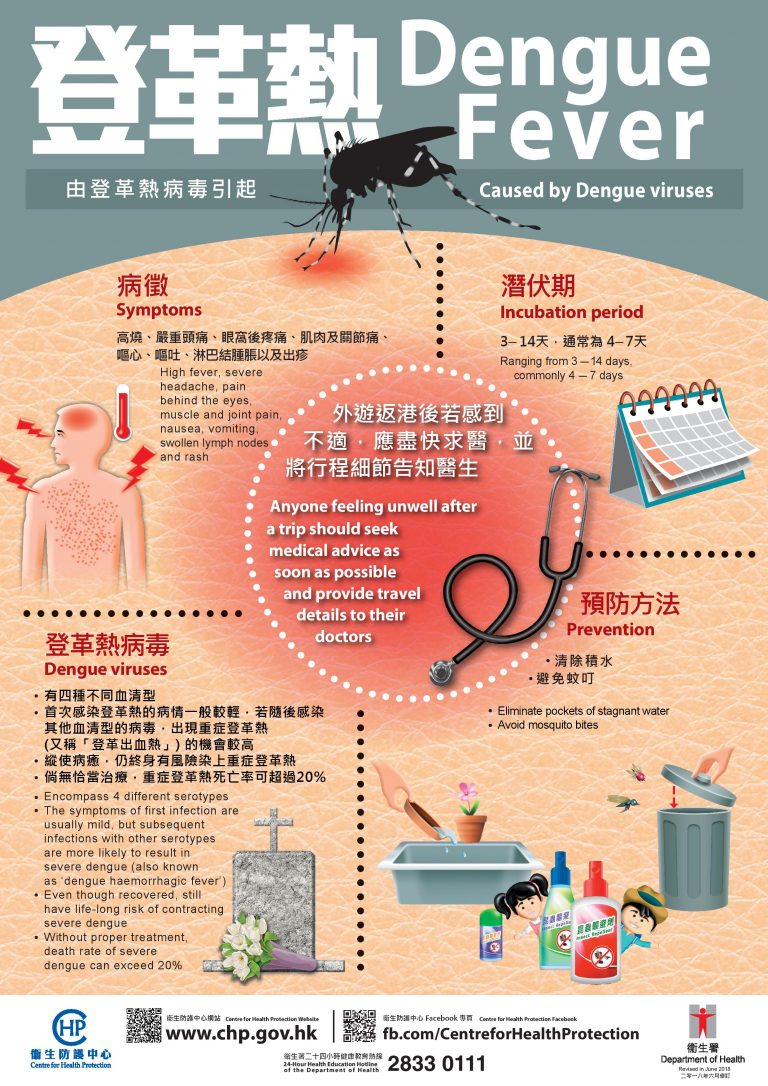
Dengue fever, conversely, is primarily transmitted through the bite of infected Aedes mosquitoes. The Centers for Disease Control and Prevention (CDC) notes that dengue is prevalent in tropical and subtropical climates worldwide. Travelers visiting regions with established dengue transmission are advised to use insect repellent containing DEET, wear long-sleeved clothing, and choose accommodations with window screens or air conditioning to reduce the risk of mosquito bites.
While the risk of Ebola for the average summer tourist remains exceptionally low, it serves as a reminder of the importance of avoiding contact with blood or bodily fluids in areas where the virus may be present. The World Health Organization maintains that Ebola virus disease is a severe, often fatal illness, and public health guidance consistently stresses avoiding contact with wild animals or consuming “bushmeat” in regions where the virus is endemic.
Recommended Precautions for International Travelers
Before planning any international trip, travelers should consult with a medical professional regarding their specific health needs. The CHP recommends that individuals verify their vaccination history, particularly for measles, mumps, and rubella (MMR). Ensuring that one has received the recommended two doses of the measles vaccine is the most effective way to prevent infection and transmission.
Beyond vaccinations, maintaining rigorous personal hygiene is a universal defense against many infectious diseases. This includes frequent handwashing with soap and water or using alcohol-based hand sanitizer, especially after touching surfaces in public spaces like airports or train stations. For those traveling to regions with known outbreaks, the following practices are standard medical advice:
- Mosquito Protection: Use EPA-registered insect repellents and wear clothing treated with permethrin if visiting high-risk areas for vector-borne diseases.
- Food and Water Safety: Consume only boiled or treated water and ensure food is cooked thoroughly, particularly in areas where waterborne illnesses are common.
- Medical Consultation: Seek advice from a travel medicine clinic at least four to six weeks before departure to allow sufficient time for vaccine-induced immunity to develop.
Monitoring Symptoms and Seeking Medical Care
Early detection is critical in managing infectious diseases. Travelers returning from abroad who develop symptoms such as high fever, rash, joint pain, or persistent cough should seek medical attention promptly. It is essential to inform the healthcare provider of recent travel history, as this information is vital for an accurate differential diagnosis. The Centre for Health Protection underscores that rapid reporting and diagnosis not only improve individual patient outcomes but also facilitate public health efforts to prevent local transmission.
As we approach the peak summer travel period, I advise all travelers to monitor official updates from the CHP or their local health authority. These agencies provide real-time travel health notices that identify specific countries or regions currently experiencing disease outbreaks. By staying informed and taking evidence-based precautions, residents can enjoy their vacations while significantly reducing the risk of contracting or spreading preventable infectious diseases.
For the latest travel health advisories and disease updates, residents are encouraged to visit the official Centre for Health Protection website regularly. Please feel free to share your experiences or questions regarding travel health in the comments section below.
Keep reading
- Pregnant and Detained: Laura Rojas Held in ICE Custody in Dilley, Texas
- Zocdoc Partners with Google Gemini to Enable AI-Powered Health Appointment Scheduling
- FDA Approves Groundbreaking mRNA Vaccine Booster for Adults 50+, Boosting Immunity and Protecting Against Chronic Health Risks (archyworldys.com)
- The Future of Health Insurance Coverage and Healthcare Standards (world-today-news.com)