
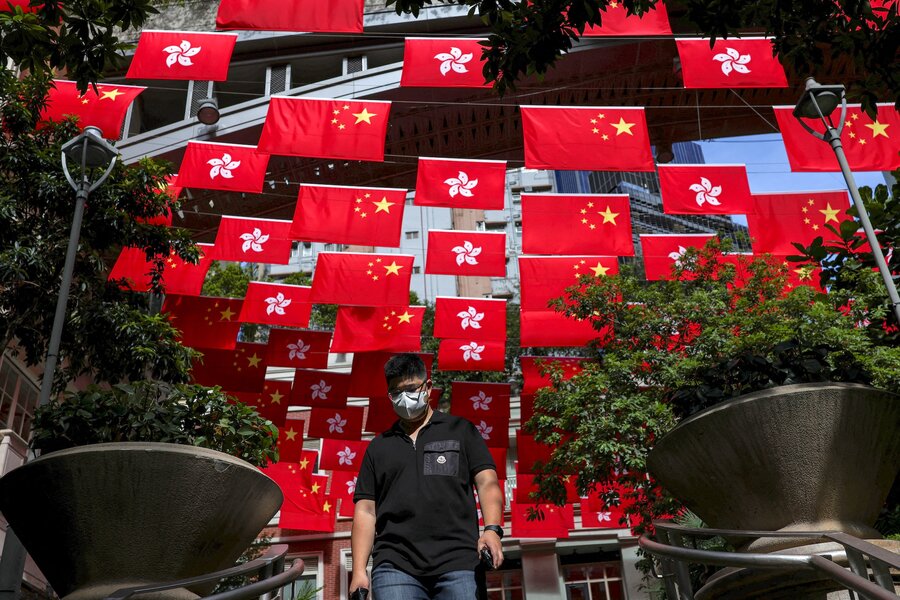
Hong Kong is currently navigating a significant shift in its social and political environment, as Beijing intensifies security measures while simultaneously attempting to bolster the city’s international image as a stable global financial hub. This tension reflects broader challenges regarding trust between the central government and segments of the population, both within the territory and among the diaspora, according to recent policy analysis and reports from international observers.
The tightening of control has been punctuated by the implementation of the Safeguarding National Security Ordinance, commonly known as Article 23, which took effect in March 2024. This legislation, which expands upon the 2020 National Security Law, introduces new offenses related to treason, insurrection, and foreign interference, as reported by Reuters. Authorities in Hong Kong and Beijing maintain that these laws are essential for maintaining long-term stability and economic prosperity, citing the need to prevent a recurrence of the widespread civil unrest seen in 2019.
The Impact of Legislative Changes on Public Discourse
The introduction of new security mandates has fundamentally altered the landscape for civil society and public expression in Hong Kong. Since the passage of the 2020 National Security Law, dozens of prominent activists, journalists, and former lawmakers have been arrested or have relocated abroad. The United Nations Human Rights Office expressed concern regarding the potential for these laws to further restrict freedom of expression and peaceful assembly, noting that the broad definitions within the legislation could lead to legal uncertainty for residents and international businesses alike.

Despite these changes, informal networks are evolving. Individuals both inside and outside the territory are increasingly utilizing encrypted messaging platforms and decentralized digital forums to share information and maintain community ties. This shift reflects a move away from traditional, public-facing advocacy toward more discreet methods of communication as the legal environment remains stringent. Analysts observe that while the formal political opposition has been largely dismantled, the underlying sentiment regarding the city’s autonomy remains a point of contention for many residents.
Beijing’s Strategy to Restore Investor Confidence
While security remains a priority, the Chinese government is actively working to counteract perceptions that Hong Kong is losing its status as a premier international business center. The Hong Kong government has recently launched several initiatives, including the “Hello Hong Kong” campaign and various tax incentives, designed to attract foreign capital and talent back to the city. According to data from the Hong Kong government’s InvestHK agency, the city continues to host thousands of regional headquarters for multinational corporations, though the composition of these firms has shifted toward more mainland Chinese entities.

The challenge for policymakers lies in bridging the gap between the rigid security apparatus and the flexibility required for a global financial center. International chambers of commerce have periodically raised questions regarding the impact of the national security environment on the rule of law, which has historically been the bedrock of Hong Kong’s economic success. The Hong Kong government consistently argues that the rule of law remains robust and that the legal environment is comparable to other major international jurisdictions.
Connecting Across Borders: The Role of the Diaspora
The emergence of a significant Hong Kong diaspora in countries such as the United Kingdom, Canada, and Australia has created a new dimension in the relationship between the territory and the mainland. These communities, many of whom left following the 2019 protests, remain deeply engaged with developments in their home city. Through academic research, cultural events, and digital media, the diaspora attempts to preserve Hong Kong’s unique linguistic and cultural identity, which they argue is being diluted by integration policies.

This connectivity is not without friction. Beijing has frequently criticized the activities of exiled activists, labeling them as threats to national security. The Ministry of Foreign Affairs of the People’s Republic of China has issued multiple statements urging foreign governments to stop providing a platform for individuals they term as “anti-China elements.” This ongoing diplomatic tension underscores the difficulty of managing internal and external dissent in an era of globalized information.
Next Steps and Future Outlook
The next major checkpoint for assessing the impact of these policies will involve the ongoing trials of prominent pro-democracy figures under the national security statutes. Legal observers are closely monitoring the judicial process to determine how the courts interpret the scope of the new security laws. Furthermore, the upcoming annual policy address from the Chief Executive of Hong Kong is expected to outline further economic integration plans with the Greater Bay Area, signaling continued alignment with Beijing’s long-term development strategy.

As the situation continues to evolve, the ability of both the Hong Kong administration and Beijing to foster genuine trust among a skeptical public will remain a primary indicator of the city’s future stability. Readers are encouraged to monitor official statements from the Hong Kong Information Services Department for the most recent updates on legislative developments and policy implementation. Feel free to share your thoughts or perspectives on these developments in the comments section below.