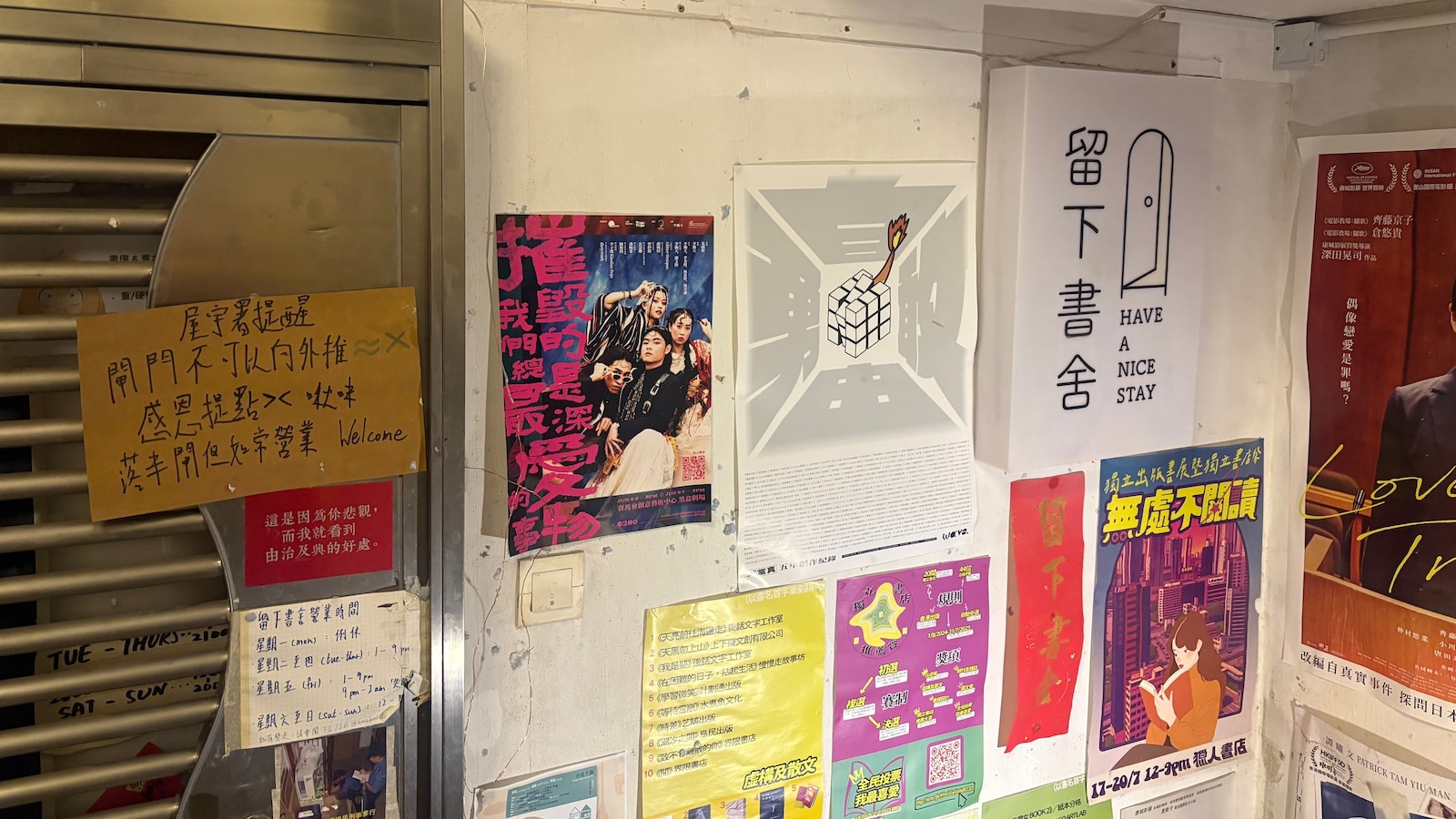
Hong Kong’s Secretary for Security, Chris Tang, has publicly advised local booksellers and publishers to exercise caution, warning that the distribution of materials deemed to endanger national security could result in legal consequences. The remarks, made during a recent media briefing, underscore the government’s ongoing focus on the implementation of the Law of the People’s Republic of China on Safeguarding National Security in the Hong Kong Special Administrative Region (NSL), which took effect on June 30, 2020.
Tang’s comments arrive as the city continues to navigate a shifting regulatory landscape regarding public discourse and the sale of printed materials. According to official government records, the National Security Law grants authorities broad powers to investigate and prosecute activities viewed as secessionist, subversive, terrorist, or involving collusion with foreign forces. For stakeholders in the publishing industry, the guidance emphasizes a proactive approach to ensure that their inventories comply with these legal standards.
Regulatory Oversight and the Publishing Industry
The security chief’s directive follows a series of high-profile arrests and investigations involving individuals associated with the production and distribution of books considered sensitive by authorities. Under the current legal framework, the Hong Kong Police Force’s National Security Department is tasked with enforcing the law, which carries penalties ranging from fixed-term imprisonment to life sentences for the most severe offenses, as outlined in the official National Security Law portal.
Booksellers are now facing a period of heightened scrutiny. Industry observers note that many retailers have begun to review their collections more rigorously to mitigate the risk of accidental non-compliance. While the government has not issued a comprehensive list of banned titles, Tang’s public statements serve as a clear signal that the burden of interpretation rests with the business owners. This development follows broader trends in the city’s media environment, where several local news outlets and organizations have ceased operations since the law’s enactment.
Legal Implications and Compliance
The legal environment in Hong Kong has seen significant transformation over the past four years. In March 2024, the city’s legislature unanimously passed the Safeguarding National Security Ordinance, known locally as Article 23, which expands upon the existing 2020 national security framework. As reported by the Legislative Council of the Hong Kong Special Administrative Region, this new ordinance addresses offenses such as treason, insurrection, and the theft of state secrets, further tightening the requirements for businesses and individuals operating within the territory.
For those in the book trade, the primary concern is the potential for materials to be classified as seditious. The government maintains that these measures are necessary to ensure stability and public order. However, critics and various international human rights organizations have frequently raised concerns about the impact of these policies on freedom of expression and the press in Hong Kong. The government consistently rejects these assertions, arguing that the laws are essential for protecting the city’s sovereignty and preventing external interference.
What Happens Next for Hong Kong Booksellers
As the government continues to signal a strict enforcement policy, booksellers and publishers are likely to maintain a cautious stance. There is no current scheduled date for a specific government-led review of library or bookstore inventories; however, the National Security Department continues to act on reports and complaints from the public regarding potentially illegal content. The ongoing judicial proceedings related to national security cases remain the primary venue where the boundaries of the law are being tested and defined.
Readers and industry participants looking for the most current official guidance are directed to monitor the Security Bureau of the Hong Kong Special Administrative Region website for updates on legal notices and policy briefings. Future developments in this sector will likely depend on how the courts interpret the scope of seditious intent in relation to published literature. We encourage our readers to share their thoughts on the evolving nature of Hong Kong’s media environment in the comments section below.
Worth a look