Hong Kong Bank Stability: Navigating Commercial Property Risks in 2025
Hong Kong’s banking sector faces ongoing challenges related to commercial property credit quality heading into 2025. However, the city’s de facto central bank, the Hong Kong Monetary Authority (HKMA), assures that these risks are manageable and are being closely monitored. This article provides a comprehensive overview of the situation, offering insights for investors, businesses, and anyone concerned about the stability of Hong Kong’s financial landscape.
The Core Challenge: Commercial Property Credit
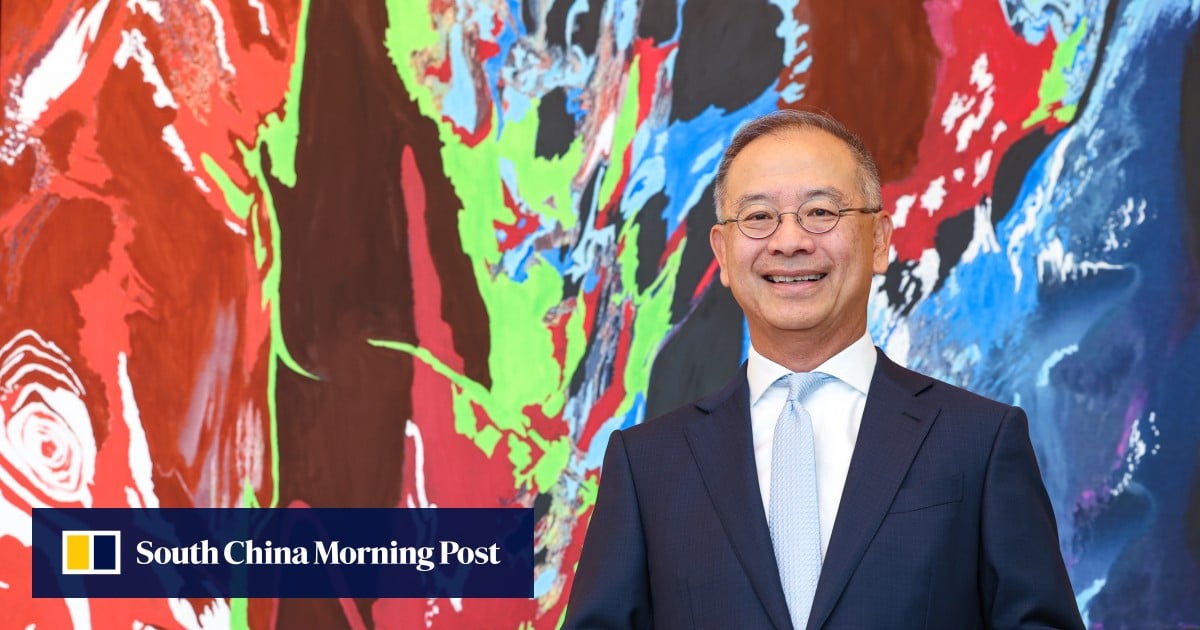
HKMA Chief Executive Eddie yue Wai-man recently highlighted the continued pressure on commercial property credit as a key concern for banks in the coming year. While residential property prices are showing signs of stabilization – even modest gains in recent months – the commercial sector remains a focal point for scrutiny.
Specifically, the HKMA will be diligently tracking the credit quality within the commercial property portfolio of Hong Kong banks. This isn’t a cause for immediate alarm, but a proactive measure to ensure continued financial stability.
Residential Market Shows Resilience
Recent data from the Rating and Valuation Department offers a glimmer of optimism. Hong Kong’s lived-in home prices have increased for the fifth consecutive month,rising 0.14% in August. This positive trend has narrowed the year-to-date price decline to just 0.24%.
this stabilization in the residential market allows the HKMA to concentrate its attention on the more vulnerable commercial property sector.It suggests a broader economic resilience that supports the banking system.
Why Commercial Property is Under the Microscope
The concern surrounding commercial property stems from several factors, including:
* Office Vacancy Rates: High office vacancy rates, particularly in key business districts, put downward pressure on property values.
* Economic Slowdown: A broader economic slowdown can impact businesses’ ability to repay commercial property loans.
* Global Uncertainty: Global economic and geopolitical uncertainties contribute to market volatility.
However, Yue emphasizes that the banking sector is well-prepared to handle these challenges.
Banks are Prepared: Sufficient Provisions in Place
Despite the pressures, the HKMA believes the risks are “manageable.” This confidence is rooted in two key factors:
* Limited Exposure: Commercial real estate credit represents a relatively small portion of the overall lending portfolio for Hong Kong banks.
* adequate Provisions: Banks have already made sufficient provisions to cover potential losses related to commercial property loans.
This proactive approach to risk management demonstrates the sector’s commitment to maintaining financial health. You can rest assured that Hong Kong banks are not caught off guard.
Opportunities on the Horizon: Capital Markets and Yuan Business
While commercial property presents a challenge, Hong Kong’s banking sector also has opportunities for growth. Yue pointed to potential gains in two key areas:
* Capital Markets: Increased activity in capital markets could boost bank revenues.
* Yuan Business: Expanding yuan-denominated business offers further growth potential, leveraging Hong Kong’s position as a key financial hub for the Chinese currency.
These opportunities could help offset the challenges posed by the commercial property sector,contributing to overall banking sector stability.
Looking Ahead: A Balanced Outlook
The HKMA’s assessment paints a balanced picture. While challenges remain, particularly in the commercial property sector, Hong Kong’s banking system is resilient and well-prepared. The stabilization of the residential market, coupled with opportunities in capital markets and yuan business, provides a degree of optimism for the year ahead.
What should you do? Stay informed about market developments and consult with financial professionals for personalized advice.
Evergreen Insights: Hong Kong’s Financial Resilience
Hong Kong has weathered numerous economic storms throughout its history. Its success as a global financial center is built on a foundation of:
* Strong Regulatory Framework: The HKMA’s proactive and robust regulatory framework is crucial for maintaining financial stability.
* Sound Banking Practices: Hong Kong banks are known for their conservative lending practices and strong capital positions.
* Strategic Location: Hong Kong’s strategic location and open economy facilitate international trade and investment.
These factors contribute to the city’s long-term financial resilience, even in the face of short-term challenges. Understanding these fundamentals is key to assessing the long-term health of Hong Kong
Worth a look