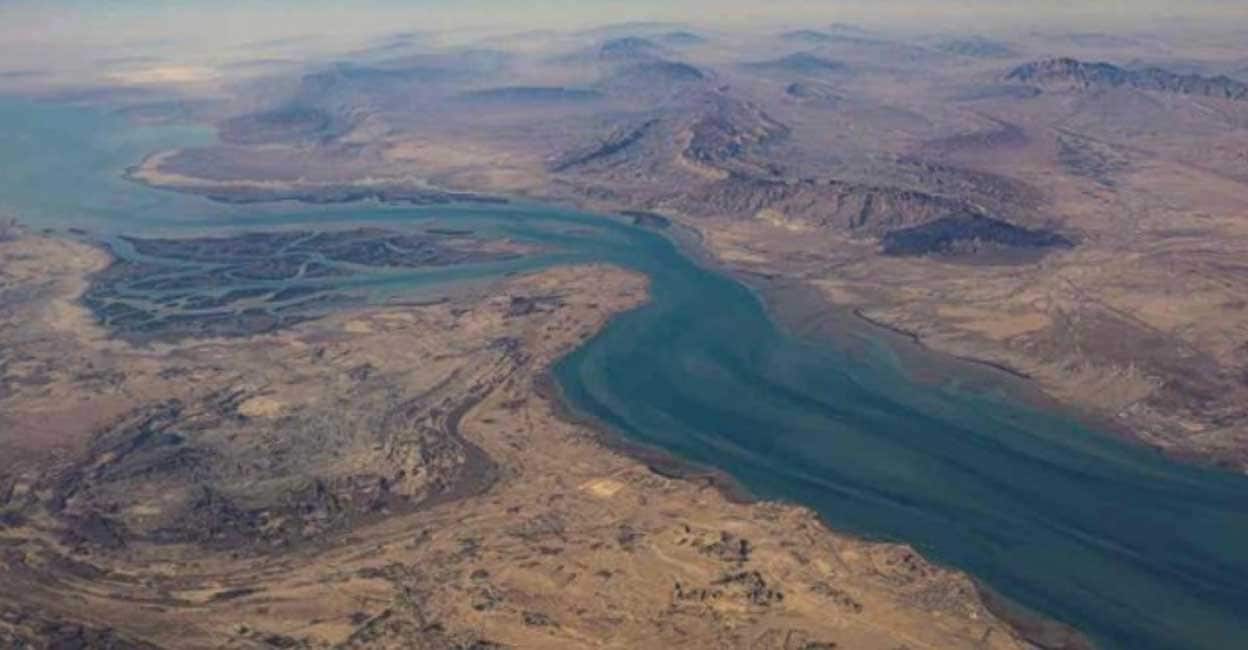
LONDON — The Hormuz Strait has fully reopened to commercial shipping after a period of heightened tensions, with at least 11 vessels transiting the critical waterway toward Indian ports in the past week, according to maritime tracking data and statements from global shipping authorities. The resumption comes as energy markets brace for potential supply chain disruptions following months of geopolitical strain in the region, though analysts warn that underlying risks—including Iranian warnings and regional military posturing—remain unresolved.
Indian authorities confirmed the transit of the vessels, with the Ministry of Ports, Shipping, and Waterways stating that “normal traffic flow has been restored” along the Strait, a chokepoint through which approximately 20% of the world’s seaborne oil passes daily. The development follows a temporary halt in shipping operations earlier this year, attributed to heightened security concerns and Iranian military maneuvers near the Strait. According to the International Maritime Organization (IMO), the Strait remains one of the most heavily trafficked maritime corridors globally, with over 17,000 vessels transiting annually.
India, the world’s third-largest oil importer, has been particularly affected by the disruptions. Data from the Indian government’s Directorate General of Shipping shows that Indian refineries had stockpiled crude oil to mitigate potential shortages, a strategy that has now eased with the resumption of shipping. However, energy analysts caution that the situation remains fragile. “While the immediate bottleneck has been lifted, the geopolitical undercurrents in the region are not resolved,” said Ajit Doval, India’s National Security Advisor, during the recent BRICS summit. “The reopening of the Strait is a positive step, but it does not eliminate the risk of further instability.”
Why the Hormuz Strait Matters: A Chokepoint for Global Trade
The Hormuz Strait, located between Iran and Oman, is a narrow waterway that connects the Persian Gulf to the Gulf of Oman and the Arabian Sea. It is a critical transit point for oil tankers carrying crude from the Middle East to global markets, including India, China, and Japan. According to the U.S. Energy Information Administration (EIA), roughly 18 million barrels of oil per day—nearly 20% of global oil supply—pass through the Strait annually. Disruptions in the region have historically led to sharp spikes in oil prices, as seen during the 2019 tanker seizures and the 2022 Russia-Ukraine conflict.
India’s reliance on Hormuz Strait-bound oil is particularly acute. The country imports approximately 85% of its crude oil needs, with major suppliers including Iraq, Saudi Arabia, and the United Arab Emirates—all of which rely on the Strait for transit. The recent transit of 11 vessels, including four LNG tankers from Qatar, has been closely monitored by Indian customs officials. “The movement of these vessels is a welcome sign, but we must remain vigilant,” said a senior official from the Indian Ministry of External Affairs, who requested anonymity. “Any further escalation in the region could disrupt supply chains once again.”
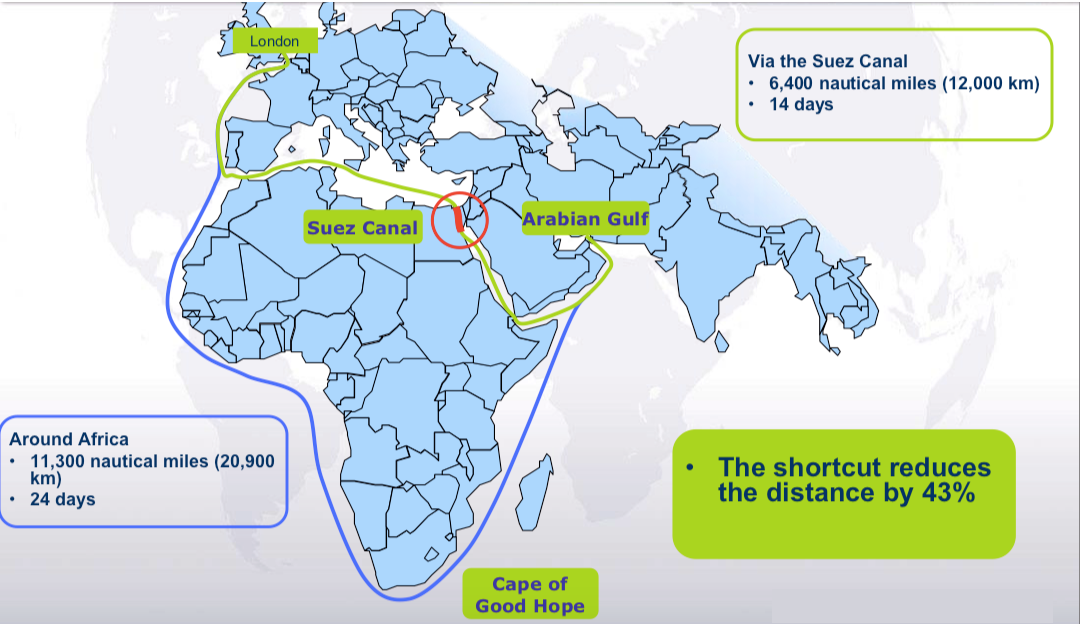
Maritime security firms, including Lloyd’s List and MarineTraffic, have reported a gradual increase in shipping activity through the Strait over the past week. However, the data also shows that some vessels are still taking longer routes around the Cape of Good Hope to avoid potential risks. “While the Strait is open, the premium for alternative routes remains high,” said a spokesperson for MarineTraffic. “Shipowners are still weighing the costs and risks before committing to full transit.”
Geopolitical Tensions Persist Despite Reopened Trade Routes
Despite the resumption of shipping, the Hormuz Strait remains a flashpoint in regional geopolitics. Iran has repeatedly warned of potential disruptions, including a recent statement from the Islamic Revolutionary Guard Corps (IRGC) that “foreign vessels entering Iranian waters do so at their own risk.” The warnings came after four Qatari LNG tankers transited the Strait earlier this month, despite Iranian calls for caution. “The IRGC’s statements are a clear indication that the underlying tensions have not been resolved,” said Middle East analyst Rula Jebreal. “While shipping has resumed, the risk of further incidents cannot be ruled out.”

The situation is further complicated by the presence of U.S. and allied naval forces in the region. The U.S. Navy’s Fifth Fleet, based in Bahrain, has increased patrols in the Strait in recent months, citing “heightened security concerns.” Admiral Brad Cooper, commander of the U.S. Naval Forces Central Command, stated in a recent briefing that “we remain committed to ensuring the free flow of commerce through international waterways.” However, the increased military presence has also raised concerns among regional powers, including Iran, which views it as provocative.
India has sought to balance its energy security needs with diplomatic caution. During the BRICS summit in Johannesburg, India’s NSA Doval emphasized the importance of stable energy supplies while calling for de-escalation in the region. “The reopening of the Strait is a step forward, but it must be accompanied by a broader commitment to peace and stability,” Doval said. “India has a vested interest in ensuring that the Strait remains open and secure for all nations.”
What Happens Next: Energy Markets and Supply Chain Stability
With the Hormuz Strait now operational, energy markets are closely watching for signs of stability. Oil prices, which had surged earlier this year due to supply concerns, have begun to stabilize. According to the International Energy Agency (IEA), global oil inventories have remained resilient despite the disruptions, partly due to stockpiling by major importers like India and China. However, the IEA warns that any further escalation in the region could lead to a rapid rebound in prices.

For India, the resumption of shipping is a critical development. The country’s refineries, which process over 5 million barrels of crude per day, had been operating at reduced capacity due to delayed imports. With the Strait now open, Indian customs officials expect a gradual normalization of supply chains. “We anticipate a steady increase in crude oil arrivals over the next few weeks,” said a senior official from the Indian Petroleum and Natural Gas Regulatory Board (PNGRB). “However, we will continue to monitor the situation closely.”
Shipping companies are also adjusting their operations. Major carriers, including Maersk and COSCO, have resumed normal routing through the Strait, though some are still opting for longer, safer routes. “The decision to transit the Strait is now a commercial one, balancing cost and risk,” said a spokesperson for Maersk. “While the immediate threat has subsided, we remain cautious about the long-term stability of the region.”
Key Takeaways: The Strait’s Reopening and Its Implications
- Shipping Resumes: The Hormuz Strait has reopened to commercial traffic, with 11 vessels—including four LNG tankers—transiting toward Indian ports in the past week.
- Energy Markets Stabilize: Oil prices have begun to stabilize, but the IEA warns that further disruptions could lead to rapid price increases.
- Geopolitical Risks Remain: Iran’s warnings and regional military posturing indicate that underlying tensions have not been resolved.
- India’s Energy Security: The resumption of shipping is critical for India, which imports 85% of its crude oil needs through the Strait.
- Maritime Caution Persists: Some shipping companies are still opting for longer routes around the Cape of Good Hope due to lingering risks.
Where to Find Official Updates and Advisories
For real-time updates on Hormuz Strait shipping activity, readers can refer to the following authoritative sources:
- International Maritime Organization (IMO) – Global maritime safety and security updates.
- MarineTraffic – Real-time vessel tracking and shipping data.
- U.S. Energy Information Administration (EIA) – Oil market analysis and supply chain insights.
- Indian Ministry of Ports, Shipping, and Waterways – Official updates on Indian maritime operations.
- International Energy Agency (IEA) – Global energy market reports and risk assessments.
The next major checkpoint for the Hormuz Strait’s stability will be the outcome of ongoing diplomatic efforts in the region, particularly between Iran and the U.S. The U.S. State Department has indicated that it will continue to monitor the situation closely, with Secretary of State Antony Blinken stating in a recent press briefing that “the free flow of commerce in international waters is a top priority.” Meanwhile, India will continue to engage with regional partners to ensure the Strait remains secure for global trade.
Readers with additional insights or concerns about the Hormuz Strait’s reopening are encouraged to share their thoughts in the comments below. For further analysis on global energy markets and maritime security, stay tuned to World Today Journal for the latest updates.