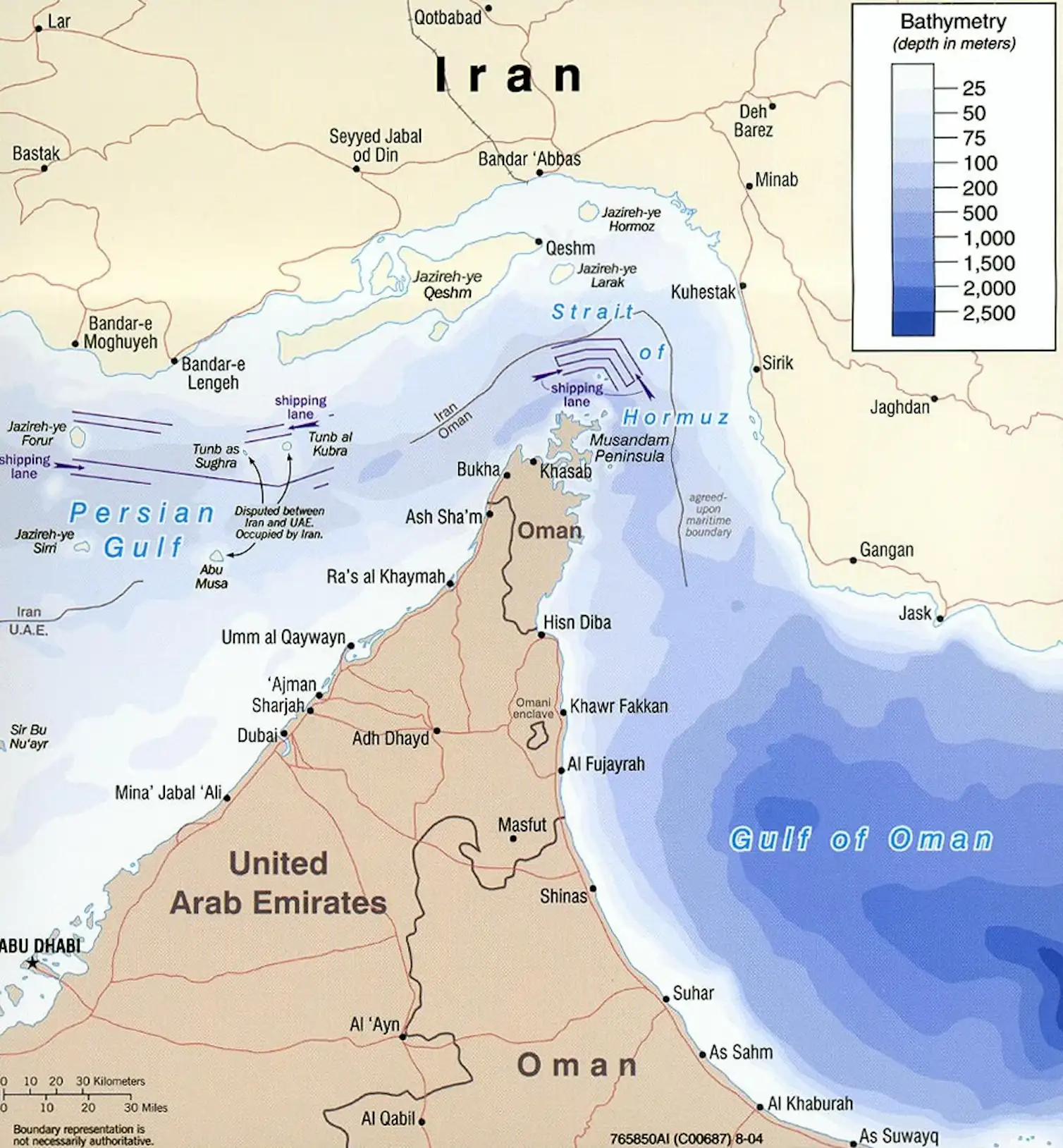
U.S. naval forces are conducting specialized nighttime escort operations for commercial oil tankers passing through the Strait of Hormuz to mitigate security risks and ensure the uninterrupted flow of global energy supplies. These maneuvers respond to heightened regional tensions and the increased presence of vessels operating without standard identification protocols in the strategic maritime chokepoint.
The Strait of Hormuz, a narrow waterway separating the Persian Gulf from the Gulf of Oman, serves as a critical artery for the global economy. Approximately one-fifth of the world’s total oil consumption passes through this passage daily. Recent security concerns have prompted increased vigilance from the United States and its allies, as maritime authorities track various threats ranging from state-sponsored interference to the movement of “dark fleet” tankers that bypass international sanctions.
Military officials and maritime security analysts suggest that the shift toward nighttime operations is a tactical response to the evolving nature of asymmetric threats in the region. By providing active protection during hours of reduced visibility, naval assets aim to deter potential boarding attempts, drone strikes, or mine deployments that could disrupt energy markets.
Why are U.S. forces increasing maritime escorts in the Strait?
The escalation of naval presence is driven by the need to maintain “freedom of navigation,” a core principle of international maritime law. According to Reuters, regional stability in the Middle East remains highly sensitive to any disruption in the shipping lanes, which could trigger immediate spikes in global crude prices. The U.S. Navy’s 5th Fleet, headquartered in Bahrain, maintains a constant presence in the region to monitor these activities.
Security experts note that the Strait of Hormuz is uniquely vulnerable due to its narrowness. At its tightest point, the shipping lanes are only two miles wide in each direction, separated by a two-mile buffer zone. This geography makes large commercial vessels, particularly slow-moving oil tankers, susceptible to rapid intercept maneuvers by smaller, faster craft. Nighttime escorts utilize advanced radar, thermal imaging, and electronic warfare suites to detect approaching threats long before they reach the commercial vessels.
The primary mission of these escorts is to provide a deterrent effect. The presence of high-readiness warships complicates the calculus for non-state actors or regional powers considering maritime harassment. While the U.S. military has not officially confirmed the specific frequency of nighttime-only escorts, U.S. Central Command (CENTCOM) frequently reports on its ongoing maritime security operations designed to protect commercial shipping from various regional threats.
How do “stealth tankers” affect regional maritime safety?
A growing complication in the Strait of Hormuz is the rise of the “dark fleet”—a group of tankers that operate with minimal transparency to evade international sanctions. These vessels often employ “stealth mode” by disabling their Automatic Identification System (AIS). AIS is a tracking system used by ships to broadcast their position, speed, and identity to other vessels and coastal authorities to prevent collisions and monitor traffic.
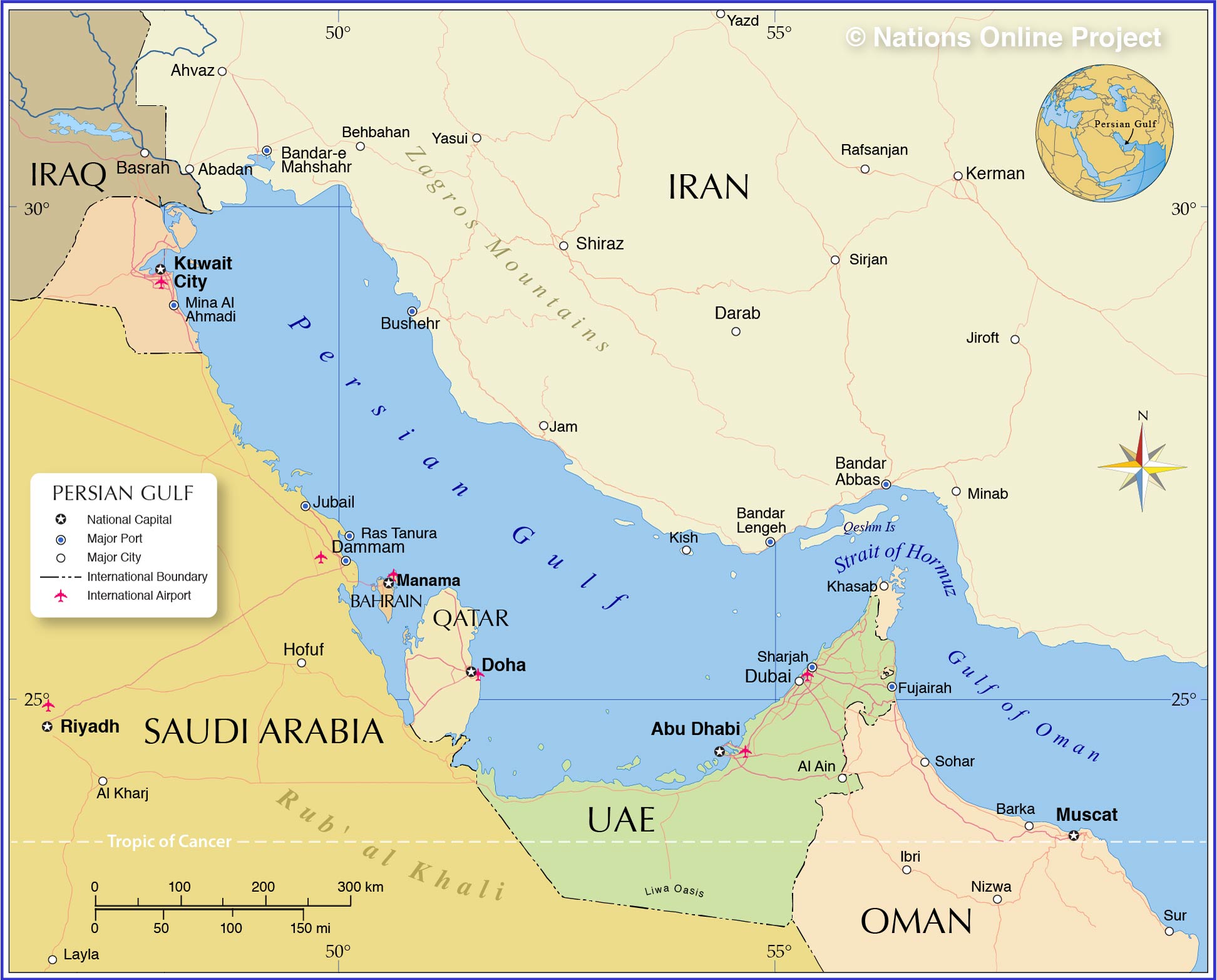
When tankers turn off their AIS, they become “invisible” to standard maritime tracking software, creating significant safety hazards. This lack of transparency increases the risk of:
- Collisions: Without AIS data, other ships cannot accurately predict the movements of dark fleet vessels, especially in congested or low-visibility conditions.
- Environmental Disasters: Sanction-evading vessels often operate with aging equipment and substandard maintenance, increasing the likelihood of oil spills in the sensitive Persian Gulf ecosystem.
- Sanctions Evasion: By hiding their identities, these ships facilitate the illegal transfer of oil, undermining international regulatory frameworks.
The presence of these unidentifiable vessels forces naval forces to expand their surveillance efforts. Monitoring “dark” traffic requires more than just satellite imagery; it necessitates active patrol and electronic intelligence gathering. This added layer of complexity necessitates the heightened security protocols currently observed in the shipping lanes.
What is driving the recent volatility in Brent crude prices?
Despite the heightened security risks in the Strait, global oil markets have recently experienced significant fluctuations. Brent crude, a primary global benchmark, recently saw a sharp decline of approximately 3% in a single trading session. Market analysts attribute this downward pressure to a combination of factors, including potential diplomatic breakthroughs and shifts in global demand forecasts.
According to reports from Bloomberg, fluctuations in oil prices are often tied to the perceived likelihood of ceasefire agreements in Middle Eastern conflict zones. When the probability of a diplomatic resolution increases, the “geopolitical risk premium”—the extra cost baked into oil prices due to the fear of supply disruption—tends to evaporate, leading to rapid price drops.
The fear that oil prices could reach $200 per barrel remains a topic of intense discussion among energy economists. Such a scenario would likely only occur if the Strait of Hormuz were physically closed or if a major conflict resulted in a sustained, large-scale cessation of oil exports from the Gulf. While the threat of Iran closing the Strait remains a constant geopolitical variable, current market data suggests that traders are currently pricing in a more stabilized supply outlook, despite the tactical tensions at sea.
| Risk Factor | Primary Impact | Mitigation Strategy |
|---|---|---|
| State-Level Interference | Supply disruptions and chokepoint closures | U.S. Naval escorts and international coalitions |
| Dark Fleet Vessels | Collision risks and environmental damage | Enhanced radar and electronic surveillance |
| Asymmetric Attacks | Damage to specific commercial assets | Point defense systems and nighttime patrols |
| AIS Disablement | Loss of situational awareness | Satellite monitoring and physical intercepts |
The geopolitical implications of the Strait of Hormuz
The Strait of Hormuz is more than just a shipping lane; it is a central component of global geopolitical leverage. Iran has frequently signaled its ability to disrupt the strait in response to international pressure or sanctions. Any move to effectively close the passage would represent a global economic emergency, potentially paralyzing the energy sectors of major economies in Asia, Europe, and North America.
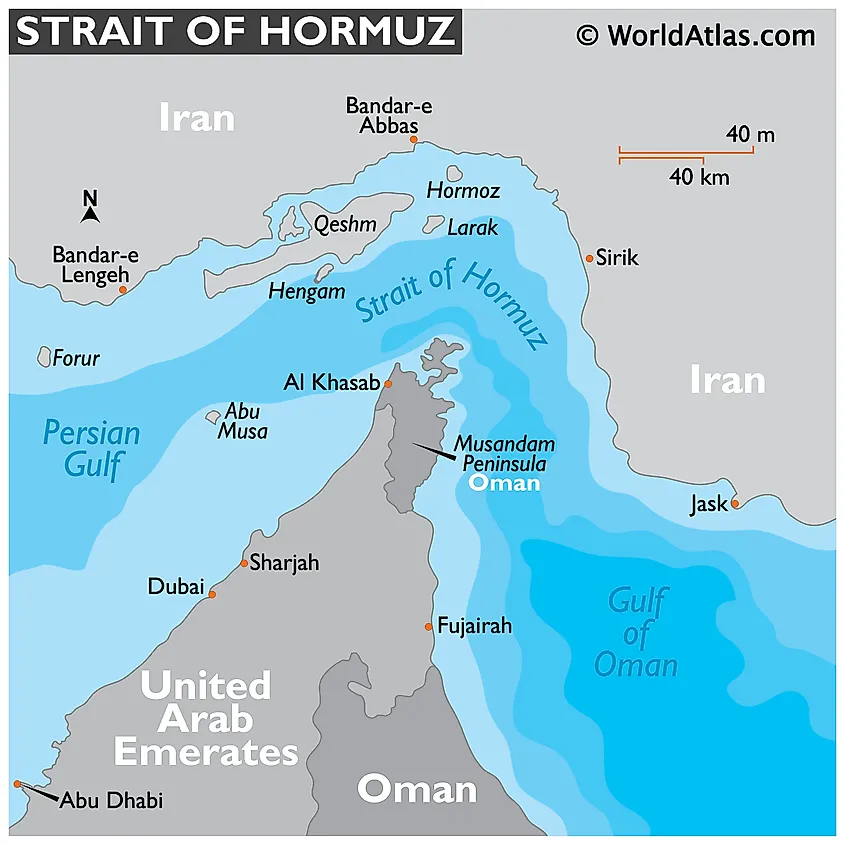
The tension between the necessity of free trade and the strategic use of maritime chokepoints defines the current security architecture of the Middle East. The U.S. maintains its naval presence not only to protect commercial interests but also to uphold the international order regarding the freedom of the seas. This presence acts as a counterweight to any regional power attempting to use energy transit as a tool of political coercion.
As the maritime environment continues to evolve with the introduction of new technologies and shifting political alliances, the role of naval escorts is expected to remain a permanent fixture of the region’s security landscape. The balance between maintaining open trade and managing the risks of “stealth” shipping and regional conflict remains delicate.
The next major checkpoint for maritime security in the region will be the upcoming quarterly review of maritime security protocols by the International Maritime Organization (IMO), which is expected to address the growing issue of AIS manipulation and dark fleet activities.
For more updates on global energy security and maritime affairs, please share this article and join the conversation in the comments below.