
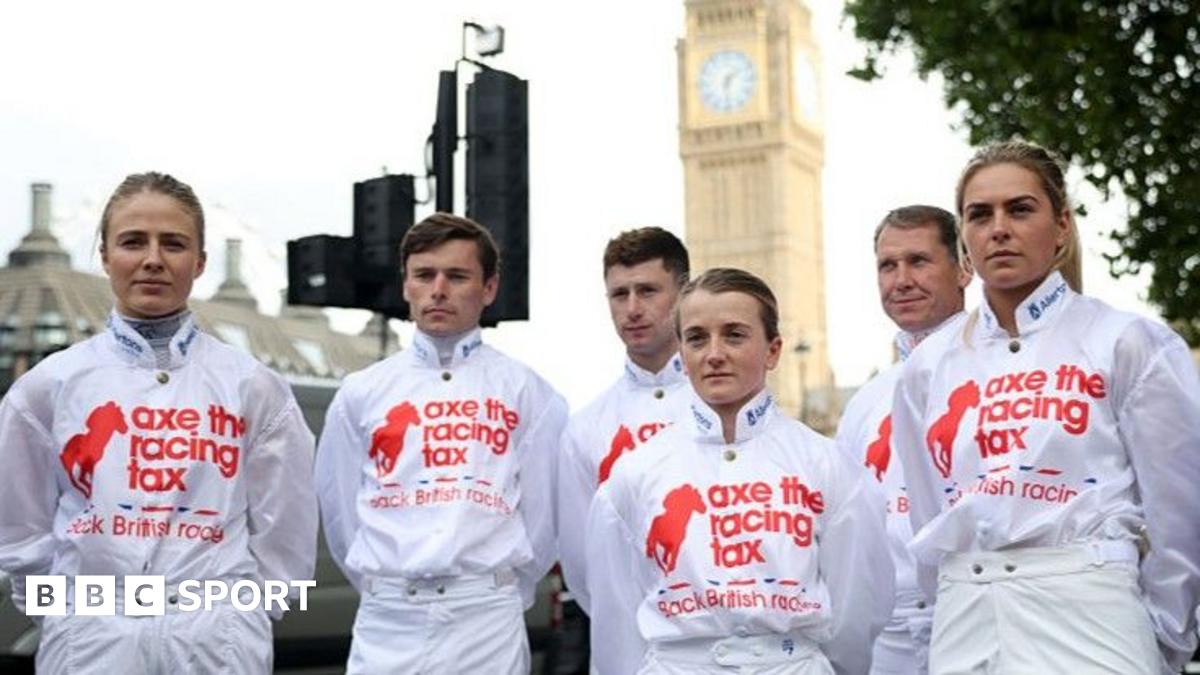
UK Gambling Tax Hike: Impact on Horse Racing and the Future of Betting
The recent UK Autumn Statement delivered a mixed bag for the gambling industry, particularly horse racing. While chancellor Jeremy Hunt announced a commitment to supporting racing as a “unique national asset,” the accompanying tax increases on betting firms have sparked significant concern. This article delves into the details of these changes, their potential ramifications for the sport of kings, and the broader implications for the UK gambling landscape.
The new Tax Landscape: what’s Changing?
The government plans to generate an estimated £1.1 billion from the gambling industry by 2031 through increased taxation. This comes at a time when the sector is already navigating a complex regulatory environment following the implementation of the 2005 Gambling Act review. The measures were initially revealed prematurely by the Office for Budget Responsibility, adding to the industry’s unease.
Specifically, the changes involve adjustments to general taxation applied to betting companies. While the exact mechanisms are still being clarified, the expectation is a rise in Betting Duty, impacting profits generated from both online and retail betting. This has promptly impacted share prices of major gambling firms, though some have shown signs of recovery.
why Racing is Particularly Vulnerable
Horse racing relies heavily on financial contributions from the betting industry. Betting shops and online operators provide crucial funding through:
* The Levy: A statutory contribution from bookmakers to support racing’s infrastructure and prize money.
* Media Rights Payments: Fees paid for the right to broadcast racing events.
* Sponsorship & Promotion: Direct investment in races, events, and marketing initiatives.
Bookmakers warned prior to the Budget that increased taxes could lead to betting shop closures. Each shop represents a significant source of funding for racing. A reduction in the number of betting outlets, or a decline in operator profitability, directly threatens these revenue streams.
Potential consequences for Horse Racing
Industry leaders fear a domino effect.If bookmakers are forced to cut costs to absorb the tax increases, the consequences for racing could be severe:
* Reduced Sponsorship: Less funding for races and events.
* Lower Prize Money: Diminished incentives for owners and trainers.
* Worse Odds & Fewer Bonuses: Less attractive offerings for customers.
* Increased Risk of a Shift to the Black Market: Punters may seek unregulated platforms offering potentially unsafe and untaxed betting options.
The British Horseracing Authority (BHA) acknowledged the Chancellor’s support but emphasized the need to mitigate the potential trickle-down effects of the tax hike. They plan to collaborate with betting industry partners to understand and address the implications.
The Rise of the Unregulated Market: A Growing Concern
Alongside the tax increases, the government announced an additional £26 million in funding for the Gambling Commission over the next three years. This funding is specifically earmarked to tackle the growing illicit gambling market.
However, critics argue that higher taxes on the regulated sector will inadvertently fuel the black market. Grainne Hurst, CEO of the Betting and Gaming Council, described the tax rises as “a devastating hammer blow” and a “massive win for the incredibly harmful, unsafe, unregulated gambling black market.” Betting and Gaming Council provides further insights into the industry’s perspective.
Recent data from the Gambling Commission itself highlights the increasing prevalence of illegal gambling websites and their associated risks. A report published in October 2023 indicated a 12% rise in visits to unlicensed gambling sites in the past year. Gambling Commission Report
Navigating the Future: What Can Be Done?
The situation demands a proactive and collaborative approach.Here are some potential strategies:
* Industry Dialog: Open interaction between the government, racing authorities, and betting operators is crucial to find solutions that minimize harm.
* innovation in Funding Models: Exploring option revenue streams for racing, such as direct-to-consumer offerings and international expansion.
* Enhanced Regulation of the Black Market: Strengthening enforcement efforts to combat illegal gambling platforms and protect consumers.
* Responsible Gambling Initiatives: Investing in programs that promote safe betting practices and address problem gambling.
Evergreen Insights: The Evolving Relationship Between Racing and Betting
the symbiotic relationship between horse racing and betting has existed for centuries. Historically, betting provided the financial engine that allowed racing to flourish. However, this dynamic has become increasingly complex in the digital age. The rise of online betting, the





![Medication Errors: Protecting Vulnerable Patients | [Your Brand/Publication Name]](https://i0.wp.com/cdn.sanity.io/images/0vv8moc6/pharmacytimes/1f94386485ce4616c94e021bf90f3dfc7f9a0516-3635x2408.jpg?resize=150%2C100&ssl=1 "Medication Errors: Protecting Vulnerable Patients | [Your Brand/Publication Name]")
