
In the sterile corridors of modern medicine, a silent and invisible battle is waged daily. For healthcare providers in major urban centers like Munich, the fight against multi-resistant pathogens—often referred to as “superbugs”—is not merely a clinical necessity but a constant strategic challenge. These organisms, which have evolved to withstand the very antibiotics designed to kill them, can turn hospitals into precarious environments if hygiene protocols are not rigorously maintained.
At the center of this effort in Munich is the München Klinik, where the management of hospital hygiene and infection prevention is treated as a critical pillar of patient safety. The complexity of this task requires a multidisciplinary approach, combining strict bedside protocols with advanced microbiological surveillance to prevent the spread of healthcare-associated infections.
Leading this charge is Dr. Patrick Rämer, the Lead Physician (Leitender Arzt) for Hospital Hygiene and Infection Prevention at München Klinik gGmbH. A specialist in microbiology, virology, and infection epidemiology, Dr. Rämer has overseen these efforts since July 2022, coordinating a specialized team dedicated to neutralizing the risks posed by resistant strains of bacteria and viruses.
The challenge of maintaining a sterile environment is compounded by the nature of critical care. When patients require invasive procedures, the risk of introducing pathogens increases exponentially. The focus has shifted from general cleanliness to highly specific, evidence-based standards that govern every interaction between the clinician and the patient.
The Invisible Frontline: Managing Multi-Resistant Pathogens
Hospitals are inherently susceptible to becoming hotspots for multi-resistant pathogens due to the fact that they concentrate two critical factors: highly vulnerable patients and the frequent apply of antimicrobial agents. This environment creates a selective pressure that allows only the most resilient bacteria to survive and proliferate. To counter this, infection prevention must be proactive rather than reactive.
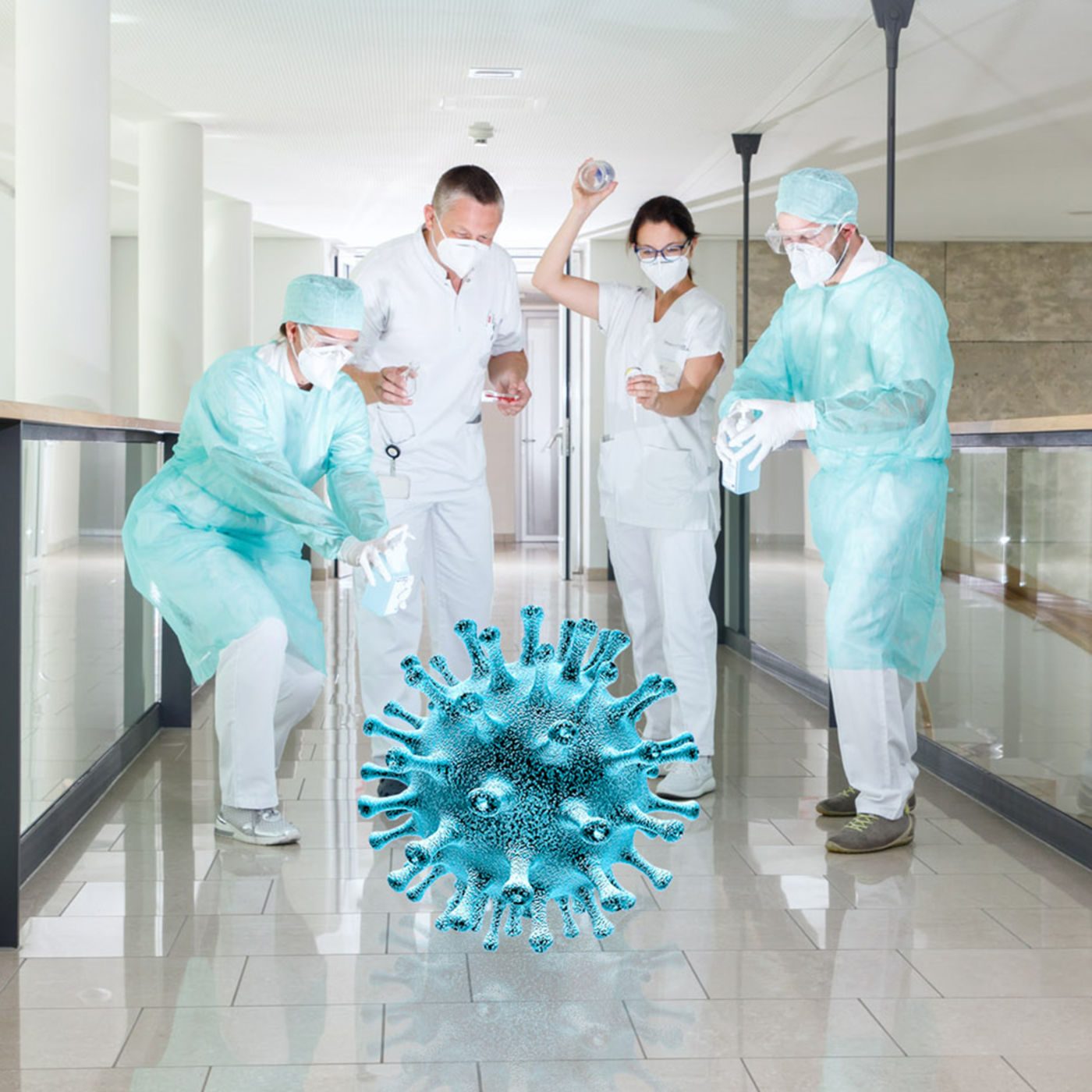
Dr. Rämer’s role involves the implementation of systemic barriers to prevent nosocomial infections. This includes the oversight of a dedicated hygiene staff. According to official directory data, the infrastructure at München Klinik Thalkirchner Straße includes one hospital hygienist, two doctors’ hygiene officers, three hygiene specialists, and 10 hygiene officers in nursing care . This staffing model ensures that hygiene standards are monitored not only by physicians but also by the nursing staff who provide the most direct patient care.
Beyond staffing, the institutional framework is governed by a hygiene commission. This commission meets semi-annually to review protocols, assess infection rates, and update guidelines based on the latest epidemiological data. This structured oversight is essential for adapting to the “local resistance situation,” ensuring that the antibiotics used within the facility remain effective against the specific strains circulating in the Munich region.
Rigorous Protocols: The Standard of Care at München Klinik
One of the most high-risk areas for infection is the placement and maintenance of Central Venous Catheters (CVC). Because these catheters provide a direct route into the bloodstream, any breach in sterility can lead to life-threatening sepsis. To mitigate this, München Klinik employs a strict, site-specific hygiene standard for CVC placement.
The protocol mandates a comprehensive array of protective measures to create a sterile field. Verified standards for CVC placement include the mandatory use of:
- Sterile gloves and sterile gowns
- Head hoods and mouth/nose protection
- Sterile drapes to isolate the puncture site
These measures, alongside mandatory hygienic hand disinfection and the use of adequate skin antiseptics with strict adherence to exposure times, are designed to eliminate the possibility of skin flora entering the bloodstream .
the facility maintains a specific standard for monitoring the duration of catheterization. By routinely reviewing how long a central venous catheter remains indwelling, the medical team can reduce the window of opportunity for biofilm formation and subsequent infection. These standards are not merely suggestions. they are authorized by hospital management and the hygiene commission, making them mandatory components of clinical practice.
The Role of Antibiotic Prophylaxis
Combatting multi-resistant pathogens also requires a sophisticated approach to antibiotic therapy. Overuse or improper use of antibiotics is a primary driver of resistance. To address this, München Klinik utilizes site-specific guidelines for both general antibiotic therapy and perioperative antibiotic prophylaxis.
These guidelines are critically adapted to the current internal and local resistance patterns. By tailoring the choice of antibiotic to the specific pathogens known to be prevalent in the local environment, clinicians can maximize efficacy while minimizing the risk of fostering further resistance. This precision medicine approach is a cornerstone of modern infection prevention.
The Digital Shift: Molecular Surveillance and the Future of Hygiene
While traditional culture methods remain vital, the field of infection prevention is moving toward a more rapid, data-driven model. The integration of molecular biology and digitalization is transforming how hospitals track and contain outbreaks.
The importance of this evolution is the focus of an upcoming symposium, “Hygiene und Infektionsprävention im Fokus” (Hygiene and Infection Prevention in Focus), scheduled for October 20, 2025, at München Klinik Harlaching. The event, organized in collaboration with the Bavarian State Office for Health and Food Safety (LGL), will explore how modern sequencing techniques are fundamentally changing the surveillance of infection agents .
Molecular surveillance allows health officials to move beyond identifying a species of bacteria to identifying the specific genetic “fingerprint” of a strain. This level of detail makes it possible to determine with certainty whether two patients are infected with the same strain, thereby pinpointing the exact source of a hospital-acquired infection—whether it be a contaminated piece of equipment, a specific procedure, or a lapse in hand hygiene. By digitalization of this data, hospitals can detect clusters of infections in real-time, allowing for immediate intervention before a localized issue becomes a facility-wide outbreak.
Institutional Oversight and the Role of the Hygiene Commission
The success of these technical measures depends entirely on institutional discipline. The hygiene commission at München Klinik serves as the regulatory body that ensures protocols are not just written, but followed. By meeting every six months, the commission can pivot strategies quickly in response to fresh threats or changes in medical guidelines.
This systemic approach—combining the expertise of a Lead Physician like Dr. Rämer, a specialized team of nursing and medical hygiene officers, and a governing commission—creates a layered defense. When each layer (from the sterile gown in the OR to the molecular sequencing in the lab) functions correctly, the risk of the hospital acting as a “hotspot” for pathogens is significantly reduced.
For patients and the public, this infrastructure represents the hidden side of healthcare. While most patients focus on the surgery or the medication, it is the rigorous adherence to these invisible protocols that often determines the ultimate outcome of a hospital stay.
Key Takeaways for Patient Safety
- Specialized Leadership: Infection prevention is led by experts in microbiology and epidemiology, such as Dr. Patrick Rämer, to ensure evidence-based protocols.
- Strict CVC Standards: The use of sterile gowns, gloves, hoods, and drapes is mandatory for central venous catheter placement to prevent bloodstream infections.
- Localized Antibiotic Use: Antibiotic guidelines are specifically adapted to local resistance patterns to maintain drug efficacy.
- Advanced Surveillance: The shift toward molecular biology and digitalization allows for more precise tracking and containment of resistant pathogens.
- Structured Oversight: Semi-annual hygiene commission meetings ensure that protocols are regularly reviewed and updated.
The next major milestone in the regional effort to advance these practices will be the “Hygiene und Infektionsprävention im Fokus” symposium on October 20, 2025, which will further detail the implementation of modern surveillance techniques in clinical settings.
Do you have questions about hospital hygiene standards or how to protect yourself during a hospital stay? Share your thoughts in the comments below or share this article to raise awareness about infection prevention.
Worth a look