Hotel Coffee Machine Laundry Hack Sparks Outrage and Hygiene Concerns
A social media trend encouraging travelers to use hotel coffee machines to wash their underwear has ignited a firestorm of criticism and raised serious questions about hygiene standards in hospitality. The unusual “life hack,” popularized by fitness coach and influencer Tara Woodcock, quickly went viral before drawing widespread condemnation from social media users and sparking a broader conversation about the cleanliness of hotel amenities.
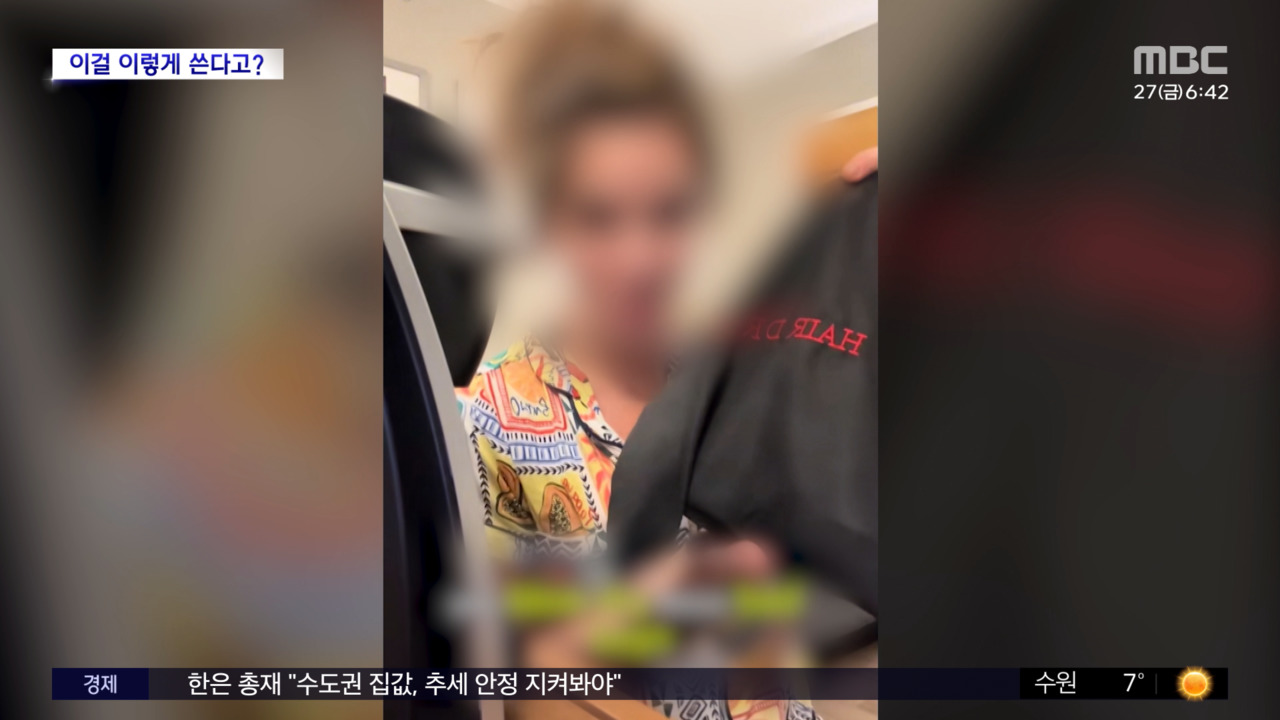
Woodcock, who has over 600,000 followers on TikTok, initially shared a video demonstrating the method in November 2023. The video showed her inserting a pair of undergarments into the space typically reserved for a coffee filter and running the machine, suggesting the hot water would effectively “wash” the item. She then recommended drying the freshly “laundered” underwear with a hairdryer. While the video initially garnered over 600,000 views and 4,000 likes, it has since become a source of significant online backlash.
From Viral Trend to Public Health Debate
The idea of using a hotel coffee machine for laundry purposes was met with immediate and widespread disgust. Users across various social media platforms expressed concerns about the unsanitary nature of the practice, questioning the potential for bacterial contamination and the impact on future hotel guests. Many commenters stated they would now be hesitant to use hotel coffee machines, fearing residual contamination. “Now I can’t use hotel coffee machines,” one user commented, echoing a sentiment shared by many others online. Others questioned the logic of the method, suggesting simpler alternatives like hand-washing with soap and water.
Adding fuel to the fire, social media users unearthed a previous video from 2023 in which Woodcock explicitly stated she would “never” use a hotel coffee machine, citing hygiene concerns. This apparent contradiction further intensified the criticism leveled against the influencer, with many accusing her of hypocrisy. The discrepancy between her earlier statement and the recent “hack” led to accusations of prioritizing viral content over responsible advice.
Woodcock responded to the criticism with a follow-up video, claiming she had “never done it” and that the initial video was merely a demonstration of what *could* be done, not an endorsement of the practice. However, this explanation failed to quell the outrage, with many remaining skeptical of her intentions. The damage to her reputation and potentially to the perception of hotel hygiene, appeared to be done.
Hotel Hygiene Under Scrutiny
The controversy extends beyond Woodcock’s actions, prompting a renewed focus on the overall cleanliness of hotel amenities. Concerns have been raised about the hygiene of frequently touched surfaces like bedsheets, cups, and remote controls. The incident has reignited discussions about the thoroughness of hotel cleaning protocols and the potential for the spread of germs in hotel rooms. Experts in hospitality hygiene emphasize the importance of regular and rigorous cleaning procedures to ensure guest safety and satisfaction.
While hotels generally adhere to strict cleaning standards, the incident highlights the potential for lapses and the importance of guest awareness. Many hotels now provide disinfectant wipes in rooms, allowing guests to sanitize surfaces themselves. However, the coffee machine laundry hack underscores the need for clearer communication about the intended use of hotel amenities and the potential risks associated with misuse.
The incident likewise raises questions about the responsibility of social media influencers to verify the safety and practicality of the “hacks” they share with their followers. The rapid spread of misinformation online can have real-world consequences, and influencers have a duty to ensure their content is accurate and does not pose a risk to public health.
The Science of Sanitation and Coffee Machines
From a scientific perspective, using a coffee machine to wash clothing is highly problematic. Coffee machines are designed to heat water for beverage preparation, not for sanitization. While the hot water may kill some bacteria, it won’t eliminate all pathogens, and the machine itself isn’t equipped to remove dirt, oils, and other contaminants effectively. The internal components of a coffee machine are not designed to come into contact with clothing, potentially causing damage to the machine and introducing fibers into the water system.
According to the Centers for Disease Control and Prevention (CDC), proper laundry practices involve using hot water and detergent, followed by thorough drying to kill bacteria and prevent the growth of mold and mildew. The CDC provides detailed guidance on disinfecting surfaces and laundry, emphasizing the importance of following recommended procedures to ensure effective sanitation.
What Hotels Are Saying
While no major hotel chains have issued official statements directly addressing the coffee machine laundry trend, industry experts suggest that hotels are taking the matter seriously. Many hotels are reviewing their internal cleaning protocols and considering additional measures to ensure the hygiene of their coffee machines. Some hotels may also explore ways to communicate more clearly to guests about the proper use of in-room amenities.
The American Hotel & Lodging Association (AHLA) has not yet released a specific statement on the incident, but the organization consistently emphasizes the importance of cleanliness and hygiene as top priorities for its members. The AHLA website provides resources and best practices for hotel sanitation and guest safety.
Key Takeaways
- Using a hotel coffee machine to wash clothing is unsanitary and potentially harmful.
- The incident highlights the importance of hotel hygiene and the need for rigorous cleaning protocols.
- Social media influencers have a responsibility to verify the safety and accuracy of the content they share.
- Guests should be aware of the potential risks associated with misusing hotel amenities.
The fallout from this unusual social media trend serves as a reminder of the importance of common sense and hygiene awareness, both for travelers and for the hospitality industry. As hotels continue to prioritize guest safety and cleanliness, it’s likely we’ll see increased attention paid to the proper use and maintenance of in-room amenities.
The conversation surrounding hotel hygiene is likely to continue, and travelers are encouraged to report any concerns they have to hotel management. Further updates on hotel cleaning protocols and industry responses to this incident will be reported as they become available.
What are your thoughts on this unusual “life hack”? Share your comments below and let us know if this incident has changed your perspective on hotel hygiene.
Related reading