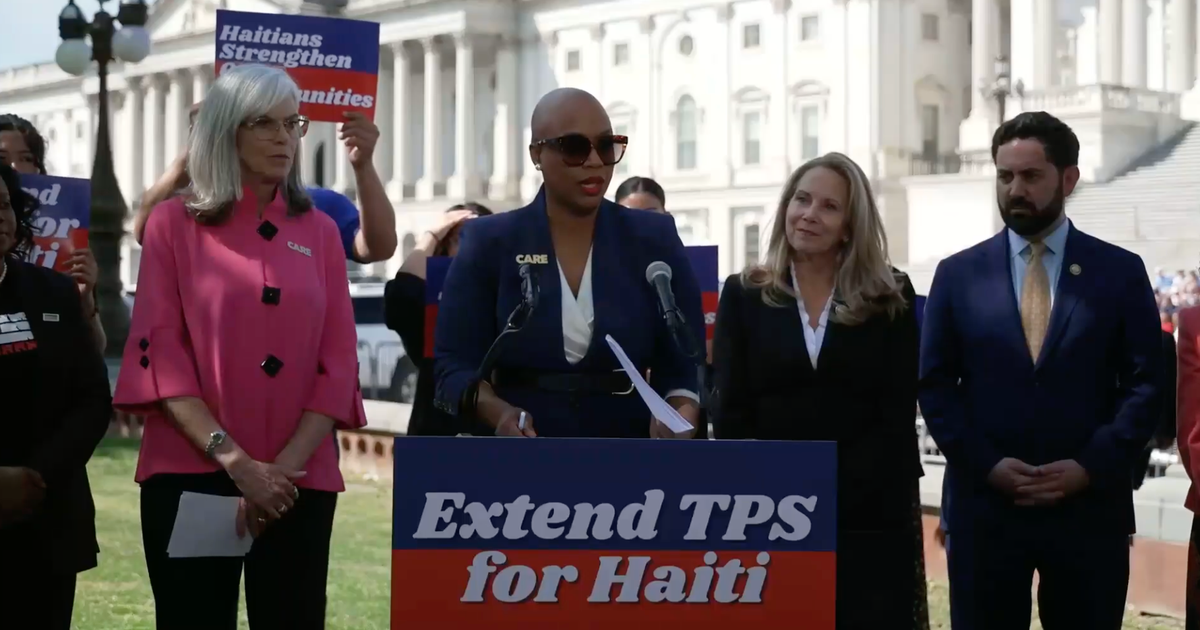
The U.S. House of Representatives voted Thursday to advance legislation that would extend Temporary Protected Status (TPS) for Haitian nationals living in the United States, marking a rare bipartisan rebuke of the Trump administration’s immigration enforcement agenda. The measure, which passed by a vote of 224 to 204, seeks to block the administration from terminating deportation protections for hundreds of thousands of Haitians who have resided in the U.S. Since the 2010 earthquake and subsequent crises in their homeland.
The bill, introduced last year by Democratic Rep. Laura Gillen of New York and co-sponsored by Republican Rep. Mike Lawler, would require the Department of Homeland Security to maintain TPS for eligible Haitian immigrants until 2029. Ten Republicans joined all Democrats in supporting the legislation, which now moves toward a final vote expected later this week. The outcome reflects growing concern among lawmakers about the safety conditions in Haiti, where ongoing gang violence, kidnappings, and institutional collapse have prompted international warnings against travel.
Rep. Ayanna Pressley of Massachusetts, a leading advocate for the measure and co-chair of the House Haiti Caucus, framed the vote as a moral imperative. “This is a critical step forward in our fight for immigrant justice and delivering our Haitian neighbors the protections they deserve,” Pressley said in a statement following the procedural vote that cleared the way for floor consideration. She emphasized the bipartisan nature of the effort, thanking Republican colleagues who crossed party lines to support the discharge petition that brought the bill to the House floor.
The legislative push comes amid a broader legal battle over the Trump administration’s efforts to finish TPS designations for nationals of Haiti, Syria, and other countries. A federal judge blocked the administration from terminating protections for Haitians in February, one day before they were set to lapse, and an appeals court panel subsequently declined to freeze that ruling. The Supreme Court is scheduled to hear arguments in the coming months on the legality of the administration’s broader attempt to roll back TPS for hundreds of thousands of immigrants.
Temporary Protected Status is a humanitarian measure that allows individuals from countries experiencing armed conflict, environmental disaster, or other extraordinary conditions to live and work legally in the United States for a limited, renewable period. For Haitians, TPS has been in place since 2010 following a devastating earthquake that killed over 200,000 people and displaced more than a million. Subsequent extensions have been granted due to cholera outbreaks, hurricane damage, and worsening security conditions.
Supporters of the bill argue that returning TPS holders to Haiti would expose them to life-threatening risks. The State Department has issued travel advisories warning against all travel to Haiti due to the prevalence of armed gangs that control large portions of Port-au-Prince and other urban centers. Kidnappings for ransom remain widespread, and basic services such as healthcare and sanitation are severely limited in many areas.
Opponents of the extension, primarily within the Republican leadership, have maintained that conditions in Haiti have improved sufficiently to justify ending the protections. They argue that TPS was intended as a temporary measure and that its continued renewal undermines immigration enforcement principles. However, the bipartisan vote in the House suggests a significant divergence from the administration’s position, particularly among members representing districts with large Haitian-American populations, such as those in Florida and New York.
The legislation now proceeds to a final vote in the House, where passage would send it to the Senate for consideration. If enacted, the bill would override the administration’s attempt to terminate TPS and extend protections through 2029. Advocacy groups have urged the Senate to take up the measure promptly, noting that thousands of Haitian TPS holders face uncertainty about their legal status and ability to remain employed and with their families.
As of April 16, 2026, the House is scheduled to vote on the final passage of the TPS extension bill later this week. The outcome will determine whether Congress successfully intervenes to preserve a humanitarian protection that has shielded Haitian immigrants from deportation for over a decade. For the most current information on the bill’s status and related immigration proceedings, the public can consult the official House website and the Congressional Record.
If you found this reporting informative, please consider sharing it with others who may be following developments in U.S. Immigration policy. Your engagement helps sustain independent, fact-based journalism that holds power to account and amplifies underreported stories.
Worth a look