
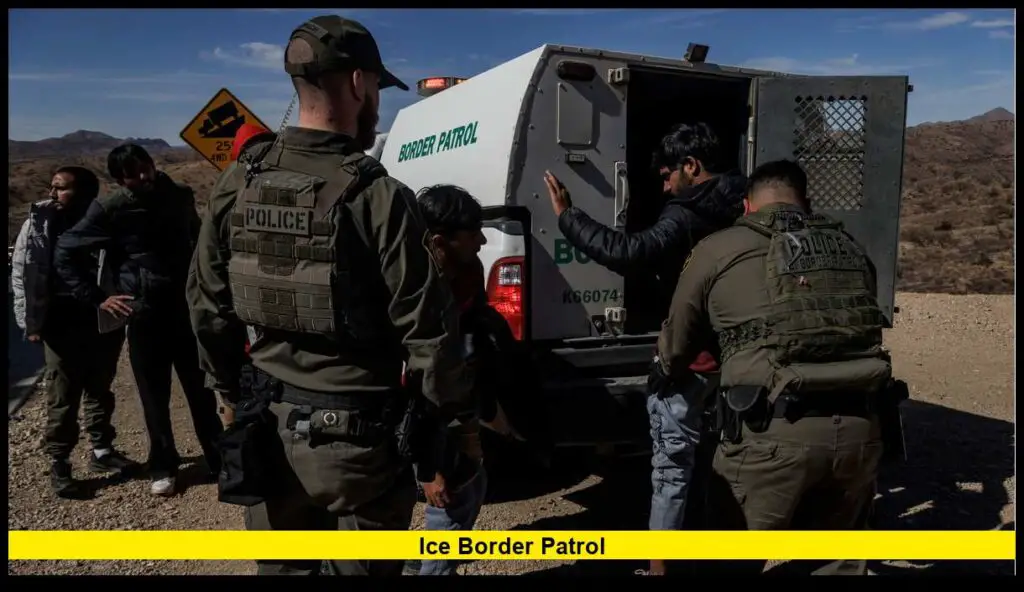
The United States House of Representatives has passed legislation to provide funding for U.S. Immigration and Customs Enforcement (ICE) and Customs and Border Protection (CBP), effectively extending resources through the remainder of the current presidential term. The measure, which faced weeks of legislative gridlock and procedural delays within the Republican-led chamber, aims to secure operational budgets for border security and interior enforcement agencies as the administration prepares for a transition in leadership, according to official congressional records.
This legislative action arrives following a period of intense negotiation regarding federal spending levels and immigration policy priorities. The funding package, often referred to as a stopgap or reconciliation-related measure depending on the specific legislative vehicle, ensures that both ICE and the Border Patrol maintain the necessary appropriations to continue their current enforcement mandates without immediate risk of a government shutdown in those specific sectors, as noted in reports from Reuters regarding recent federal budget proceedings.
Legislative Context and Funding Scope
The approved funding package addresses a core component of the Department of Homeland Security’s budget. By authorizing appropriations through the end of the term, the House has signaled a commitment to maintaining existing enforcement infrastructure. According to the Department of Homeland Security’s official budget documentation, these funds are earmarked for personnel salaries, detention facility maintenance, and technological upgrades at ports of entry, which remain critical to the agency’s daily operations.
The delay in passing this measure was largely attributed to internal party divisions within the House Republican caucus. While some members advocated for more restrictive immigration conditions as a prerequisite for funding, others prioritized the stability of agency operations. The final language of the bill reflects a compromise that, while not satisfying all factions, secured the necessary majority to move the legislation forward to the Senate, as confirmed by reporting from The Associated Press.
Impact on Immigration Enforcement Operations
For stakeholders and the public, the passage of this funding ensures that immigration enforcement operations will continue without the disruption that typically accompanies a lapse in appropriations. ICE, which manages the detention and removal of undocumented individuals, relies on these annual appropriations to manage its complex logistical network. According to the Government Accountability Office (GAO), the stability of this funding is essential for the agency to meet its mandated bed space requirements and coordinate with international partners on repatriation efforts.
Critics of the funding levels have raised concerns regarding the transparency of how these resources are utilized. Some advocacy groups argue that the current allocation ignores the need for broader immigration reform, focusing instead on enforcement-heavy approaches. Conversely, supporters contend that the funding is a non-negotiable requirement for national security and the maintenance of an orderly border, as outlined in recent statements from the White House Office of Management and Budget regarding the necessity of maintaining department functions.
What Happens Next for Federal Appropriations
With the House having acted, the legislation now moves to the Senate for consideration. If passed by the Senate and signed into law by the President, the funding will be locked in for the duration of the current term. Senate leadership has indicated that they intend to process the bill expeditiously to avoid any last-minute fiscal cliff, a process tracked by the Senate Legislative Information System.
Observers are now looking toward the next fiscal cycle, where the debate over immigration funding is expected to intensify. As the administration prepares for the upcoming transition, the baseline established by this bill will likely serve as the starting point for future budget negotiations. Readers seeking to follow these developments can monitor official updates through the Congress.gov portal, which provides real-time access to bill text, committee reports, and roll call votes. We invite our readers to share their perspectives on the implications of this funding in the comments section below.
Worth a look