
In a significant assertion of legislative oversight, the United States House of Representatives has moved to restrict the executive branch’s authority to conduct unilateral military operations against Iran. The vote, centered on a resolution under the War Powers Resolution of 1973, represents a decisive attempt by lawmakers to reassert congressional control over the decision to engage in armed conflict.
The legislative action comes amidst heightened geopolitical tensions in the Middle East, as the administration faces increasing pressure to manage its confrontational stance toward Tehran. By passing this measure, a coalition of lawmakers has signaled that the use of military force must be subject to the constitutional checks and balances intended to prevent undeclared wars.
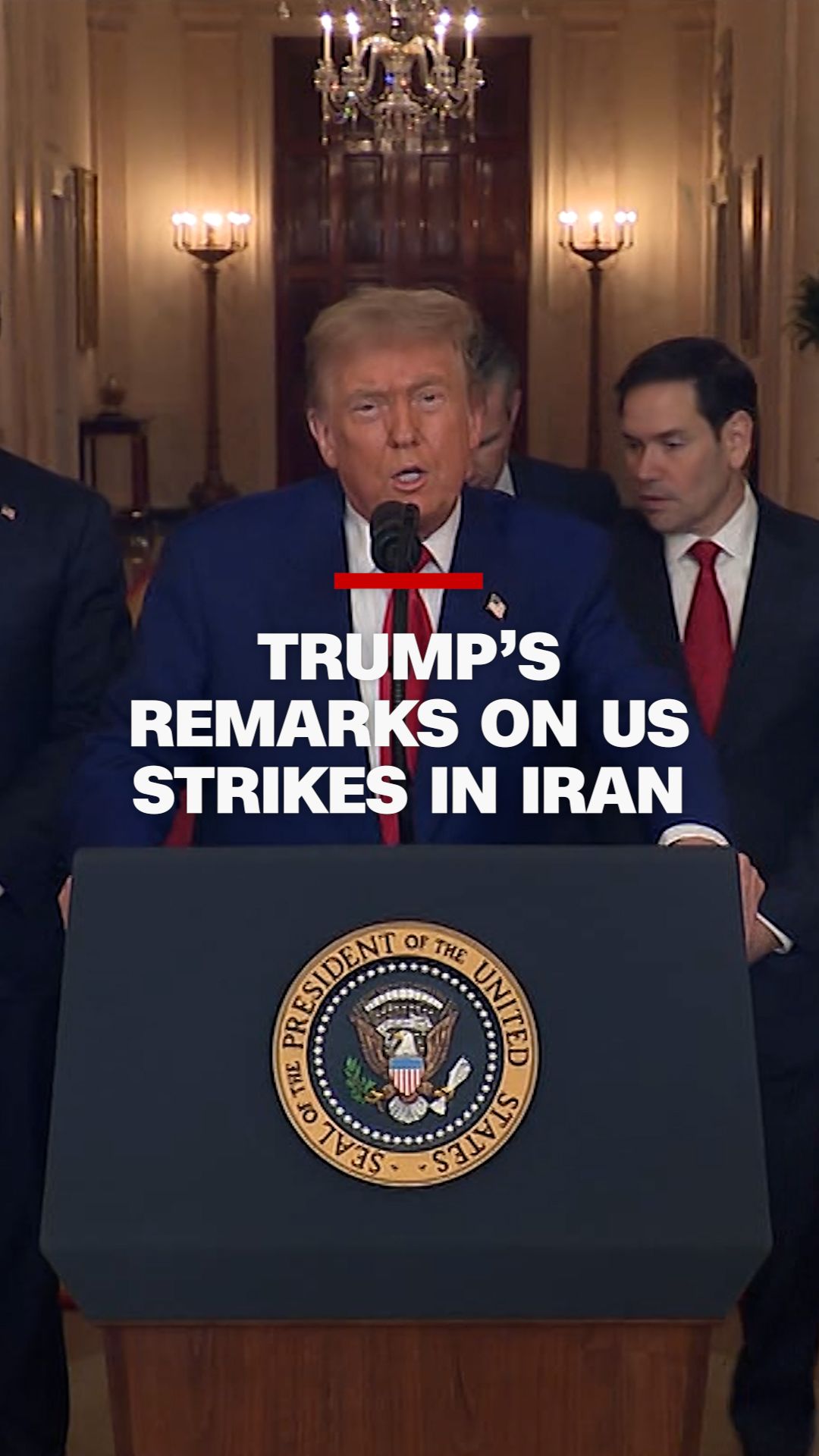
The House vote to block Trump from ordering more strikes on Iran has not only ignited a fierce debate over foreign policy strategy but has also exposed deep ideological fractures within the Republican Party. While the move was supported by a bipartisan group of legislators, it has met with intense condemnation from President Donald Trump, who characterized the dissenters as undermining national security.
The Legislative Maneuver: Understanding the Resolution
The resolution passed by the House is designed to function as a statutory check on the President’s ability to deploy the U.S. Military against Iranian targets without explicit congressional authorization. Under the framework of the War Powers Resolution, the President is required to notify Congress within 48 hours of committing armed forces to military action and is generally limited to a 60-day window of engagement unless Congress grants further authority.
Lawmakers who supported the resolution argued that the potential for a large-scale military escalation with Iran poses an unacceptable risk to global stability and American service members. The central argument posits that the decision to enter a conflict of such magnitude—one that could potentially involve multiple regional allies and trigger a broader Middle Eastern war—must be a collective decision made by the people’s representatives, rather than a unilateral executive decree.
The vote tally reflected a complex political landscape. While Democratic members largely moved in unison to support the measure, the most significant political impact stemmed from the number of Republicans who broke with the administration. These “defectors” argued that while they support a strong stance against Iranian aggression, they do not support the bypass of constitutional processes to achieve it.
Political Fractures: Trump’s Reaction and GOP Defections
The fallout from the vote was immediate and highly charged. President Trump did not mince words in his response, targeting the Republican members who voted in favor of the resolution. In a series of sharp rebukes, the President labeled these lawmakers as “unpatriotic” and suggested that their actions weakened the United States’ position on the global stage.

This rhetoric has placed Republican members in a hard political position. For many, the choice was between absolute loyalty to the President’s “maximum pressure” campaign against Iran and adherence to the traditional principle of congressional oversight. The President’s characterization of these members as “bad Republicans” suggests that the rift over foreign policy and executive power may have lasting implications for the party’s internal cohesion.
Political analysts suggest that this moment highlights a growing trend of “institutionalist” Republicans who, despite their alignment with the administration on many domestic issues, remain committed to the formal separation of powers. This tension is expected to intensify as the administration continues to navigate high-stakes diplomatic and military challenges in the Persian Gulf.
The Constitutional Tug-of-War: War Powers and Executive Limits
To understand the gravity of this vote, one must look at the historical and legal context of the War Powers Resolution. Born out of the controversies of the Vietnam War, the 1973 Act was intended to curb the presidency’s ability to wage long-term, undeclared conflicts. For decades, the tension between Article I (which grants Congress the power to declare war) and Article II (which designates the President as Commander-in-Chief) of the U.S. Constitution has been a central theme in American jurisprudence.
The current dispute underscores a fundamental disagreement over the scope of executive authority. The administration maintains that the President possesses the inherent authority to take necessary actions to defend the nation and its interests from immediate threats. Conversely, proponents of the House resolution argue that the “inherent authority” doctrine cannot be used to circumvent the legislative branch’s mandate to oversee the nation’s entry into war.
Legal scholars note that This represents not merely a political disagreement but a profound constitutional debate. If the President continues to act without congressional consent, it could lead to further legal challenges and a potential crisis of authority. The House’s action serves as a formal “warning shot,” intended to remind the executive branch that the power to commit the nation to war is not an absolute prerogative.
Geopolitical Implications: The Stakes of Escalation
The legislative attempt to block potential strikes on Iran occurs against a backdrop of extreme volatility in the Middle East. The relationship between Washington and Tehran has reached a nadir, characterized by proxy conflicts, maritime security concerns in the Strait of Hormuz, and ongoing disputes regarding Iran’s nuclear capabilities.
A direct military strike on Iranian soil would likely trigger a cascade of retaliatory actions. Experts warn that such an escalation could include:
- Asymmetric Warfare: Increased activity from Iranian-backed militias in Iraq, Syria, Lebanon, and Yemen.
- Maritime Disruption: Threats to oil tanker transit through critical chokepoints, potentially destabilizing global energy markets.
- Nuclear Proliferation: A potential shift in Iran’s nuclear policy, moving toward more rapid enrichment or weaponization in response to perceived existential threats.
By attempting to limit the President’s ability to act unilaterally, Congress is effectively attempting to force a more deliberative, diplomatic approach to the Iran problem. The goal, as stated by many supporters of the resolution, is to ensure that any military action taken is part of a broader, clearly defined national strategy rather than a reactive or impulsive strike.
Key Takeaways: The House-Iran Conflict
- Legislative Intent: The House passed a resolution to limit the President’s ability to launch military strikes against Iran without congressional approval.
- Constitutional Basis: The move utilizes the War Powers Resolution of 1973 to reassert legislative oversight.
- Political Fallout: President Trump has criticized dissenting Republicans as “unpatriotic,” creating a significant rift within the GOP.
- Geopolitical Risk: The vote aims to prevent unplanned military escalation that could destabilize the Middle East and global energy security.
- Core Conflict: The situation highlights the ongoing legal struggle between Article I (Congress) and Article II (President) of the Constitution.
As the situation evolves, the focus will shift to the Senate and whether the administration will attempt to bypass the resolution through other executive mechanisms. The international community remains watchful, as the balance of power between the White House and Capitol Hill will dictate the trajectory of U.S. Involvement in the Middle East for months to come.
Next Scheduled Development: The administration’s response to the resolution and any subsequent Senate action regarding war powers oversight are expected in the coming legislative session.
What are your thoughts on the balance of power between the President and Congress in matters of war? Should the legislature have more control over military strikes? Let us know in the comments below and share this report with your network.
Keep reading