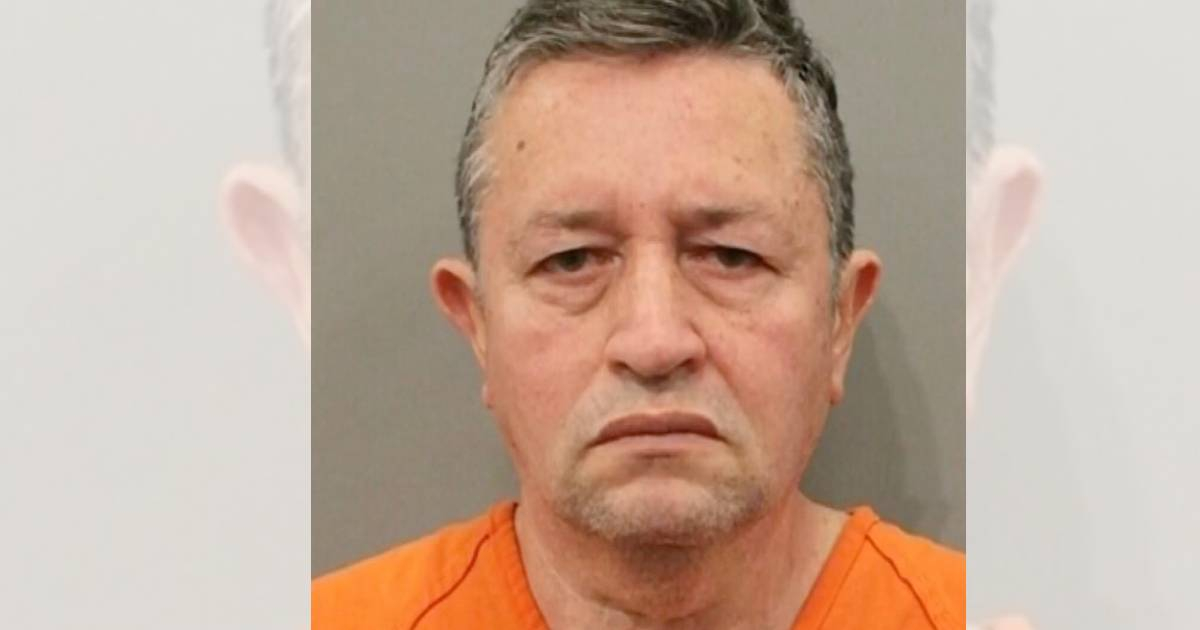
Houston, Texas – A 61-year-old Cuban man has been arrested and charged with practicing dentistry without a license, authorities announced this week. Eduardo Rivero Ríos allegedly operated an illegal dental clinic out of his apartment in the Sharpstown area, providing services such as extractions and cleanings to patients. The case highlights the risks associated with seeking dental care from unlicensed providers and raises questions about access to affordable healthcare within immigrant communities.
According to court documents, Rivero Ríos was taken into custody on Tuesday afternoon after police responded to reports of potential unlicensed dental activity at his residence. Officers found several individuals waiting to receive treatment, as reported by ABC13. Rivero Ríos reportedly confessed to performing dental procedures, claiming to hold valid licenses to practice in Cuba and Venezuela. However, officials with the Texas State Board of Dental Examiners have confirmed that he does not possess a license to practice dentistry in Texas, a requirement mandated by state law.
Allegations and Charges
The charges against Rivero Ríos stem from allegations that he knowingly and intentionally engaged in the practice of dentistry without the necessary credentials. CiberCuba reported that he made his initial appearance in Harris County court, where the accusation was formally presented. If convicted, Rivero Ríos could face a third-degree felony charge, potentially resulting in a prison sentence of up to 10 years, according to attorney Kevin Acevedo, who was cited by Telemundo Houston but is not involved in the case.
The Texas State Board of Dental Examiners plays a crucial role in regulating the dental profession and protecting public health. The board is responsible for licensing dentists, investigating complaints and enforcing state dental laws. Practicing dentistry without a valid license is a serious offense, as it poses significant risks to patients. The board’s website provides resources for verifying a dentist’s license and reporting suspected illegal activity.
Health Risks of Unlicensed Dental Care
Dental professionals and public health experts have warned about the dangers of seeking treatment from unregistered clinics or individuals. Dr. Karol Bryant, a pediatric dentistry specialist, emphasized the potential for the spread of infectious diseases, such as hepatitis B, hepatitis C, and even HIV, due to inadequate sanitary controls. Houston Today highlighted this concern, noting that unregistered clinics may not adhere to the rigorous sterilization and hygiene standards required to prevent cross-contamination.
The lack of proper training and qualifications among unlicensed practitioners also raises concerns about the quality of care provided. Incorrect diagnoses, improper treatment techniques, and the use of substandard materials can lead to serious complications and long-term health problems. Patients who suspect they may have received substandard care from an unlicensed provider should seek immediate evaluation from a licensed dentist.
The Role of Access and Affordability
The case of Eduardo Rivero Ríos also sheds light on the challenges faced by individuals seeking affordable dental care, particularly within immigrant communities. Jorge Olvera, an advocate for immigrant healthcare, explained to ABC13 that some foreign-trained professionals may resort to offering unlicensed services due to difficulties in navigating the U.S. Licensing system or financial constraints. He also noted that fear of deportation or lack of insurance can deter some immigrants from seeking care at established clinics and hospitals, leading them to seek cheaper, albeit potentially unsafe, alternatives.
This situation underscores the need for greater access to affordable dental care for all individuals, regardless of their immigration status or socioeconomic background. Community health centers, dental schools, and government-funded programs can play a vital role in providing low-cost or free dental services to underserved populations. Efforts to streamline the licensing process for qualified foreign-trained professionals could also help address the shortage of dental providers in certain areas.
Legal Ramifications and Current Status
Rivero Ríos has been released on a $1,000 bond, according to court records. He has no prior criminal record in Harris County. The investigation is ongoing, and prosecutors are preparing to present their case in court. The outcome of the case will likely depend on the evidence presented and the judge’s interpretation of the law. A conviction could result in a significant prison sentence and a criminal record, potentially impacting Rivero Ríos’s future opportunities.
The legal ramifications for practicing dentistry without a license are substantial. Texas law clearly defines the requirements for obtaining a dental license and prohibits individuals from engaging in dental practice without proper authorization. The penalties for violating these laws are designed to deter unlicensed activity and protect the public from harm. The Texas State Board of Dental Examiners actively investigates reports of unlicensed practice and takes enforcement action against those who violate the law.
Looking Ahead
This case serves as a stark reminder of the importance of verifying the credentials of healthcare providers before seeking treatment. Patients should always ensure that their dentist is licensed and qualified to provide the services they need. The Texas State Board of Dental Examiners offers an online tool for verifying a dentist’s license, which can be accessed on their website.
Beyond this specific case, the broader issue of access to affordable and quality dental care remains a significant challenge. Addressing this challenge will require a multi-faceted approach, including expanding access to insurance coverage, increasing funding for community health centers, and streamlining the licensing process for qualified professionals.
The next step in this case will be the ongoing legal proceedings against Eduardo Rivero Ríos. Further updates will be provided as they become available. In the meantime, authorities urge anyone who may have received dental treatment from Rivero Ríos to contact the Texas State Board of Dental Examiners to report their experience and seek guidance on potential health risks.
Do you have thoughts on this story? Share your comments below, and please consider sharing this article with your network to raise awareness about the importance of licensed dental care.
Keep reading