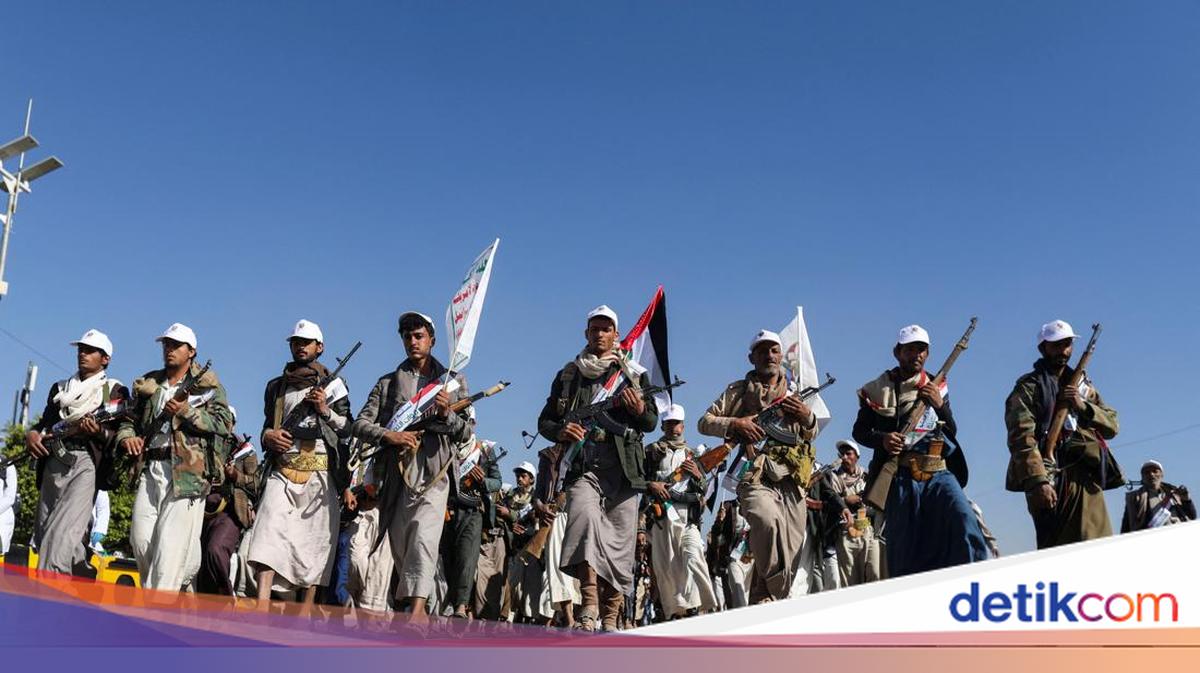
The Houthi movement in Yemen has issued a stark warning that it may close the Bab al-Mandeb Strait if former U.S. President Donald Trump’s return to office jeopardizes ongoing peace efforts in the region. The threat underscores the group’s continued leverage over one of the world’s most critical maritime chokepoints, through which approximately 12% of global trade passes annually, including significant volumes of oil and liquefied natural gas. Analysts warn that any disruption to shipping in the narrow waterway between Yemen and Djibouti could trigger immediate spikes in energy prices and further strain already fragile global supply chains.
The statement reflects the Houthis’ broader strategy of using their control over parts of Yemen’s western coast to influence regional geopolitics, particularly in relation to the Israel-Hamas conflict and U.S. Policy in the Middle East. Since late 2023, the Iran-aligned group has launched numerous drone and missile attacks on commercial vessels in the Red Sea, claiming they are linked to Israel or its allies. These actions have prompted a sustained U.S.-led naval response, Operation Prosperity Guardian, aimed at safeguarding freedom of navigation in the area. Despite international pressure, the Houthis have shown no signs of ceasing their campaign, insisting it will continue until Israel halts its military operations in Gaza.
Recent intelligence assessments suggest that although the Houthis lack the technical capacity to permanently seal the Bab al-Mandeb Strait, they possess sufficient asymmetric capabilities—including anti-ship missiles, explosive-laden drones, and naval mines—to intermittently disrupt traffic and raise insurance premiums for shipping companies. According to the U.K. Maritime Trade Operations (UKMTO), over 60 vessels have reported Houthi-related incidents since November 2023, with several sustaining damage. The group’s rhetoric has grown increasingly theatrical, at times invoking supernatural imagery, such as claiming that “neither humans nor jinn” could reopen the strait if they chose to close it—a phrase echoed in regional media but not substantiated by military analysts.
Verifiable details about the group’s leadership remain limited due to the clandestine nature of Houthi command structures. However, Abdul Malik al-Houthi, the movement’s supreme leader, has repeatedly framed maritime actions as a religious and political duty in speeches broadcast via Houthi-controlled media. In a televised address in January 2024, he warned that any attempt to undermine Yemeni sovereignty—including perceived U.S. Interference in peace talks—would provoke a “stronger and more expansive” response. While no direct quote from al-Houthi specifically linking Trump to a potential strait closure has been independently verified, his broader rhetoric consistently ties U.S. Policy to regional instability.
The potential for renewed U.S. Engagement under a Trump administration adds complexity to an already volatile situation. During his first term, Trump withdrew U.S. Support for the UN-led peace process in Yemen and designated the Houthis as a foreign terrorist organization—a designation later revoked by the Biden administration. His return could signal a shift toward a more confrontational stance toward Iran and its proxies, potentially escalating tensions rather than de-escalating them. Conversely, some analysts argue that Trump’s transactional approach might open space for negotiated settlements if framed as a deal benefiting U.S. Interests, though no concrete proposals have emerged.
Geopolitical Significance of Bab al-Mandeb
The Bab al-Mandeb Strait, meaning “Gate of Tears” in Arabic, is a narrow passage connecting the Red Sea to the Gulf of Aden and the Indian Ocean. At its narrowest point, it spans just 18 miles (29 kilometers) between Yemen’s coast and Djibouti, making it inherently vulnerable to blockade or mining. Alongside the Suez Canal and the Strait of Hormuz, it forms one of the three critical maritime gateways for trade between Europe, Asia, and Africa. Disruption here forces ships to reroute around the Cape of Good Hope, adding up to 10 days to voyages and increasing fuel costs by an estimated 15–20%, according to data from Lloyd’s List Intelligence.
Beyond commercial shipping, the strait holds strategic military value. Djibouti hosts bases for the United States, France, China, and Japan, reflecting its importance in counterterrorism, anti-piracy, and power projection operations in the Horn of Africa. The U.S. Naval Support Activity Djibouti, home to Camp Lemonnier, is the only permanent U.S. Military base in Africa and serves as a hub for drone operations and special forces missions across the region. Any Houthi attempt to threaten access to the strait therefore risks drawing direct military confrontation with multiple foreign powers.
Environmental concerns also arise from the prospect of conflict in the area. The Red Sea contains unique coral ecosystems and endangered marine species, and oil spills from damaged vessels could have long-lasting ecological consequences. Regional environmental groups have warned that increased militarization raises the risk of accidents involving fuel tankers or chemical carriers, particularly given the age and condition of some vessels using the route.
Humanitarian Impact and Regional Risks
While the Houthis frame their maritime campaign as a tool of pressure on Israel and its allies, the broader Yemeni population continues to suffer from one of the world’s worst humanitarian crises. Over 80% of Yemen’s 30 million people require some form of humanitarian assistance, according to the United Nations Office for the Coordination of Humanitarian Affairs (OCHA). The country remains devastated by nearly a decade of civil war, economic collapse, and intermittent famine, with basic services like healthcare and clean water inaccessible to large segments of the population.
Escalation in the Red Sea could worsen conditions by disrupting aid shipments to Yemen’s Red Sea ports, such as Hodeidah and Salif, which are vital lifelines for food and fuel imports. The World Food Programme (WFP) has previously reported delays in aid delivery due to insecurity and bureaucratic hurdles imposed by competing factions. Any further reduction in maritime access would likely deepen food insecurity, particularly in coastal governorates already on the brink of catastrophe.
Neighboring countries are also on high alert. Saudi Arabia, which leads a military coalition opposing the Houthis, has invested heavily in coastal defense systems and conducted regular patrols along its Red Sea frontier. Egypt, which relies on Suez Canal revenues for a significant portion of its foreign currency earnings, views any threat to Red Sea shipping as a direct economic risk. In early 2024, Egyptian officials publicly stated that they would not tolerate any closure of the Bab al-Mandeb, citing national security interests.
International Response and Outlook
The international community has responded with a mix of deterrence and diplomacy. The U.S.-led Operation Prosperity Guardian involves warships from the United Kingdom, Bahrain, Canada, France, Italy, and the Netherlands, conducting escorted transits and intercepting hostile drones and missiles. In January 2024, U.S. Central Command confirmed that its forces had shot down over 30 Houthi-launched drones and missiles since the operation began. While these efforts have reduced successful attacks, they have not stopped the group’s ability to launch them.
Diplomatic channels remain active but strained. UN Special Envoy for Yemen Hans Grundberg has repeatedly called for a ceasefire and inclusive political process, noting that military solutions have failed to resolve the conflict. However, the Houthis have demanded preconditions—including the full lifting of blockades and cessation of Saudi-led airstrikes—before engaging in talks, a stance rejected by the Yemeni government and its allies. As of mid-2024, no breakthrough has been achieved, and the risk of regional spillover persists.
Looking ahead, the next key development to watch is the outcome of any potential U.S. Policy shift following the 2024 presidential election. Should Trump return to office, his administration’s approach to Iran, Yemen, and maritime security will be closely monitored by regional actors and global markets alike. For now, the Bab al-Mandeb remains open—but under persistent threat.
Stay informed about developments in global maritime security and regional conflicts. Share this article to assist others understand the stakes, and join the conversation in the comments below.