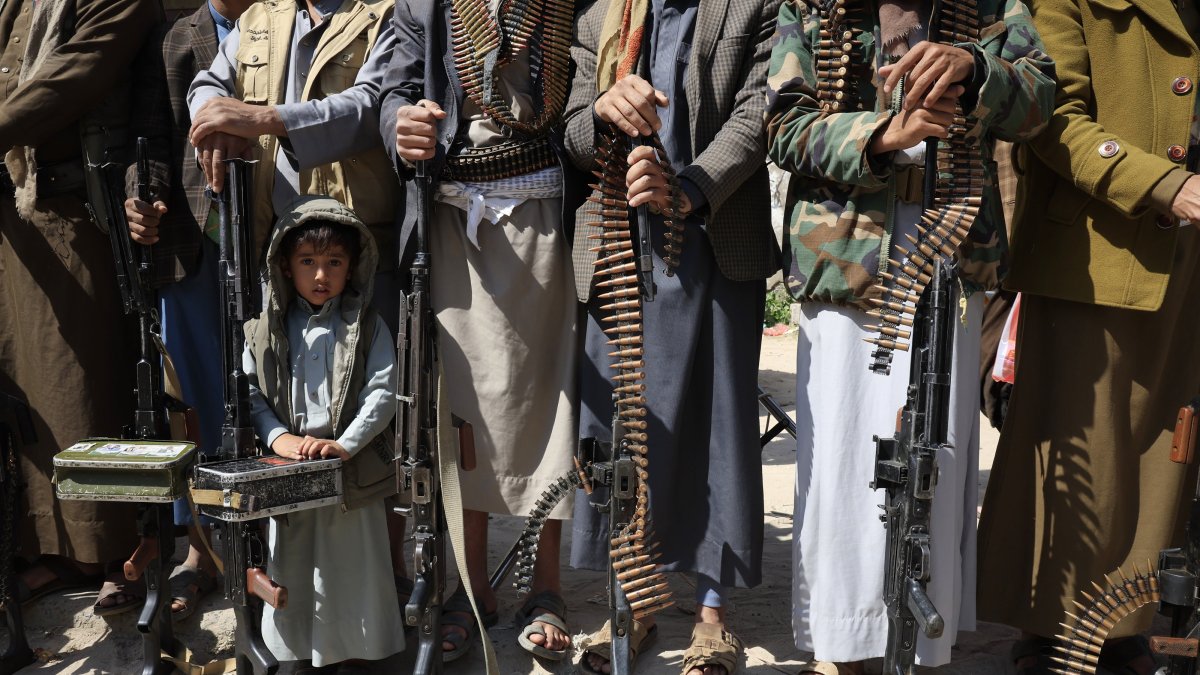
Yemen at a Crossroads: The Shifting Sands of Regional Power
The conflict in Yemen is entering a precarious new phase. Years of proxy warfare have left the nation fractured, and recent events suggest a dramatic shift in the dynamics at play. You’re likely aware of the ongoing instability,but understanding the why behind the current situation is crucial for grasping the potential consequences.
A Weakening Alliance
For years, the Houthi movement has been seen as an extension of Iranian influence in the region. However, that perception is rapidly changing. Increasingly, even within Iran itself, the Houthis are viewed less as reliable partners and more as a source of complications. This erosion of support is a critical turning point.
The recent israeli strike against Houthi targets has exposed vulnerabilities previously masked by the group’s rhetoric. It’s a stark demonstration of their limited capabilities and a signal that the status quo is unsustainable.
Stalled Negotiations and Rising Tensions
Currently, diplomatic efforts to de-escalate the conflict are at a standstill. Oman’s attempts to restart dialog between the Houthis, Saudi Arabia, and Western diplomats have regrettably failed. Each side is locked in a waiting game, and the resulting silence is filled with escalating threats.
The Houthis are warning of renewed attacks on Saudi oil infrastructure, while Saudi Arabia is responding with firm declarations of its right to self-defense.Patience is wearing thin on all sides, and the risk of a full-scale resumption of hostilities is growing.
Preparing for a New phase
Across the Gulf, regional leaders recognize that the Yemen situation cannot remain frozen indefinitely. If Iran becomes preoccupied with escalating tensions with Israel, the houthis will lose a key protector. This realization is prompting a flurry of activity.
Regional powers are actively strengthening their defenses and retraining Yemeni forces, preparing for what many believe is an unavoidable next phase of conflict.This isn’t simply about military preparedness; it’s about reshaping the regional order.
The Erosion of the Houthi Narrative
The Houthis have long cultivated an image of themselves as champions of resistance, fighting against imperialism and foreign control. However,that carefully constructed narrative is crumbling.
today, the group is largely perceived as ruling through intimidation, relying on dwindling support from allies, and attempting to conceal its failures behind revolutionary slogans. The reality on the ground is a far cry from the liberation they promised.
What Remains? A Movement in Decay
What’s left in Yemen isn’t a path to freedom, but a slow and painful decline. The Israeli strike revealed their military weakness. Iran’s potential distraction has removed their protective shield. Shifting alliances are closing in, isolating the group further.
If fighting resumes, it will be a watershed moment, a broader reckoning for the entire region. After years of proxy battles, regional powers may finally attempt to directly reassert control.
A Critical Opportunity for Yemen
Yemen’s future now hinges on a crucial question: can its leaders seize the opportunity presented by the potential fall of the Houthis to build a new,inclusive order? Or will the nation be consumed by yet another wave of conflict?
This is a pivotal moment. The path forward requires courageous leadership, a commitment to inclusivity, and a willingness to break with the cycles of violence that have plagued Yemen for far too long. The stakes are incredibly high, not just for Yemen, but for the stability of the entire region.
![Clean Governance: National Push for Ethical Municipalities | [Year]](https://i0.wp.com/idsb.tmgrup.com.tr/ly/uploads/images/2025/11/24/thumbs/1200x675/413057.jpg?resize=150%2C150&ssl=1 "Clean Governance: National Push for Ethical Municipalities | [Year]")