The landscape of modern warfare is shifting beneath our feet, moving away from the purely human-centric intelligence gathering of the past toward a model where artificial intelligence acts as a foundational pillar for decision-making. As the U.S. Military integrates these advanced technologies into its tactical framework, the focus has turned to how artificial intelligence processes battlefield intelligence in real time, fundamentally altering the speed and accuracy with which commanders can respond to evolving threats.
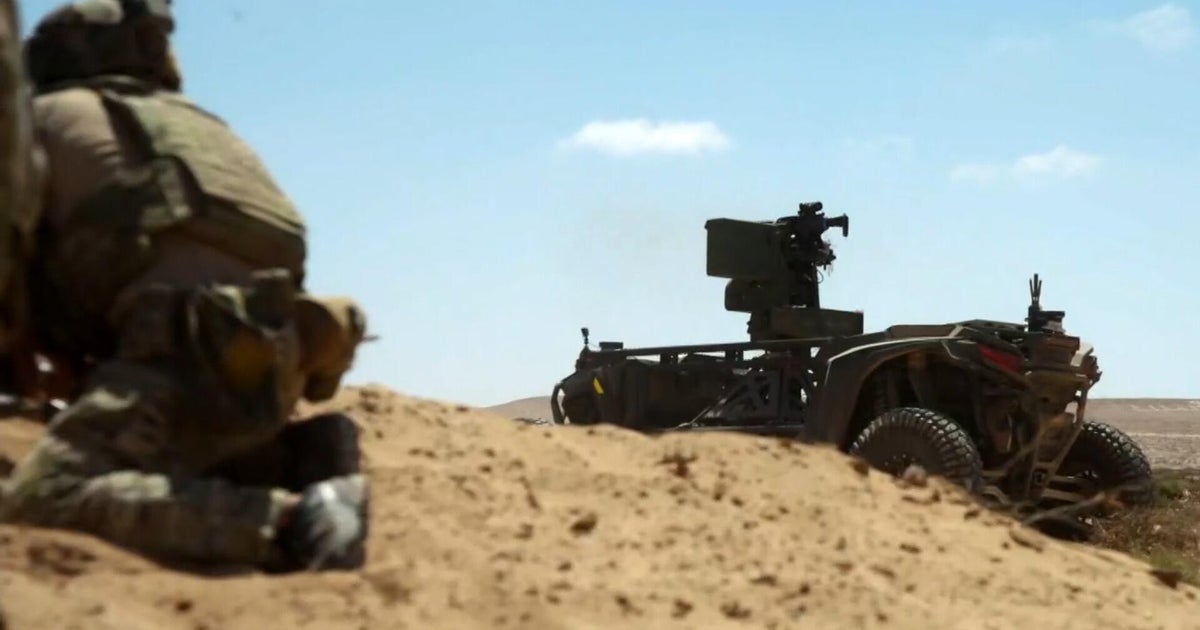
This transition is not merely theoretical. In recent field exercises, such as those conducted in Morocco, military personnel have been operating alongside AI-driven systems designed to synthesize vast amounts of data—ranging from sensor feeds to satellite imagery—into actionable insights. By leveraging these tools, the U.S. Military aims to reduce the “cognitive load” on commanders, allowing them to focus on strategic outcomes rather than the manual interpretation of raw information. This evolution represents a significant leap in Department of Defense efforts to achieve information advantage through technological superiority.
The Mechanics of AI-Driven Tactical Intelligence
At its core, the use of artificial intelligence in training and combat scenarios is focused on pattern recognition and predictive analysis. When we discuss the U.S. Military’s war games using AI, we are observing a system that can identify anomalies in terrain, predict logistical bottlenecks, and monitor enemy movements with a precision that was previously unattainable within such short timeframes. The goal is to shorten the “OODA loop”—the Observe, Orient, Decide, Act cycle—which has been a staple of military strategy since the mid-20th century.
In practice, this means that during complex exercises, AI algorithms act as a force multiplier. By filtering through the “noise” of modern electronic warfare, these systems highlight the most relevant signals for human operators. However, military doctrine remains firm on the role of human oversight. The current Chief Digital and Artificial Intelligence Office (CDAO) emphasizes that while AI provides the recommendation, the ultimate authority for lethal action and strategic movement remains with human commanders, ensuring that ethical and legal standards are maintained throughout the process.
Training for a High-Tech Future
The integration of AI into training exercises, such as those observed in North Africa, serves as a stress test for both the software and the troops. These environments are designed to replicate the “fog of war” while introducing the variable of rapid-fire data processing. Soldiers are learning to interact with interfaces that provide predictive modeling, allowing them to anticipate potential ambushes or supply chain disruptions before they manifest in the physical world.
This shift has profound implications for how the military recruits and trains its personnel. It is no longer enough to be proficient in traditional field craft; modern service members must also be “digitally fluent.” The Department of Defense’s strategy for data, analytics, and AI adoption underscores the necessity of creating a culture that trusts data-driven insights while remaining skeptical of potential algorithmic bias or adversarial manipulation. Training exercises are the primary venue for building this necessary trust.
Challenges and Ethical Considerations
Despite the tactical advantages, the deployment of AI in military contexts is not without significant challenges. Cybersecurity remains a primary concern; if an adversarial force were to gain access to or “poison” the data feeding an AI system, the consequences could be disastrous. The international community continues to debate the ethics of autonomous systems. The U.S. Military has responded to these concerns by establishing clear ethical principles for artificial intelligence, which prioritize responsibility, equitability, and reliability in the development and use of these tools.
- Responsibility: Ensuring that human beings remain accountable for the development, deployment, and use of AI systems.
- Equitability: Minimizing unintended bias in AI capabilities to ensure that systems do not produce discriminatory outcomes.
- Traceability: Maintaining transparent and auditable logs of AI decision-making processes to ensure accountability.
- Reliability: Testing systems rigorously to ensure they function as intended across a wide range of operational environments.
- Governableness: Designing systems to possess the ability to detect and deactivate unintended behaviors.
What Happens Next
The path forward involves a continuous cycle of experimentation and refinement. As the technology matures, we can expect to see AI integrated into increasingly complex autonomous platforms, from unmanned aerial vehicles to logistical support networks. The next major checkpoint for these initiatives will be the upcoming annual review of the Chief Digital and Artificial Intelligence Office’s (CDAO) progress reports, which are expected to detail the scalability of these AI tools across various combatant commands.
As we continue to monitor these developments, the integration of artificial intelligence is not just a trend, but a fundamental transformation of the military landscape. Understanding these changes is essential for any observer of global security. We invite our readers to share their thoughts on the balance between technological advancement and human oversight in the comments section below, and to follow our ongoing coverage as we track the next phase of this digital evolution in international defense.
Worth a look