
BNP Paribas, Europe’s largest bank, has outlined a significant strategic shift for its Belgian subsidiary, BNP Paribas Fortis, as the financial sector grapples with the transformative influence of artificial intelligence. In its latest industrial plan, the group indicated that it aims to leverage generative AI and automation to streamline operations, projecting that these technological efficiencies will effectively handle the equivalent of 1,000 full-time positions by 2028. This move is part of a broader, group-wide effort to enhance profitability and operational agility across its commercial banking divisions.
As the financial industry faces increasing pressure to reduce cost-to-income ratios in a high-interest-rate environment, BNP Paribas is looking to technology to bridge the gap. According to the bank’s official financial disclosures and strategic updates, the objective is to optimize the performance of its Commercial, Personal Banking and Services (CPBS) segment. For the Belgian market specifically, the integration of AI is not merely a cost-cutting exercise but a fundamental retooling of how the bank services its retail and corporate clients.
The Strategic Rationale Behind AI Integration
The decision to automate tasks equivalent to 1,000 roles is rooted in the bank’s ambition to improve its Return on Tangible Equity (ROTE). BNP Paribas has set clear financial targets, aiming for a contribution increase of approximately 0.5% from its Belgian commercial banking operations by 2028. This target is detailed in the bank’s latest strategic roadmap, which emphasizes the modernization of IT infrastructure and the deployment of advanced data analytics to support both front-office and back-office functions.
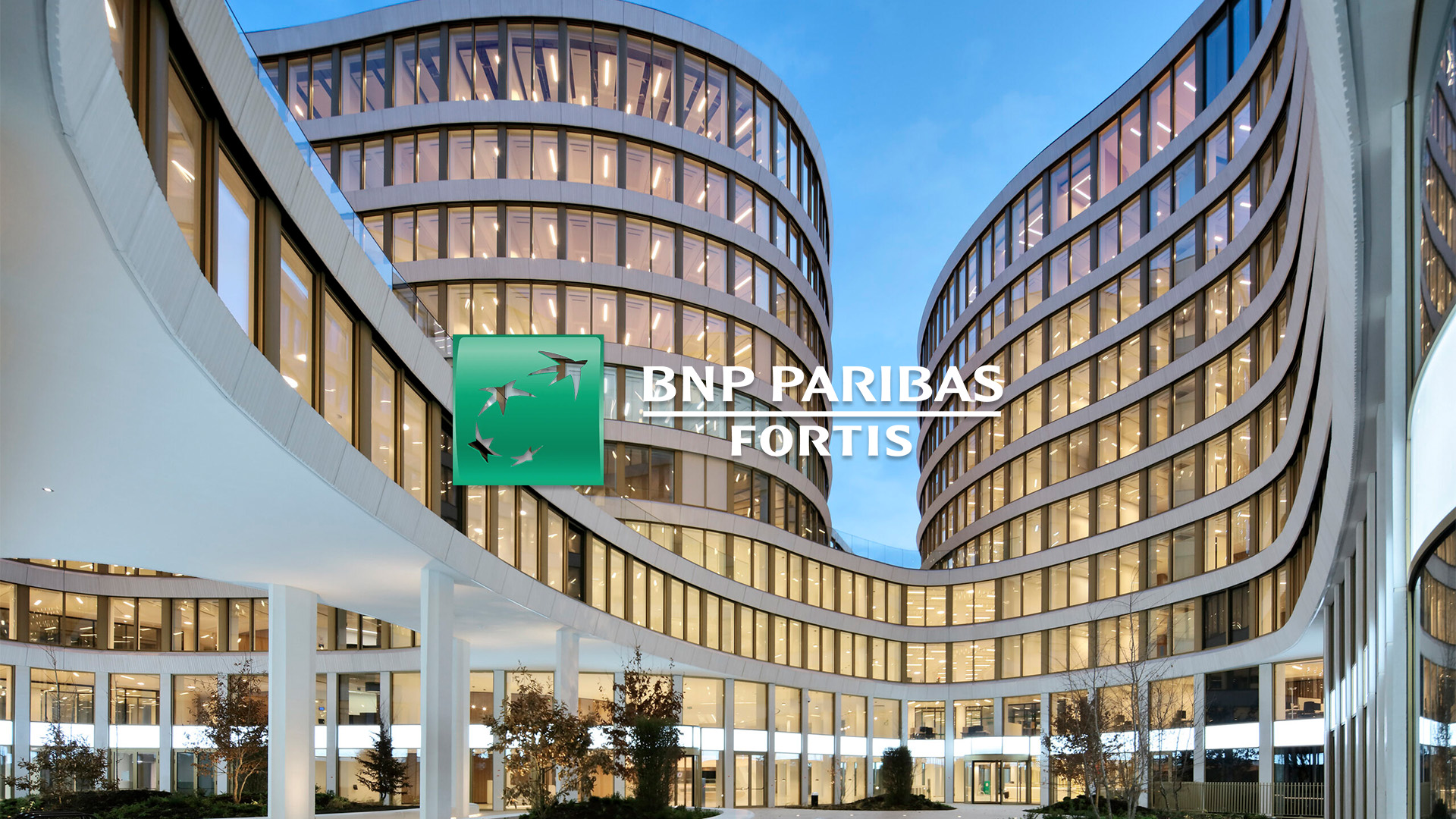
In the context of European banking, this strategy aligns with a wider trend of digital transformation. Financial institutions are increasingly adopting machine learning algorithms to automate complex document processing, enhance fraud detection and provide personalized financial advice through digital interfaces. By shifting the workload of 1,000 employees toward AI-driven processes, the bank aims to reduce manual intervention in routine administrative tasks, thereby allowing human talent to focus on higher-value advisory services and complex client relationships.
Impact on the Workforce and Operational Continuity
The announcement has inevitably sparked discussions regarding the future of the banking workforce in Belgium. While the figure of 1,000 positions is significant, industry analysts note that such transitions are rarely sudden. Instead, they typically involve a combination of natural attrition, internal redeployment, and the retraining of staff to work alongside new AI tools. The bank has signaled that it intends to manage this transition with a focus on internal mobility, though the long-term implications for hiring patterns remain a subject of scrutiny.

From an economic policy perspective, the shift reflects the ongoing “productivity paradox” in the service sector. While technology promises higher efficiency, the implementation phase requires substantial capital expenditure and a period of organizational adjustment. BNP Paribas has committed to ongoing investment in its digital platform, aiming to ensure that its Belgian commercial banking services remain competitive in an era where neobanks and fintechs are challenging traditional incumbents with lower cost structures.
Key Takeaways: What This Means for the Market
- Efficiency Targets: BNP Paribas is targeting a 0.5% boost in the ROTE contribution from its Belgian operations by 2028 through AI-led automation.
- Operational Scope: The bank expects AI to handle the workload equivalent to 1,000 full-time roles, focusing on streamlining internal processes.
- Strategic Focus: The transition is part of a broader effort to optimize the Commercial, Personal Banking and Services (CPBS) segment across the entire group.
- Workforce Transition: The bank emphasizes a strategy of internal mobility and skill development to mitigate the impact on current staff members.
Navigating the Future of Banking Technology
For investors and stakeholders, the next three years will be critical. The bank’s progress toward these efficiency goals will likely be reported in its annual results and investor days. As the institution navigates this transition, the focus will remain on whether these technological investments yield the promised improvements in profitability without compromising service quality or regulatory compliance. In the heavily regulated European banking sector, any AI implementation must also adhere to the European Union’s Artificial Intelligence Act, which sets strict standards for the transparency and safety of high-risk AI systems.

As we monitor these developments, BNP Paribas is positioning itself at the forefront of the digital shift in European retail banking. The 2028 deadline serves as a benchmark for the bank’s ability to execute its industrial plan. We will continue to track the bank’s progress through upcoming quarterly earnings calls and official regulatory filings. We invite our readers to share their perspectives on the role of AI in the future of the banking sector in the comments section below.