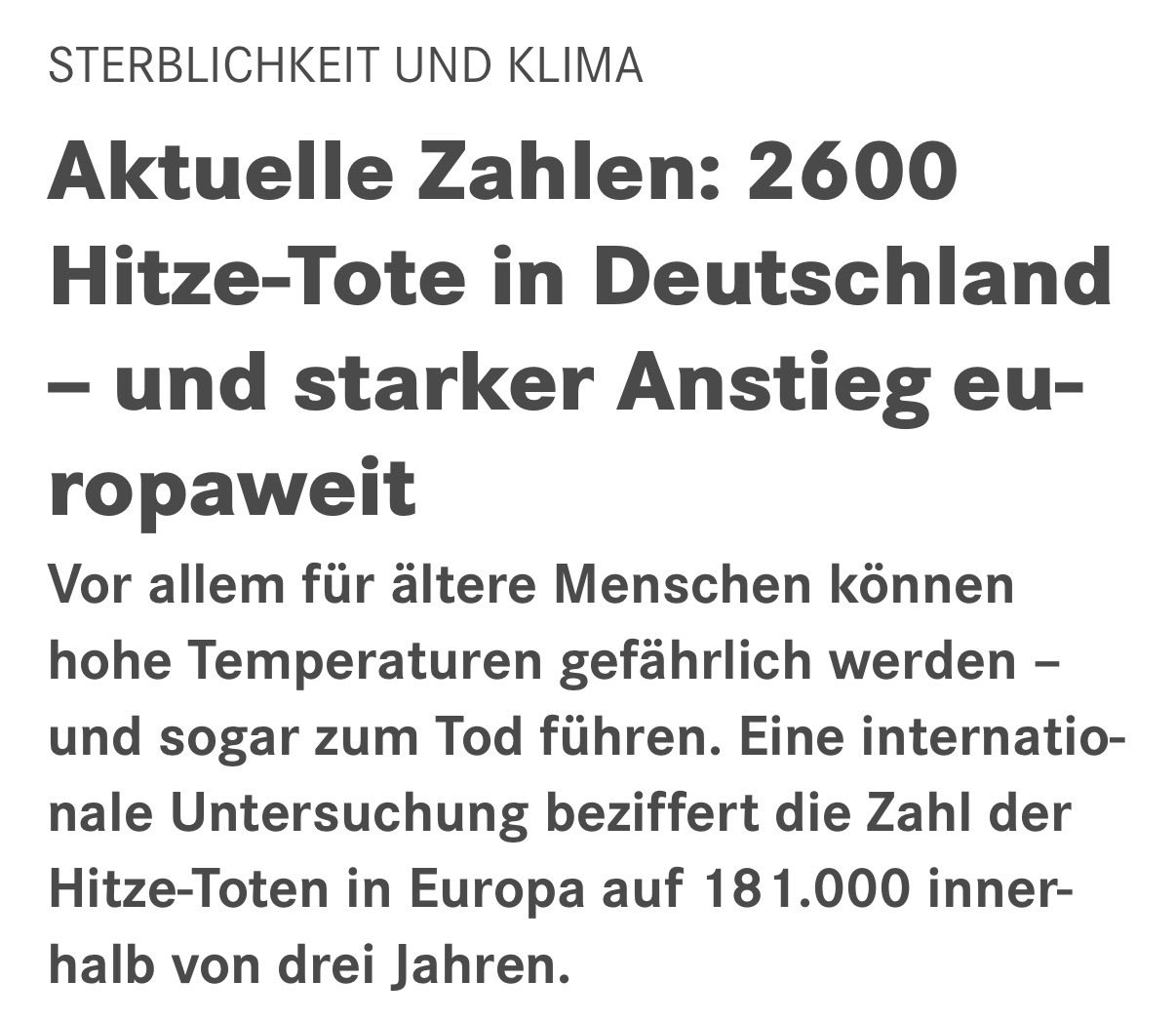
As global temperatures continue to rise, the role of air conditioning in preventing heat-related mortality has become a focal point of public health policy and urban infrastructure planning. According to data from the World Health Organization (WHO), extreme heat exposure is a significant driver of cardiovascular and respiratory illness, particularly among elderly populations and those in urban environments. While international discourse often balances the energy demands of cooling technology against environmental sustainability goals, medical and meteorological experts increasingly emphasize that access to climate-controlled spaces is a primary intervention for reducing heat-related fatalities during record-breaking summer months.
The correlation between heat waves and increased mortality rates is well-documented by climate scientists and public health agencies. When ambient temperatures exceed human physiological thresholds for extended periods, the risk of heatstroke, dehydration, and underlying health condition exacerbation rises sharply. The U.S. Environmental Protection Agency (EPA) reports that heat-related deaths in the United States have fluctuated significantly over the last several decades, with localized infrastructure—such as the availability of air conditioning and the presence of urban heat islands—playing a critical role in determining survival outcomes for vulnerable residents.
The Physiological Impact of Extreme Heat
Human bodies rely on thermoregulation to maintain a stable internal temperature. When external temperatures remain high, particularly at night, the body cannot effectively shed heat, leading to sustained physiological stress. The Centers for Disease Control and Prevention (CDC) notes that heat-related illnesses range from mild heat exhaustion to life-threatening heatstroke, where the body’s temperature regulation system fails completely. Air conditioning acts as a critical mitigation tool by lowering the ambient temperature of living spaces, allowing the body to recover during periods of extreme atmospheric heat.

Research published in the Lancet Planetary Health suggests that while rising temperatures are a global phenomenon, the disparity in access to cooling technology contributes to a “cooling divide.” In regions where air conditioning is not standard or affordable, heat-related mortality rates are statistically higher during prolonged heat events. This technical necessity has prompted urban planners to evaluate whether widespread cooling access should be categorized as an essential public health utility rather than a luxury consumer good.
Balancing Energy Efficiency and Public Safety
The debate surrounding cooling technology often centers on the tension between energy consumption and immediate life-saving needs. Modern air conditioning systems are significant consumers of electricity, which, depending on the energy mix of a specific region, can contribute to carbon emissions. However, the International Energy Agency (IEA) highlights that the development of more efficient cooling technologies is a priority for balancing climate targets with the urgent need to protect populations from heat-related illness. The agency emphasizes that passive cooling techniques, such as improved building insulation and reflective roofing, can reduce the reliance on mechanical systems while still maintaining safe indoor temperatures.
For many, the installation of high-efficiency HVAC systems is a practical response to shifting climate patterns. Governments in various jurisdictions have begun implementing “cool roofs” initiatives and subsidies for energy-efficient cooling equipment to lower the barriers to entry for low-income households. This policy shift reflects a broader recognition that as the frequency of heat waves increases, the ability to regulate indoor temperature is a determinant of public health security.
Urban Infrastructure and Future Preparedness
Urban environments often amplify the effects of heat due to the concentration of concrete and asphalt, a phenomenon known as the Urban Heat Island (UHI) effect. The National Oceanic and Atmospheric Administration (NOAA) has conducted extensive mapping to show that cities can be several degrees warmer than surrounding rural areas. To combat this, cities are increasingly investing in green infrastructure—such as urban forests and parks—alongside the expansion of public cooling centers.

Looking ahead, the next major update regarding global heat-related health policy is expected during the upcoming COP29 climate summit, where member nations are slated to discuss climate adaptation strategies and the financing of heat-resilient infrastructure. As these policies evolve, the focus remains on ensuring that technological solutions, including advanced air conditioning and passive building design, are integrated into the broader strategy for protecting public health in a warming world. Readers interested in local heat safety advisories are encouraged to monitor their national meteorological service or local public health department websites for real-time guidance during extreme weather events.
How is your community preparing for rising summer temperatures? We invite you to share your thoughts and observations in the comments section below.
Related reading