
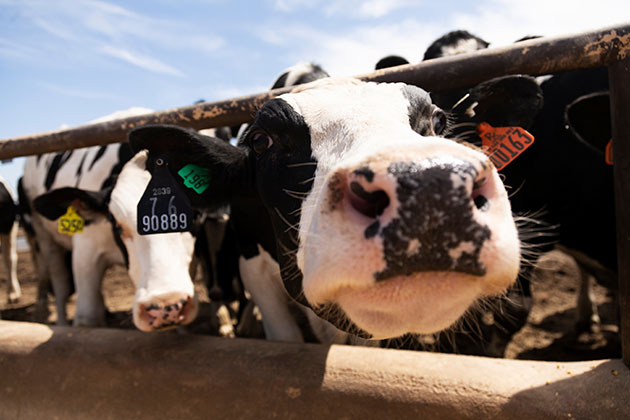
The global eradication of rinderpest, declared officially complete in 2011, stands as one of the most significant achievements in veterinary history, yet its lessons on the necessity of sustained disease surveillance are increasingly relevant as modern livestock outbreaks drive significant economic volatility. While the virus—historically known as “cattle plague”—is no longer a threat to global food security, the collapse of similar preventive frameworks has left agricultural sectors vulnerable to emerging pathogens. According to the World Organisation for Animal Health (WOAH), the eradication of rinderpest proved that international cooperation could eliminate a transboundary animal disease, yet the recent surge in zoonotic and livestock-specific illnesses demonstrates that the global infrastructure for animal health remains fragile.
The economic stakes of failing to maintain robust veterinary oversight are becoming increasingly apparent in consumer markets. Recent outbreaks of highly pathogenic avian influenza (HPAI) have contributed to a surge in global egg prices, which rose by more than 60% during peak periods of transmission, according to data monitored by the Food and Agriculture Organization (FAO). Similarly, in South Africa, the resurgence of foot-and-mouth disease has significantly disrupted domestic supply chains, pushing beef prices up by 34% in affected regions. These figures, verified through international agricultural market reports, illustrate that animal disease management is no longer a niche concern for farmers, but a primary driver of household food inflation.
The Historical Precedent of Rinderpest Eradication
Rinderpest was a devastating viral disease that killed millions of cattle and buffalo, frequently leading to widespread famine across Africa, Asia, and Europe. Its eradication was the result of a decades-long, coordinated effort led by the Food and Agriculture Organization of the United Nations (FAO) and the World Organisation for Animal Health (formerly the OIE). The campaign relied on the development of a heat-stable vaccine and a rigorous global surveillance network that allowed veterinarians to identify and isolate outbreaks before they could cross international borders.
In May 2011, the FAO officially confirmed that the world was free of rinderpest, marking only the second time in history that a disease had been completely eradicated—the first being smallpox in humans. The success was attributed to the “Global Rinderpest Eradication Programme,” which incentivized countries to report outbreaks rather than hide them for fear of trade sanctions. By providing technical support and funding for vaccination drives, the international community created a system where transparency became a collective security asset. This historical success highlights a fundamental truth: disease control is not merely a biological challenge, but a diplomatic and economic one.
The Economic Cost of Ignoring Preventive Frameworks
The current volatility in food prices serves as a warning that the global community has struggled to replicate the success of the rinderpest campaign for other endemic diseases. When animal health systems are underfunded or neglected, the resulting outbreaks trigger a chain reaction that impacts the entire food supply chain. High-consequence diseases like avian influenza or foot-and-mouth disease do not respect national boundaries, and their impact on meat and poultry prices is often immediate and sustained.

According to the World Bank’s recent reports on global food security, the cost of responding to an outbreak is consistently higher than the cost of maintaining the surveillance systems required to prevent one. The surge in egg and beef prices serves as a real-time indicator of the “prevention gap.” When farmers lack access to diagnostic tools or vaccination programs, the risk of widespread culling increases, which shrinks the global supply of protein and forces prices upward. These costs are ultimately borne by the consumer, as agricultural producers pass on the expenses associated with bio-security failures and market disruptions.
What Happens Next: Maintaining Global Bio-security
The next phase of global animal health policy hinges on the ability of international bodies to sustain funding for veterinary surveillance. The WOAH maintains the World Animal Health Information System (WAHIS), a platform designed to provide real-time updates on disease outbreaks globally. The effectiveness of this system relies entirely on the reporting integrity of individual member states. As climate change alters the migratory patterns of birds and the distribution of vectors like ticks and mosquitoes, the risk of novel disease transmission is expected to increase.

The international community faces a scheduled review of its pandemic preparedness frameworks, including animal-to-human transmission vectors, as part of ongoing negotiations at the World Health Assembly. For farmers and the general public, the primary takeaway remains the same: the eradication of rinderpest was not a permanent victory that allows for the dismantling of veterinary infrastructure, but a blueprint that must be continuously applied to emerging threats. Without a sustained investment in the diagnostic capacity of local veterinary clinics and the regional coordination of reporting networks, the global food system remains susceptible to the same kind of preventable shocks that have recently pushed essential protein prices to historic highs.
Readers interested in monitoring the latest animal health advisories can access official updates via the World Organisation for Animal Health’s WAHIS portal. As these developments continue to influence global markets, further discussion on the intersection of public policy and agricultural sustainability is essential. Please share your thoughts or questions regarding how these trends are impacting your local food systems in the comments section below.