
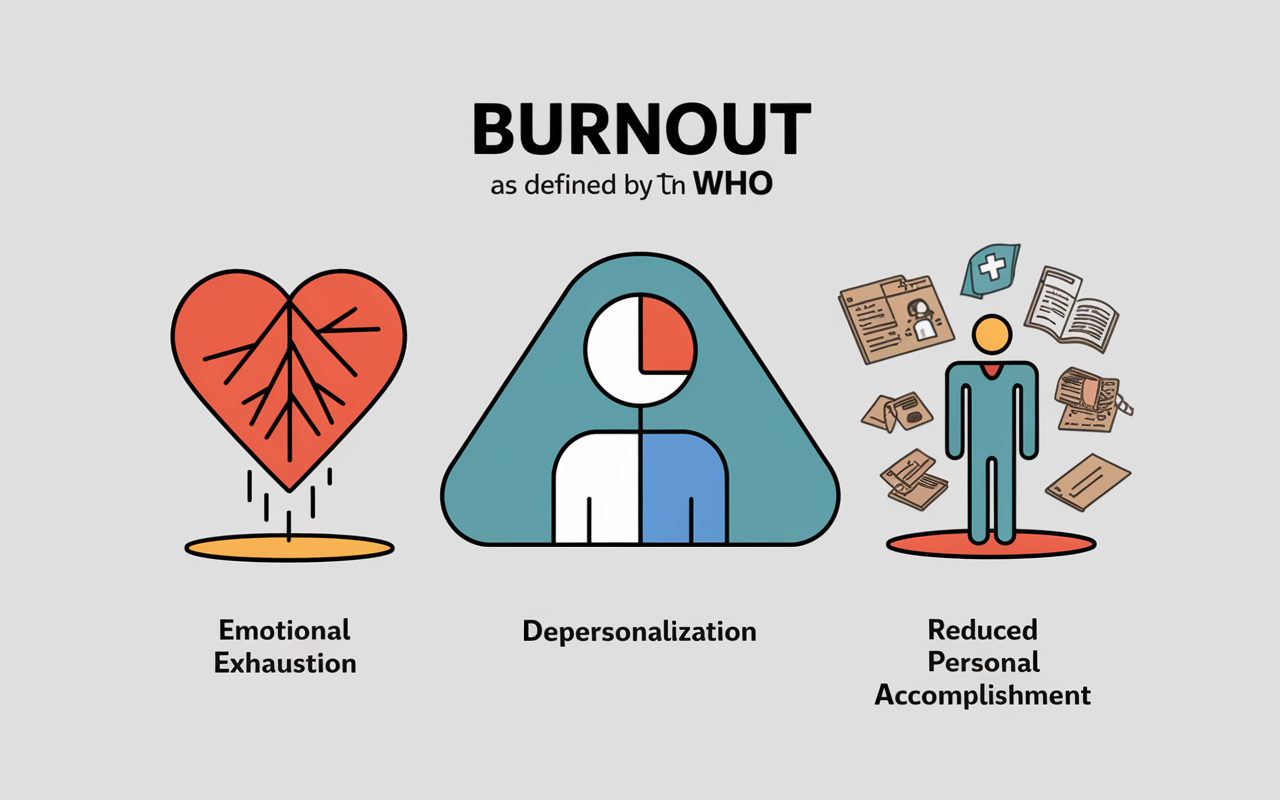
Chronic work-related stress, clinically recognized as burnout, significantly impacts male sexual health by disrupting hormonal balance and psychological well-being. According to research published by the World Health Organization (WHO), burnout is an occupational phenomenon characterized by feelings of energy depletion, increased mental distance from one’s job, and reduced professional efficacy. For men, this state of prolonged exhaustion often manifests as a decline in libido, erectile dysfunction, and performance anxiety, creating a cycle of stress that further exacerbates physical symptoms.
As a physician, I frequently see patients who struggle to connect their professional environment with their physiological health. It is essential to understand that the body does not distinguish between a deadline at the office and a physical threat; both trigger the same sympathetic nervous system response. When this response remains active for months or years, the consequences extend far beyond the workplace, affecting intimate relationships and personal quality of life.
The Physiological Link Between Stress and Libido
The primary mechanism connecting burnout to sexual dysfunction is the body’s hormonal response to chronic stress. When a person is under constant pressure, the adrenal glands continuously produce cortisol. Elevated cortisol levels, as noted by the Endocrine Society, can inhibit the production of testosterone, the primary hormone responsible for male sexual desire and erectile function. This hormonal suppression is not merely psychological; it is a measurable biological shift.

Furthermore, chronic stress impairs the cardiovascular system. Erectile function relies on healthy blood flow, which is often compromised by high blood pressure and systemic inflammation associated with long-term stress. When the body is in a state of “fight or flight,” blood is diverted away from non-essential systems, including the reproductive system, toward the muscles and brain. Over time, this chronic redirection contributes to physical erectile dysfunction, which can lead to secondary psychological distress and further decrease sexual confidence.
Psychological Barriers to Intimacy
Beyond the hormonal and vascular impact, burnout creates a significant psychological barrier to intimacy. The mental fatigue associated with burnout often leaves individuals with little emotional reserve for their partners. A study regarding occupational stress and mental health, indexed by the National Institutes of Health (NIH), highlights that cognitive overload often leads to emotional detachment. In a domestic setting, this detachment is frequently misinterpreted as a lack of interest, which can cause conflict and increase the stress levels of both partners.
:max_bytes(150000):strip_icc()/stress-and-burnout-symptoms-and-causes-3144516-e343e7071b6a44b28eb25f5378c92b0a.png "Psychological Barriers to Intimacy")
Performance anxiety frequently follows the initial onset of stress-related sexual issues. Once a man experiences a single episode of erectile dysfunction linked to fatigue, he may begin to fear future failures. This anticipatory anxiety triggers another release of adrenaline and cortisol, effectively ensuring the very outcome he hopes to avoid. Breaking this cycle requires acknowledging that the cause is likely external—the work environment—rather than an inherent physical defect.
Recognizing the Symptoms of Burnout
Burnout is not a diagnosis to be taken lightly, and it often presents with subtle signs long before sexual health is affected. According to guidelines from the Mayo Clinic, common indicators include a lack of motivation, irritability with colleagues or family members, and a persistent feeling of being overwhelmed. If you notice these symptoms alongside changes in your sexual function, it is important to treat the root cause rather than attempting to “fix” the symptom with medication alone.
- Persistent Fatigue: Feeling drained even after rest.
- Emotional Detachment: Feeling cynical or disconnected from your daily tasks and relationships.
- Reduced Performance: A noticeable drop in efficiency at work and a decline in interest in physical intimacy.
- Physical Symptoms: Unexplained headaches, gastrointestinal issues, or changes in sleep patterns.
Steps Toward Recovery and Restoration
Addressing burnout-related sexual dysfunction requires a multifaceted approach. First, medical consultation is necessary to rule out other conditions, such as diabetes or cardiovascular disease, which share similar symptoms. The Urology Care Foundation suggests that lifestyle modifications, including regular moderate exercise, adequate sleep hygiene, and professional counseling, are often the first line of defense for stress-induced sexual issues.
It is also crucial to establish clear boundaries between work and home life. For many, this means disconnecting from digital devices after hours and prioritizing activities that allow the nervous system to return to a parasympathetic state—the “rest and digest” mode. In cases where burnout is severe, professional support from a licensed therapist or a mental health counselor is recommended to develop coping mechanisms for workplace stressors.
Health authorities continue to update guidance on workplace wellness as the global prevalence of burnout increases. Patients should keep an eye on upcoming reports from national health departments regarding workplace mental health standards, which may provide more robust legal and medical protections in the near future. If you are experiencing these symptoms, consult your primary care physician to discuss a personalized plan for recovery. We encourage readers to share their experiences or questions in the comments section below to foster a more open dialogue on this critical health topic.
Worth a look
- West Nile Virus Cases Surge in Greece, Prompting Health Warnings in Athens
- Ozempic for Type 2 Diabetes: Costs, Coverage, and Treatment Explained
- FDA Approves Groundbreaking mRNA Vaccine Booster for Adults 50+, Boosting Immunity and Protecting Against Chronic Health Risks (archyworldys.com)
- The Future of Health Insurance Coverage and Healthcare Standards (world-today-news.com)