
California’s prolonged vote-counting process remains a point of contention for voters and observers, but systemic legislative and logistical hurdles make significant changes to the timeline unlikely before the November general election. While critics argue that the state’s reliance on mail-in ballots and extended post-election processing periods creates unnecessary delays, officials maintain that these procedures are designed to ensure accuracy and voter enfranchisement rather than speed.
The state’s current election framework, which allows mail-in ballots to be counted if they are postmarked by Election Day and arrive up to seven days later, is mandated by the California Elections Code Section 3020. This statutory deadline ensures that voters who utilize the postal service near the cutoff remain eligible, but it inherently prevents county registrars from finalizing results on election night. As of the most recent cycles, election officials across California’s 58 counties have consistently emphasized that the priority remains the security of the ballot over the speed of the tally.
Why California Election Results Take Time
The primary driver of the extended count is the sheer volume of ballots cast by mail. According to the California Secretary of State’s office, the state transitioned to a permanent vote-by-mail system for all registered voters, which fundamentally shifted the workload for county election offices. Because every ballot must undergo signature verification—a process that requires manual review—the time required to process and validate these ballots is significantly longer than counting in-person votes cast on electronic machines.
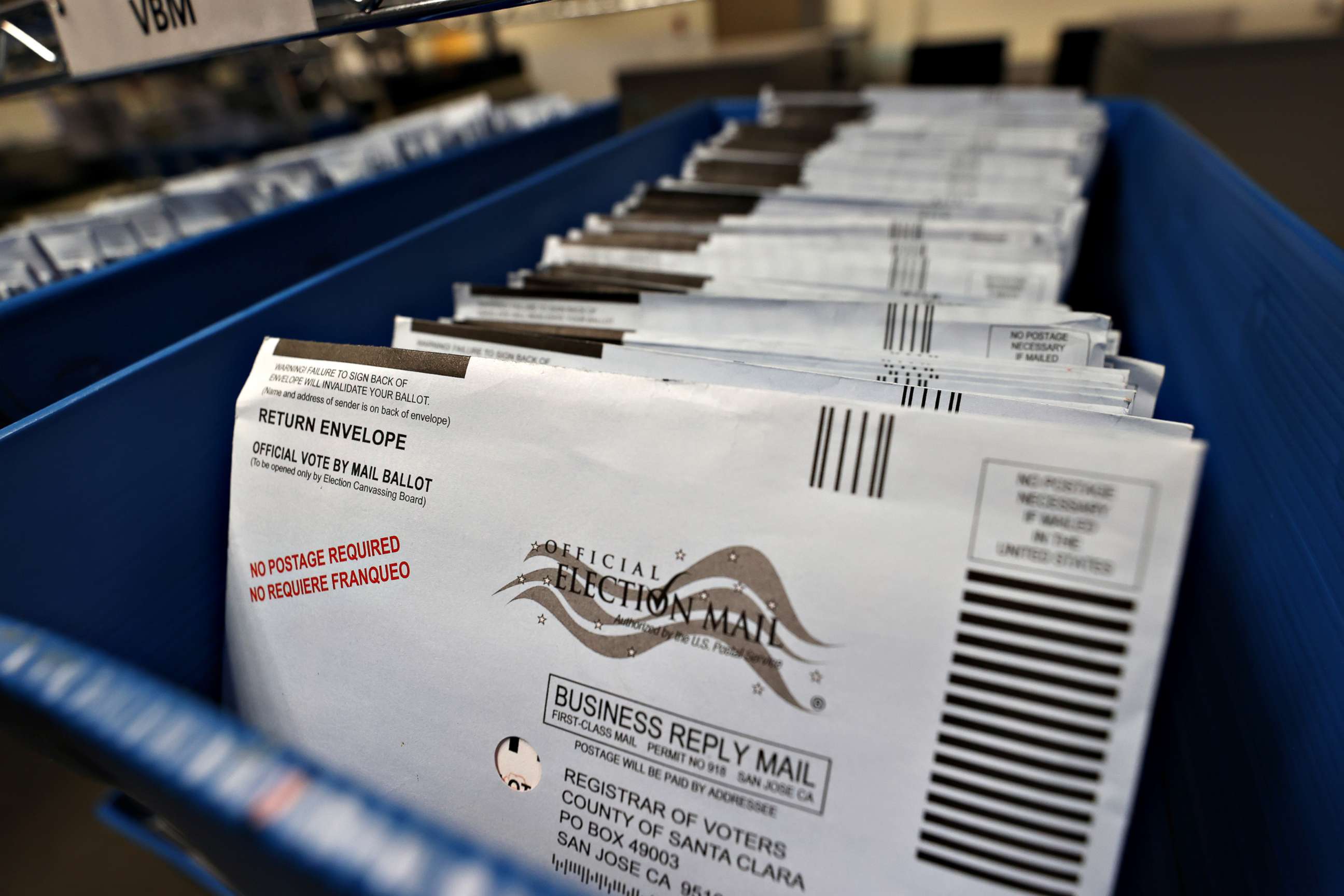
Furthermore, California law requires election officials to perform a manual audit of a sample of ballots to ensure the accuracy of the electronic systems, a process known as the Risk-Limiting Audit (RLA). This post-election procedure is a critical safeguard for election integrity, yet it adds days to the certification timeline. While some jurisdictions in other states finalize results within hours, California’s legal requirements for signature curing—where voters are contacted to fix mismatched signatures—often extend the process by several days or even weeks.
The Challenges of Implementing Reform
Proposals to accelerate the count, such as requiring all ballots to be received by the close of polls on Election Day, face significant legal and political opposition. Changing this mandate would require an act of the state legislature to amend the current election code, a move that voting rights advocates argue would disenfranchise voters who rely on the mail. The American Civil Liberties Union (ACLU) has historically opposed shortening receipt windows, citing potential delays in postal delivery that are outside of the voter’s control.
Funding also remains a persistent barrier to faster processing. County election offices operate with varying levels of resources, and many registrars report that upgrading to high-speed scanning equipment and hiring additional temporary staff for the canvassing period is constrained by local budget cycles. While the state has provided one-time grants for election security and infrastructure, permanent, recurring funding to support faster ballot processing has not been secured at the scale required to overhaul the system statewide.
What Voters Can Expect in November
As the November election approaches, California election officials are preparing for another high-volume turnout. The California Secretary of State has indicated that voters should expect a phased release of results, with the initial batches consisting of mail-in ballots received before Election Day and early in-person votes. Provisional ballots and mail-in ballots dropped off on Election Day typically take the longest to process, as they require additional verification steps to prevent double-voting.

The next major milestone in the state’s election calendar is the official canvass period, which begins immediately after Election Day. During this period, counties have up to 30 days to complete their final tallies and certify the results. For voters seeking real-time data, the California Secretary of State’s official results portal provides daily updates as county offices transmit their verified totals. As the process moves forward, stakeholders are encouraged to monitor their county registrar’s website for specific local guidance on tracking ballot status and understanding the timeline for certification.
Related reading