
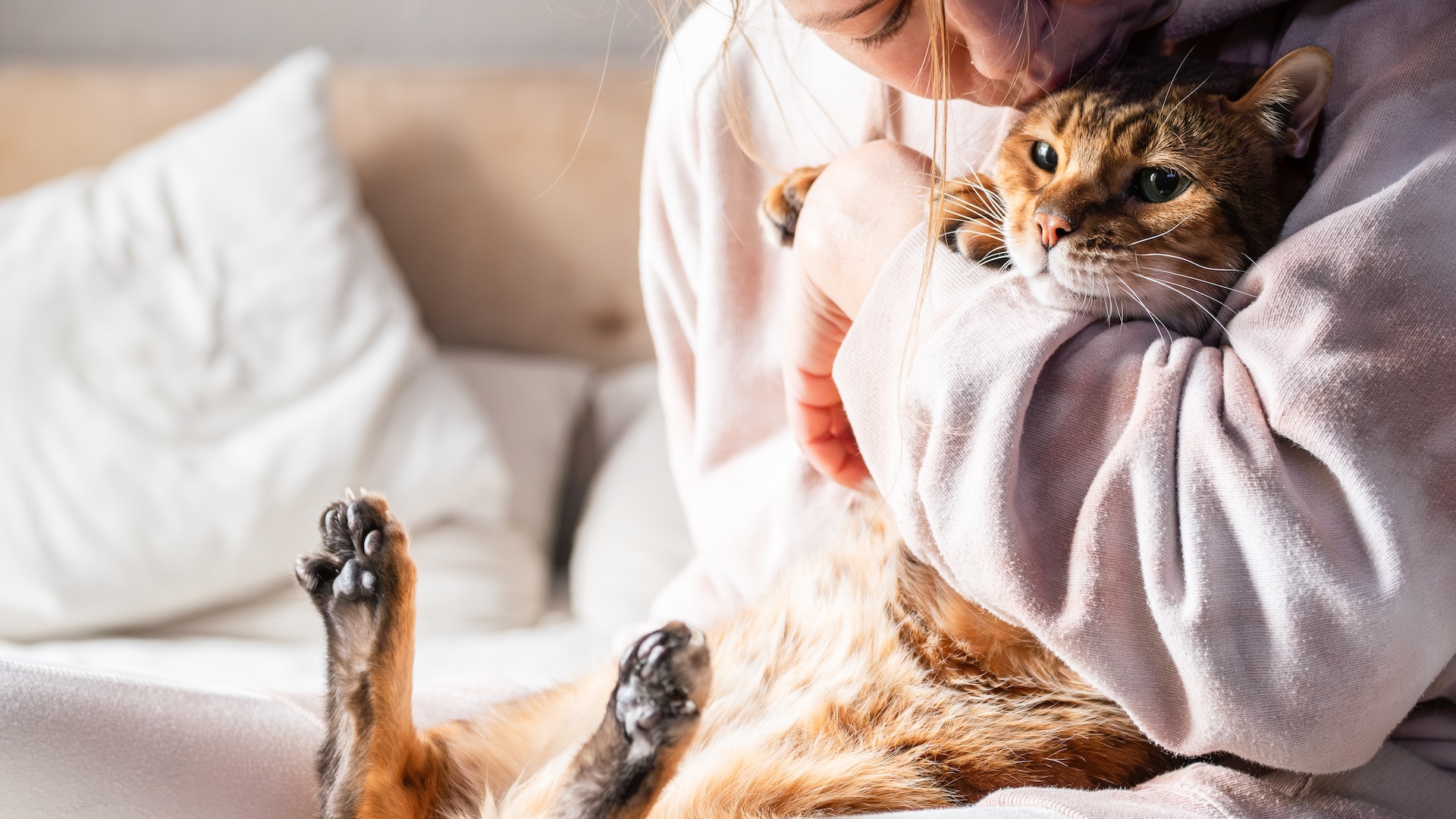
The Unexpected Science of the Cat-Human Bond
For centuries, cats have shared our homes, captivating us with their independence and enigmatic charm.But the connection we feel with our feline companions isn’t just affection – it’s rooted in powerful neurochemistry, mirroring the bonds we share with loved ones. Recent research reveals a fascinating interplay of hormones, notably oxytocin, that explains why a cat’s slow blink or a gentle purr can feel so profoundly rewarding.
The Chemistry of Connection: Oxytocin’s Role
Oxytocin, frequently enough dubbed the “love hormone,” plays a crucial role in social bonding across many species. Studies demonstrate that interacting with a beloved pet, like a cat, triggers a notable release of oxytocin in your brain. Interestingly, this response is often stronger than the oxytocin surge experienced when interacting with strangers. This means a happy greeting from your cat can evoke a similar emotional rush to seeing a cherished family member.
Why Cats Bond differently
Dogs, bred for centuries to work alongside humans, are naturally inclined to seek our attention and approval. They’ve essentially been “hard-wired” to engage in behaviors – like eye contact and seeking petting - that stimulate oxytocin release in both themselves and us. Cats,however,have a diffrent evolutionary history.
Evolving from solitary hunters, cats didn’t rely on overt social displays for survival. Consequently, they may not exhibit oxytocin-fueled behaviors as readily as dogs. Instead,cats tend to reserve these affectionate displays for moments when they feel truly safe and secure with you.
Earning a Cat’s Trust: A Rewarding Process
A cat’s trust isn’t given freely; it’s earned through patience and understanding. However, once that trust is established, it’s reinforced by the very same neurochemical processes that strengthen bonds between human parents, partners, and friends. This means the connection you share with your cat is built on a deeply biological foundation.
Recognizing the Signs of a Cat’s Affection
So, how do you know when your cat is experiencing an oxytocin boost and strengthening your bond? Look for these subtle cues:
* Slow Blinks: Often referred to as “cat kisses,” slow blinks are a sign of contentment and trust.
* Purring: While not always indicative of happiness, purring frequently accompanies feelings of comfort and security.
* Rubbing: When your cat rubs against you, they’re depositing pheromones, marking you as safe and familiar.
* Lap Time: Choosing to settle on your lap is a clear sign of affection and a desire for closeness.
When your cat exhibits these behaviors, remember that something remarkable is happening beneath the surface. Oxytocin levels are rising in both of your brains, deepening your connection and reducing stress. Cats, in their unique way, have tapped into the ancient biology of love, offering us a profound and rewarding companionship.





