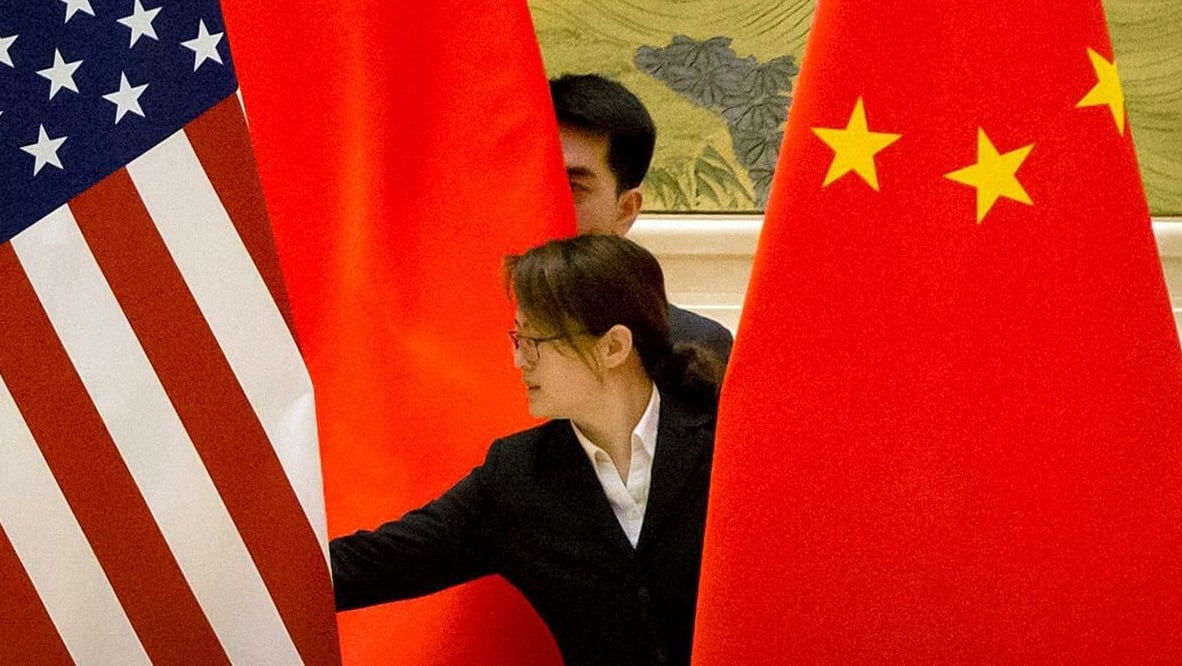
The Chinese Ministry of Commerce has imposed sanctions on several U.S. companies, citing their involvement in arms sales to Taiwan as the primary justification for the move. This latest escalation in the ongoing trade dispute between Beijing and Washington includes asset freezes and travel bans on executives associated with firms such as Anduril Industries, Maritime Tactical Systems, Pacific Rim Defense, and AEVEX Aerospace, according to an official statement released by the Chinese government.
These sanctions represent a targeted expansion of China’s use of domestic legal frameworks to counter Western policies, specifically regarding the supply of defense equipment to the self-governing island of Taiwan. Beijing considers Taiwan a breakaway province that must eventually be reunited with the mainland, while the United States maintains a policy of “strategic ambiguity” while providing defensive arms under the Taiwan Relations Act, as noted by the U.S. Department of State.
The Scope of Beijing’s Targeted Sanctions
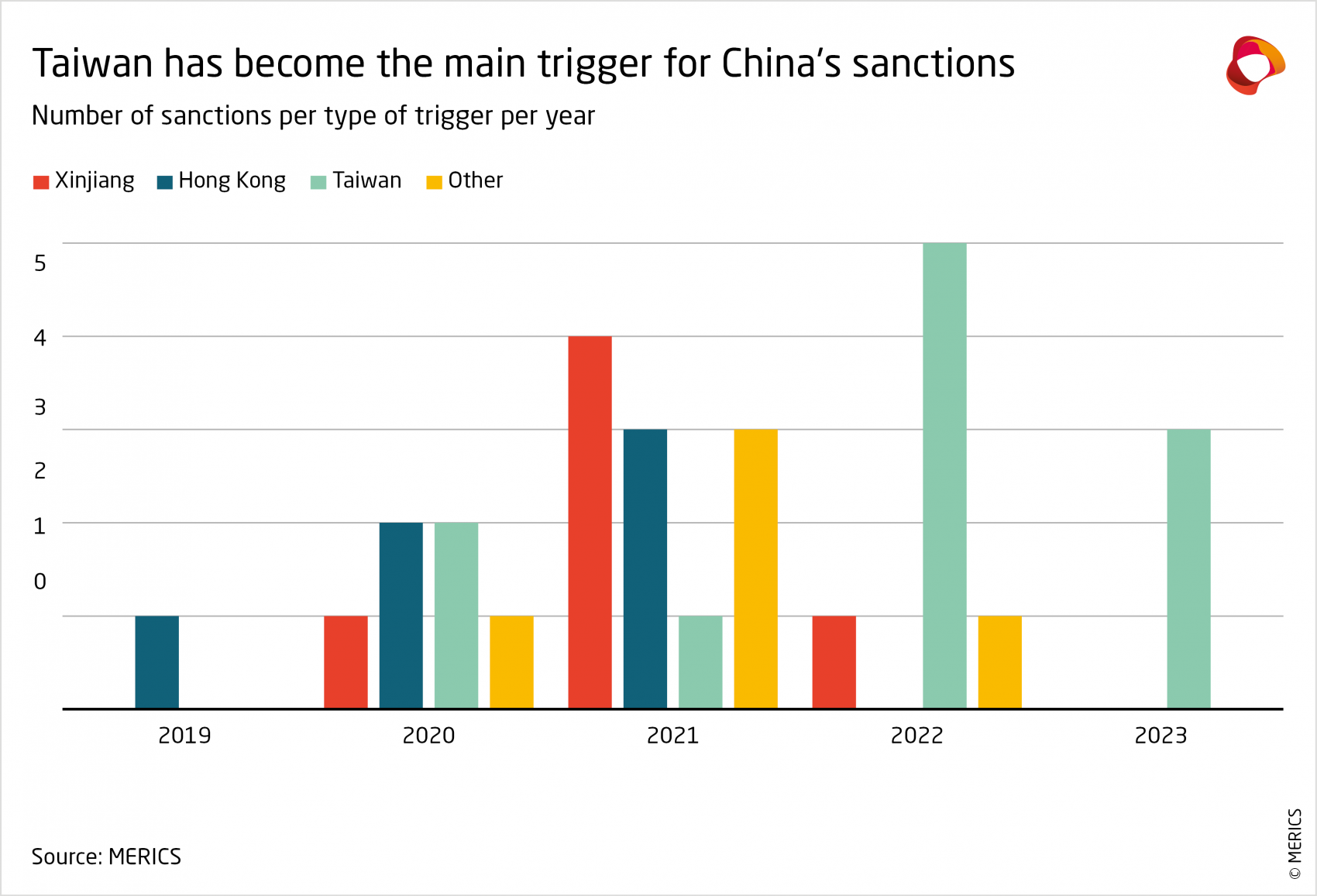
Under the measures announced by the Chinese Ministry of Commerce, the affected U.S. companies are prohibited from importing or exporting goods within China. Furthermore, the assets of these firms located within Chinese jurisdiction are to be frozen, and their senior management personnel are barred from entering the country. This action follows a pattern of similar sanctions China has leveled against major U.S. defense contractors in recent years, including entities like Lockheed Martin and Raytheon, which have also been penalized for their roles in military contracts with Taipei.
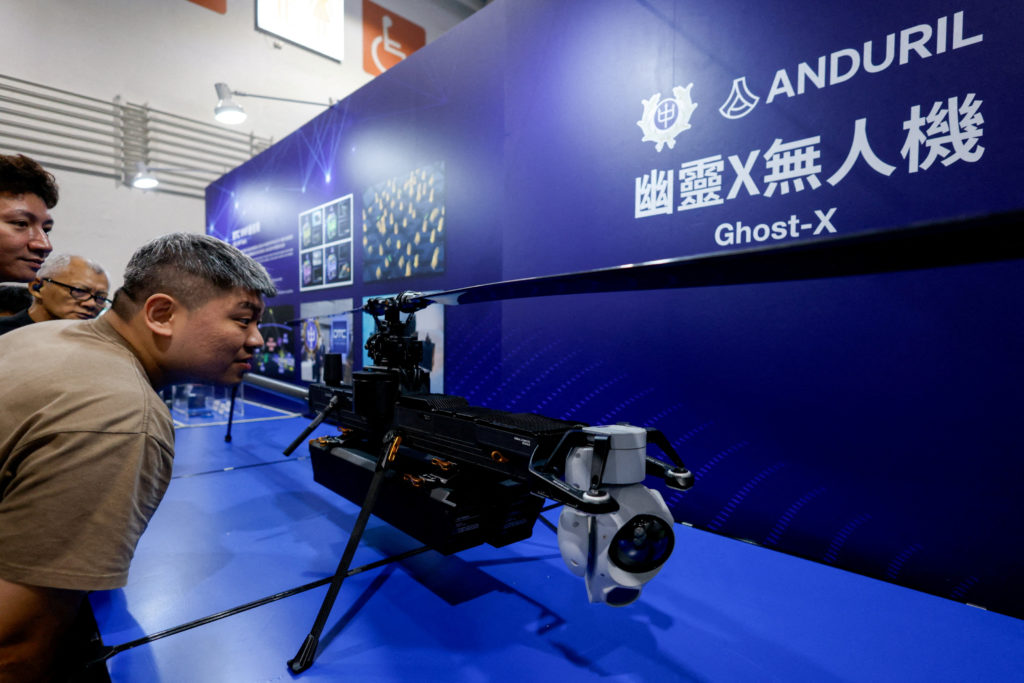
The Chinese government maintains that these companies have undermined its sovereignty and security interests. According to the Ministry of Commerce of the People’s Republic of China, the sanctions are a necessary response to protect national interests against foreign entities that facilitate military aid to Taiwan. While the immediate economic impact of these specific sanctions on the named mid-sized firms remains limited due to their lack of significant operations in China, the move serves as a clear diplomatic signal regarding Beijing’s stance on military support for the island.
Geopolitics and the Control of Critical Minerals
Beyond direct sanctions on defense firms, the broader trade environment between the U.S. and China is increasingly defined by competition over industrial raw materials. China currently holds a dominant position in the global supply chain for critical minerals, including gallium, germanium, and rare earth elements, which are essential for the production of semiconductors, electric vehicle batteries, and advanced defense systems. The U.S. Geological Survey has consistently identified these materials as vital for national security, noting the dependency of Western industries on Chinese processing capacity.

In mid-2023, China implemented export controls on gallium and germanium, requiring exporters to obtain specific licenses for shipments. This move was widely viewed by analysts as a strategic countermeasure to U.S.-led efforts to restrict China’s access to advanced chip-making technology. By controlling the supply of these precursors, Beijing has demonstrated its capacity to exert leverage over the global technology sector, forcing Western nations to accelerate efforts to diversify their supply chains and reduce reliance on a single source.
Strategic Implications for Global Trade
The intensifying trade dispute has created a complex environment for multinational corporations operating in both markets. As the U.S. continues to implement export controls on high-end artificial intelligence chips and semiconductor manufacturing equipment, China has responded by diversifying its trade partners and bolstering its own domestic production capabilities. According to the World Trade Organization, such unilateral trade measures often lead to increased market fragmentation and higher costs for consumers globally.
The reliance on China for refined minerals remains a significant vulnerability for the U.S. defense industrial base. Policymakers in Washington have responded by passing legislation such as the CHIPS and Science Act, which aims to incentivize domestic manufacturing and research. However, experts suggest that transitioning away from Chinese-dominated supply chains is a long-term endeavor that will require significant capital investment and international cooperation with allies in Europe and the Indo-Pacific region.
What Happens Next
The situation remains fluid as both nations navigate a period of heightened strategic competition. Following these latest sanctions, the focus shifts to whether the United States will introduce further export restrictions on technology, potentially triggering additional retaliatory measures from Beijing. Market participants are closely monitoring upcoming regulatory filings and official statements from the U.S. Department of Commerce and the Chinese Ministry of Commerce for indications of further escalation.
While there is no immediate date for a de-escalation, international observers will be watching the next round of bilateral high-level talks for any sign of a thaw in trade relations. Readers interested in following these developments can monitor official updates through the U.S. Department of Commerce’s Bureau of Industry and Security website. We encourage our readers to share their perspectives on the impact of these trade policies in the comments section below.
Keep reading