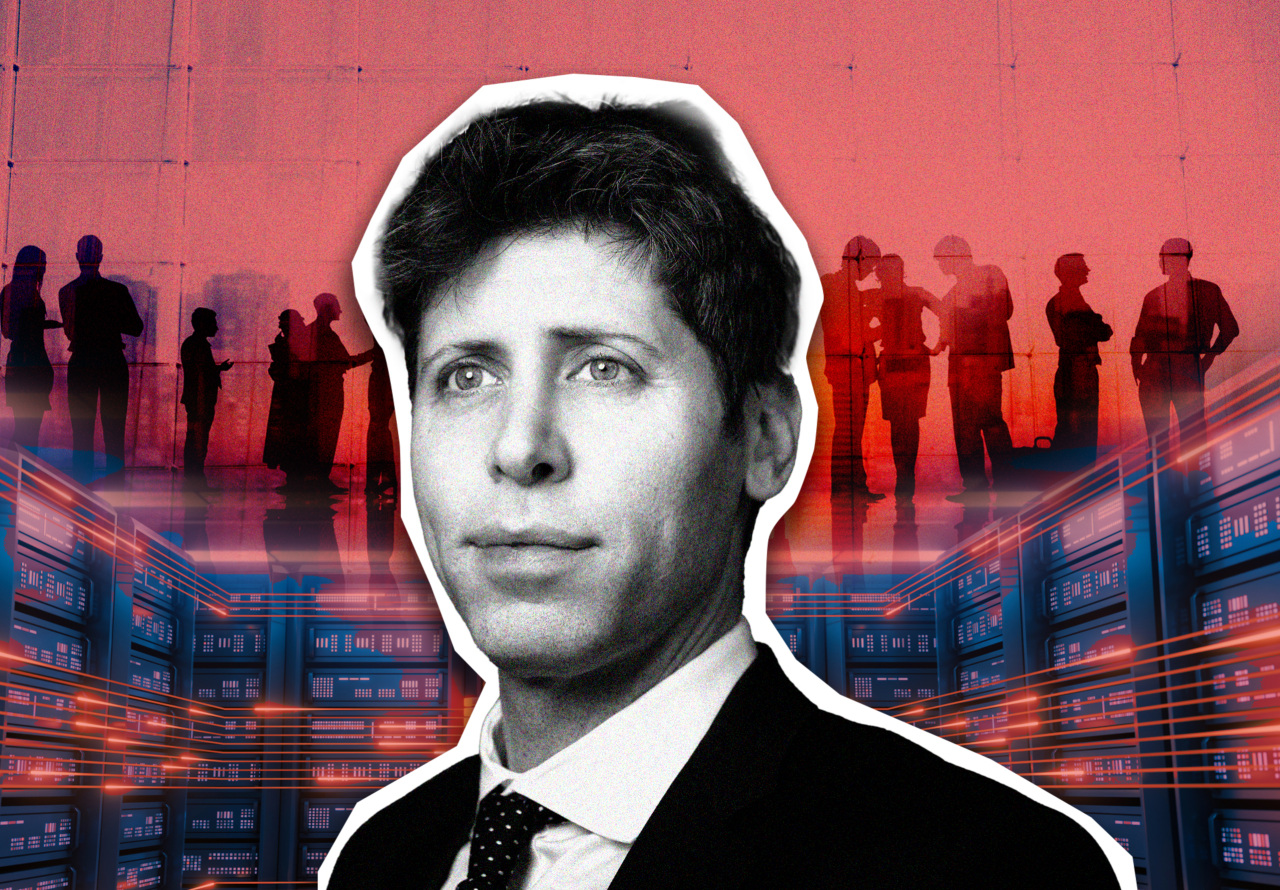
In the rapidly evolving landscape of artificial intelligence, few figures have cast as long a shadow as Sam Altman. As the chief executive of OpenAI, Altman has navigated the organization through a period of explosive growth and intense public scrutiny. However, recent developments suggest that OpenAI’s biggest problem isn’t AI safety; it’s Sam Altman himself. For observers of the tech industry, the question has shifted from the technological potential of large language models to the governance and internal culture of the entity driving them.
The conversation around OpenAI’s corporate structure has intensified as the company moves toward a transition into a Public Benefit Corporation. According to recent reports, this shift entails a significant change in the financial and operational autonomy of the organization, with investors slated to receive uncapped profit shares while the nonprofit foundation maintains a minority financial stake. This restructuring represents a departure from the company’s original, more restrictive nonprofit control model, sparking intense debate among industry analysts and stakeholders regarding the long-term implications of such a pivot, as noted in publicly available discourse on the company’s evolution.
The Governance Dilemma and Corporate Liability
At the heart of the criticism directed at Altman is the perception of a “conflict-averse” leadership style that has allegedly fostered a culture of groupthink within OpenAI. Critics argue that this environment, while conducive to rapid development, may create a massive corporate liability. When a company at the forefront of a transformative technology prioritizes internal consensus over robust, independent oversight, the risks extend beyond the boardroom and into the broader societal impact of the tools they deploy.
The transition to a Public Benefit Corporation is not merely an administrative update; It’s a fundamental shift in the organization’s mission and accountability. While proponents argue that this structure provides the necessary capital to compete in a global market, skeptics point to the reduction in the nonprofit foundation’s influence as a potential erosion of the safeguards that were intended to govern the development of powerful AI systems. The complexity of these changes often leaves the public and regulators alike struggling to track how decisions are made within the company’s opaque, high-stakes environment.
Understanding the Organizational Shift
For those tracking OpenAI’s trajectory, it is essential to distinguish between the company’s public-facing narrative and the underlying corporate filings. The shift in control mechanisms is a critical development that underscores the tension between commercial scaling and the original research-oriented mandate. As the organization evolves, it must contend with evolving federal and state regulations, which remain the primary benchmarks for assessing corporate conduct in the tech sector.
The reliance on a “conflict-averse” culture, as described by various industry observers, suggests that dissenting voices—particularly those focused on long-term safety or ethical implications—may be sidelined. If this culture persists, the ability of OpenAI to self-correct during periods of crisis becomes increasingly limited. This internal dynamic is not unique to OpenAI, but given the company’s outsized role in the AI sector, the stakes are significantly higher than for smaller, less influential firms.
Key Factors in the OpenAI Transformation
- Governance Structure: The transition from a nonprofit-dominated model to a Public Benefit Corporation with uncapped profit potential.
- Corporate Culture: Concerns regarding the promotion of consensus-driven decision-making that may suppress critical internal safety feedback.
- Accountability: The challenge of maintaining transparent oversight as the organization deepens its ties to commercial investors.
- Regulatory Landscape: The ongoing need for clear, enforceable policies that govern how AI labs manage both innovation and risk.
What Happens Next: The Road Ahead
As of May 2026, the tech industry continues to monitor the fallout of these governance shifts. The next major checkpoint for stakeholders involves upcoming regulatory filings and potential oversight hearings that will clarify the long-term impact of the company’s new corporate structure. For those interested in the technical and ethical trajectory of AI, staying informed via official federal assistance and contracting resources can provide context on how government entities are engaging with the broader tech ecosystem, though specific corporate outcomes remain subject to internal board decisions and ongoing legal evaluations.
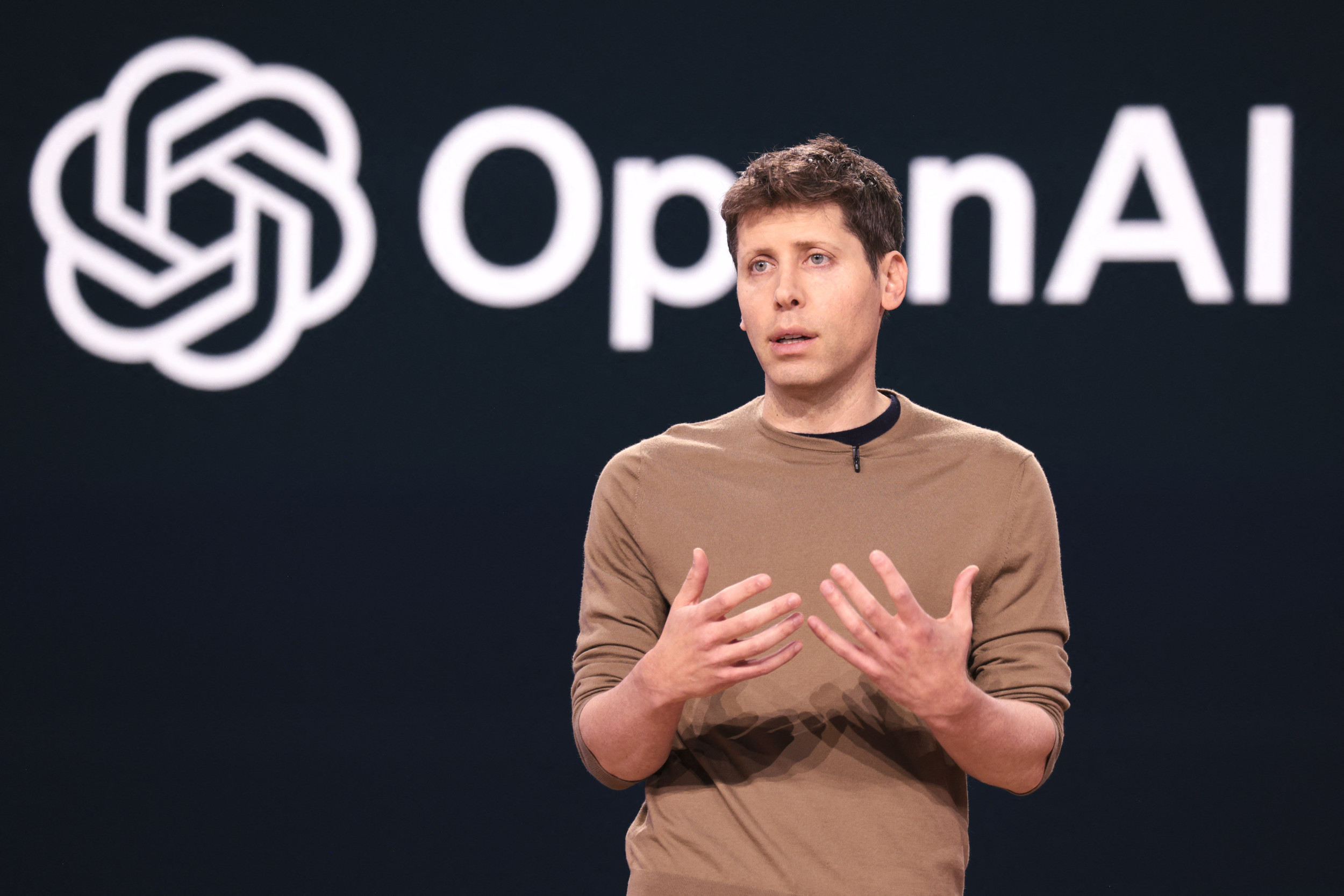
The debate surrounding Sam Altman’s leadership is far from settled. As OpenAI continues to define the boundaries of what is possible in artificial intelligence, the scrutiny of its leadership, culture and governance will only intensify. We invite our readers to join the conversation in the comments section below—how should the leaders of AI labs be held accountable for the culture they create?