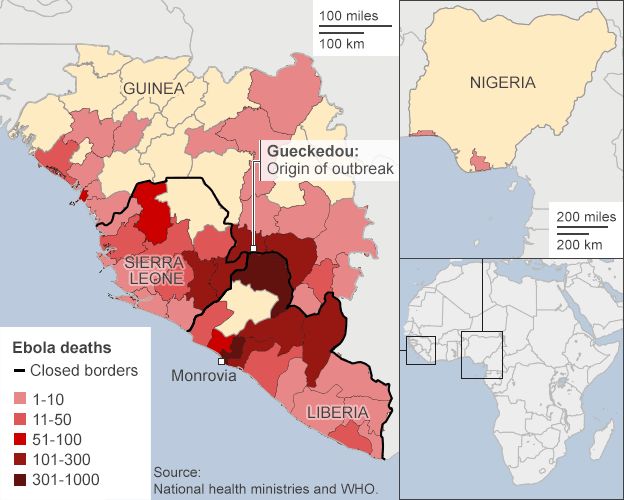
Public health officials continue to emphasize that understanding the transmission dynamics of Ebola virus disease is critical to containment, particularly in regions facing recurring outbreaks. As global health organizations monitor current trends, the focus remains on rigorous infection prevention and control, as direct contact with infected individuals—or those who have succumbed to the virus—remains the primary mode of transmission. According to the World Health Organization (WHO), the virus is introduced into the human population through close contact with the blood, secretions, organs, or other bodily fluids of infected animals, and subsequently spreads through human-to-human transmission via direct contact with the blood or bodily fluids of an infected person.
The persistent challenge in managing Ebola outbreaks is the high risk associated with burial ceremonies. When a person dies from Ebola, their body remains highly infectious. Traditional burial practices that involve direct physical contact with the deceased can accelerate the spread of the virus within communities. Health authorities, including the Centers for Disease Control and Prevention (CDC), have consistently documented that the risk of infection is significantly elevated during the handling of remains, necessitating the implementation of safe and dignified burial protocols to break chains of transmission.
Understanding Ebola Transmission and Risks
Ebola virus disease (EVD), formerly known as Ebola hemorrhagic fever, is a severe, often fatal illness in humans. The virus is transmitted to people from wild animals and spreads in the human population through human-to-human transmission. The incubation period—the time interval from infection with the virus to onset of symptoms—is from 2 to 21 days. A person infected with Ebola cannot spread the disease until they develop symptoms.
The clinical presentation of Ebola often includes the sudden onset of fever, fatigue, muscle pain, headache, and sore throat. Here’s followed by vomiting, diarrhea, rash, symptoms of impaired kidney and liver function, and in some cases, both internal and external bleeding. The severity of the disease underscores the importance of early detection and supportive care. As noted by the World Health Organization, supportive care—rehydration with oral or intravenous fluids and treatment of specific symptoms—improves survival, though no specific treatment has been universally accessible in all historical outbreak settings.
The Critical Importance of Safe Burials
The directive to avoid contact with the deceased is not merely a clinical recommendation but a cornerstone of community-based outbreak response. In many cultures, washing and touching the body of a loved one is a vital part of the grieving process. However, during an Ebola outbreak, these rituals pose an extreme public health risk. The virus persists in the bodies of the deceased, and fluids released during the decomposition process can harbor high concentrations of the pathogen.
Public health strategies now prioritize the deployment of trained safe and dignified burial teams. These teams are equipped with personal protective equipment (PPE) and are trained to handle remains in a manner that respects local traditions while ensuring the safety of family members and the wider community. According to the CDC, these protocols are essential for preventing secondary infections that frequently occur in the aftermath of a death within a household.
Preventative Measures and Community Engagement
Effective outbreak response relies on more than just medical intervention; it requires deep community engagement. Trust between health workers and the local population is paramount. When communities understand why traditional burial practices must be modified, they are more likely to cooperate with health teams. This collaboration is often facilitated by local leaders, religious figures, and community health volunteers who bridge the gap between scientific recommendations and cultural sensitivities.
Preventative measures also extend to the healthcare environment. Health facilities are hotspots for transmission if strict infection control protocols are not followed. This includes the use of dedicated isolation units for suspected or confirmed cases, the mandatory use of appropriate PPE for all staff, and rigorous decontamination procedures for medical equipment and surfaces. The World Health Organization emphasizes that health workers are at higher risk if they do not adhere to these standard precautions consistently.
Global Health Monitoring and Next Steps
International health agencies continue to monitor for new cases and maintain surveillance systems to detect outbreaks early. The global experience with Ebola has led to the development of vaccines, such as the rVSV-ZEBOV vaccine, which has been used in various outbreak settings to protect those at highest risk, including contacts of confirmed cases and frontline workers.
The fight against Ebola is an ongoing global health effort. Future initiatives aim to strengthen healthcare infrastructure in vulnerable regions, enhance diagnostic capabilities, and ensure that rapid response teams are prepared to deploy at the first sign of an outbreak. As we look toward future developments, the international community remains committed to sharing data, resources, and expertise to mitigate the impact of this virus.
We encourage our readers to stay informed through official channels such as the WHO Ebola health topic page for the most recent updates and guidance. If you have questions or insights regarding public health responses to infectious diseases, please feel free to share your thoughts in the comments section below. Your engagement helps foster a better-informed global community.
Related reading