
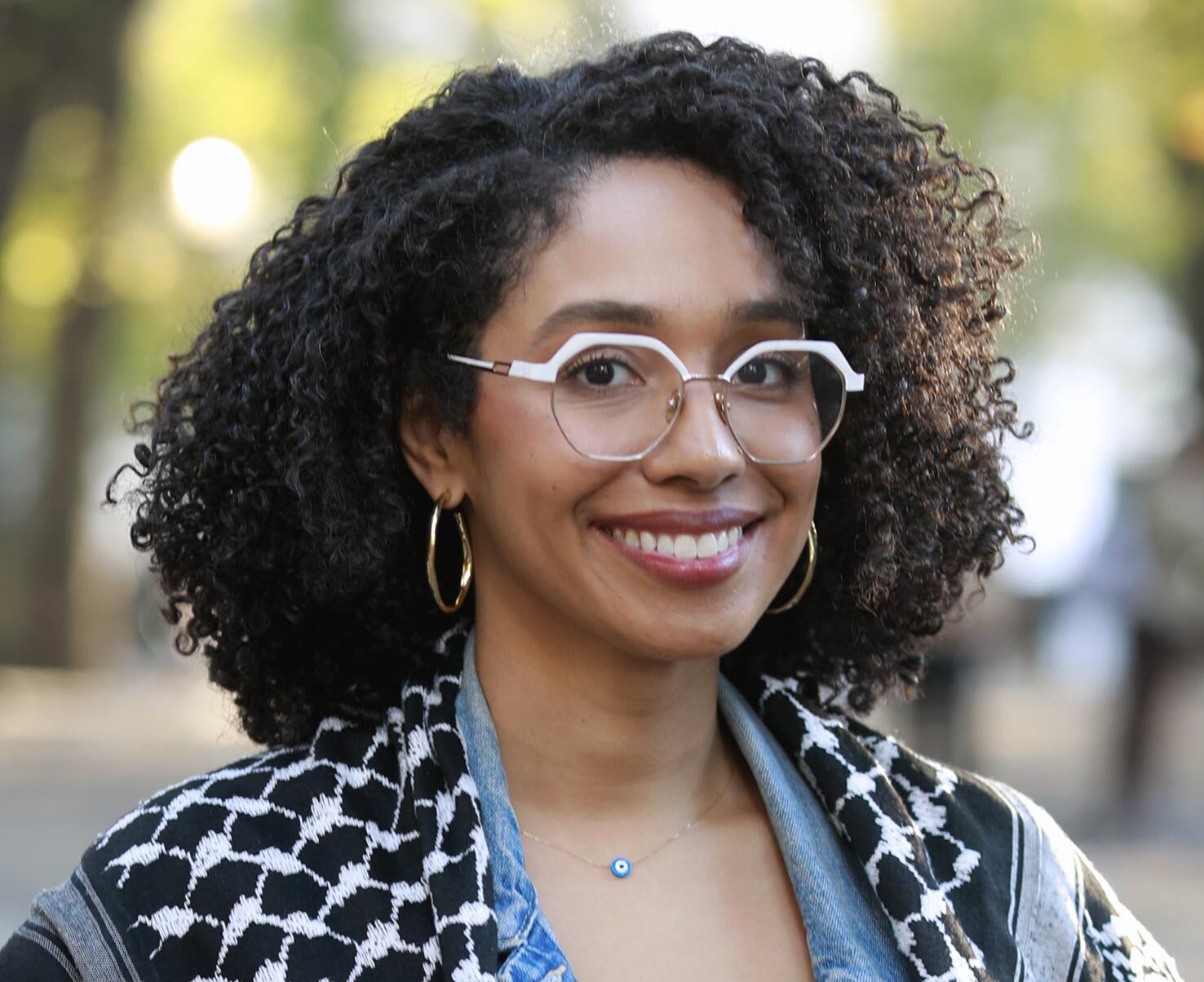
House Minority Leader Hakeem Jeffries is navigating an increasingly complex legislative environment as a growing cohort of anti-establishment, progressive candidates secures seats within the Democratic caucus. These electoral shifts, highlighted by the recent successes of candidates such as Darializa Avila Chevalier, underscore a broader transition in the ideological composition of the House Democratic ranks. As these new members arrive in Washington, party leadership faces the dual challenge of maintaining caucus unity while addressing the demands of a base that is moving further to the left.
The influx of candidates running on platforms that challenge traditional party structures signals a potential shift in how House Democrats may approach upcoming legislative sessions. According to data from the Federal Election Commission, the financial and organizational support for these insurgent campaigns reflects a robust grassroots movement that often operates independently of long-standing party establishment machinery. For Jeffries, who succeeded Nancy Pelosi as the Democratic leader in 2023, the task is to balance the pragmatic requirements of a slim minority with the ideological fervor of a new generation of lawmakers, as reported by the New York Times.
The Changing Composition of the Democratic Caucus
The arrival of new representatives who campaigned on anti-establishment platforms is not an isolated phenomenon but rather part of a sustained trend in Democratic primary elections. Candidates like Darializa Avila Chevalier have utilized digital-first outreach and community-led organizing to unseat or bypass traditional party-backed contenders. This strategy mirrors the success of members of the Congressional Progressive Caucus, which has grown in both size and legislative influence over the past several election cycles, according to reports from Politico.
For leadership, the challenge lies in legislative discipline. When the party holds a thin margin or sits in the minority, every vote becomes essential to the party’s strategy. Progressive lawmakers often leverage their votes to push for more radical policy shifts on issues ranging from climate change to healthcare, which can complicate the party’s ability to build broader coalitions. As noted by the Reuters news agency, the internal friction between moderate Democrats and the rising progressive wing remains a significant point of concern for party strategists looking toward the next election cycle.
Leadership Dynamics Under Hakeem Jeffries
Hakeem Jeffries has historically emphasized unity and the importance of maintaining a cohesive message to counter Republican opposition. However, the rise of candidates who prioritize ideological purity over institutional alignment tests this approach. Unlike his predecessor, whose tenure was marked by a tight grip on caucus discipline, Jeffries is managing a caucus where individual members feel increasingly empowered to challenge the status quo, according to analysis from the Washington Post.
The tension is not merely about policy; it is about the future of the party’s identity. Progressive candidates often argue that the party’s traditional strategies are insufficient to meet the urgency of modern crises. Conversely, more moderate members fear that moving too far left will alienate the swing voters necessary to regain a majority in the House. This internal debate is expected to intensify as the new legislative session begins and committee assignments are finalized.
What Happens Next for House Democrats
The next major checkpoint for the Democratic caucus will be the organization of committee seats and the establishment of the legislative agenda for the upcoming term. Observers will be looking to see how much influence the new progressive cohort is granted in leadership roles or high-profile committee positions. Per the official rules of the U.S. House of Representatives, committee assignments are a primary vehicle for legislative power, and the distribution of these spots will serve as a bellwether for the internal power balance within the party.
Furthermore, upcoming votes on budget resolutions and debt ceiling negotiations will provide a concrete test of how effectively Jeffries can hold his caucus together. If the progressive wing chooses to break with leadership on high-stakes votes, the party’s ability to negotiate effectively will be severely diminished. As of November 2024, no formal challenges to Jeffries’ leadership have been mounted, but the political landscape remains fluid as the new members acclimate to their roles in Washington.
The path forward for the Democratic Party will likely be defined by its ability to synthesize these competing visions into a coherent platform. Whether leadership can integrate the energy of the far left without alienating the center remains the primary question facing House Democrats as they prepare for the next round of legislative battles. We encourage our readers to participate in the conversation by sharing their thoughts on these developments in the comments section below.
Keep reading