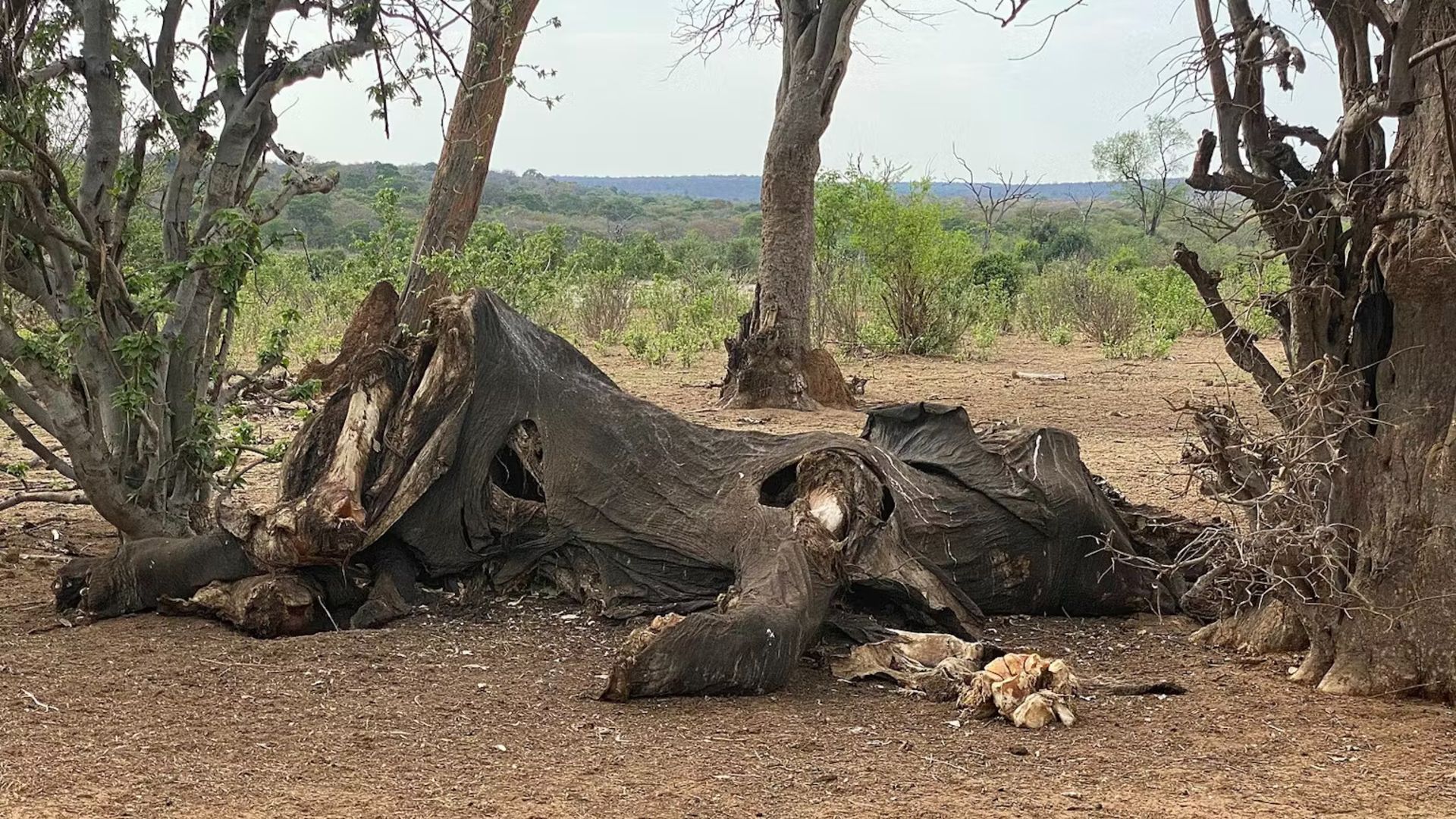
The evolution of the human mind is one of science’s most enduring mysteries, but the answer may have been hidden in the marrow of prehistoric giants. New archaeological evidence suggests that human ancestors butchered and ate elephants as far back as 1.8 million years ago, tapping into a massive caloric resource that likely played a critical role in fueling the development of larger, more complex brains.
This discovery, centered at the renowned Olduvai Gorge in Tanzania, pushes back the timeline of hominin engagement with megafauna—animals weighing more than 1,000kg (2,200 pounds)—significantly earlier than previous estimates. While researchers once believed this behavior began around 1.5 million years ago at the site, evidence from a location known as EAK confirms that our ancestors were interacting with these titans nearly 300,000 years sooner than once thought.
From a medical and nutritional perspective, the shift toward consuming megafauna represents a pivotal moment in human biology. The high-density fats and proteins found in prehistoric elephants provided the intense energy required to sustain the metabolic demands of an expanding brain, facilitating a leap in cognitive evolution that would eventually define the human species.
The Titans of Olduvai Gorge
The primary target for these early hominids was Elephas (Paleoxodon) recki, a prehistoric species that roamed the Tanzanian landscape. This creature was a true titan, estimated to be nearly twice the size of a modern African elephant, which can weigh up to 6,000kg (13,000 lbs). The sheer scale of these animals meant that a single carcass could provide an immense amount of food for a group of ancestors, reducing the risks associated with daily foraging and allowing for more stable social structures.
The findings at Olduvai Gorge indicate that this was not a random occurrence but a sophisticated process of butchery. By utilizing early tools to process these massive carcasses, human ancestors were able to access nutrient-dense tissues that were otherwise unavailable, providing a biological advantage over other competing species in the region. This behavior is detailed in research exploring how early hominids butchered and ate elephants 1.8 million years ago to survive.
Fueling Cognitive Evolution
The correlation between diet and brain size is a cornerstone of anthropology and evolutionary medicine. The brain is an energetically expensive organ. in modern humans, it consumes a disproportionate amount of the body’s total energy. For early hominins to evolve larger brains, they required a diet rich in calories and essential fatty acids.
Eating megafauna provided a concentrated source of these nutrients. The transition from a primarily plant-based diet or small-game scavenging to the butchery of animals like Elephas recki allowed for a caloric surplus. This surplus is believed to have “fueled” the growth of the brain, enabling the development of higher-order thinking, better tool use, and more complex communication.
The Impact on Proboscidean Diversity
While the consumption of these giants aided human survival, it coincided with a dramatic shift in the population of proboscideans—the order of animals that includes elephants. For 60 million years, this group diversified and adapted to various climate changes, evolving tougher teeth to eat grass and expanding their geographic reach across the globe.
However, the arrival of early humans appears to have altered the trajectory of these species. According to an AI-assisted analysis of thousands of fossils conducted by Torsten Hauffe at the University of Fribourg in Switzerland, the extinction rate of elephant-like animals increased fivefold when early humans evolved around 1.8 million years ago. Hauffe suggests that if early humans had not appeared, the number of proboscidean species would likely still be increasing.
The Decline of the Giants: A Timeline
The decline of these animals was not immediate but occurred in waves as human populations grew and migrated. The following table outlines the estimated decline of proboscidean species over time:
| Time Period | Estimated Number of Species | Key Context |
|---|---|---|
| 1.8 Million Years Ago | Approximately 30 | Early humans evolve; territories begin to overlap. |
| 1 Million Years Ago | Decreasing | Extinction of species like Deinotherium bozasi. |
| 130,000 Years Ago | 15 | Modern humans begin spreading globally. |
| Present Day | 3 | Only Asian, African bush, and African forest elephants remain. |
One notable example of this loss is Deinotherium bozasi, an African species characterized by distinctive tusks that pointed downwards and backwards from its lower jaw. This unique creature went extinct approximately one million years ago, contributing to the overall trend of species loss that accelerated as human hunting became more prevalent following human evolution.
A Scientific Debate on Extinction
Despite the evidence linking human evolution to increased extinction rates, the scientific community remains divided on the primary cause of the proboscideans’ fall. Some researchers argue that human hunting was the key factor in the loss of dozens of species over the last two million years.
Conversely, other research suggests that broad global patterns of proboscidean extinction could be reproduced without considering the impacts of early human migration. While this does not conclusively disprove human involvement, it suggests that climate change and environmental shifts may have played a more significant role than previously assumed. This nuance highlights the complexity of prehistoric ecosystems, where human activity and natural environmental pressures often overlapped.
What So for Modern Science
The study of early butchery sites like EAK in Olduvai Gorge provides more than just a history of diet; it offers a window into the behavioral sophistication of our ancestors. The ability to coordinate the butchering of an animal nearly twice the size of a modern elephant implies a level of social cooperation and planning that was previously underestimated for hominins of that era.
For health professionals and evolutionary biologists, these findings reinforce the “expensive tissue hypothesis,” which posits that the energy saved by eating high-calorie, nutrient-dense foods allowed the body to divert energy away from the digestive system and toward the brain. This biological trade-off was essential for the emergence of the genus Homo.
As researchers continue to apply AI and statistical modeling to fossil records, the timeline of human-megafauna interaction will likely continue to shift. The current evidence points to a symbiotic, albeit destructive, relationship: the very animals that our ancestors hunted to fuel their intellectual ascent were pushed toward the brink of extinction by that same evolutionary success.
The next phase of research in this field will likely involve further excavations at Olduvai Gorge and similar sites across Africa to determine if this butchery behavior was widespread or limited to specific populations. Updates on these archaeological findings are typically released through peer-reviewed journals and institutional announcements from anthropology departments.
Do you believe the dietary shift to megafauna was the primary driver of human intelligence, or just one of many factors? Share your thoughts in the comments below.