
Earth is bracing for a moderate solar event as a G2-class geomagnetic storm is expected to impact the planet between Thursday, April 16 and Friday, April 17, 2026. The announcement comes as solar activity intensifies, prompting global monitoring agencies to alert the public and technical sectors to potential disturbances.
The event was announced by the Space Weather Prediction Center (SWPC) of the NOAA, the United States government agency specialized in environmental monitoring and meteorology. According to officials, the storm is the result of a massive Coronal Mass Ejection (CME) that erupted from the Sun’s surface in recent hours.
Although the term “solar storm” often triggers public concern, experts emphasize that a G2 classification represents a moderate intensity event. The projected effects are considered manageable, and the phenomenon is described as part of the Sun’s normal activity cycle. But, the interaction between solar plasma and Earth’s magnetic field can create measurable ripples across various technological systems.
Understanding the G2 Geomagnetic Storm and CMEs
To understand the impact of this upcoming event, It’s necessary to define the trigger: the Coronal Mass Ejection. A CME is a colossal release of plasma and magnetic fields from the solar corona, which is the outermost layer of the Sun’s atmosphere. During these events, the Sun can expel billions of tons of coronal material into space.
This expelled plasma carries a “frozen” magnetic field that is often more intense than the background solar wind constantly moving through the interplanetary system. When this material reaches Earth, it interacts with the planet’s own magnetic field, generating a geomagnetic storm. The “G2” rating indicates a moderate storm, which is a step above the minor G1 level but significantly less severe than the extreme G5 category.
Potential Risks to Technology and Communications
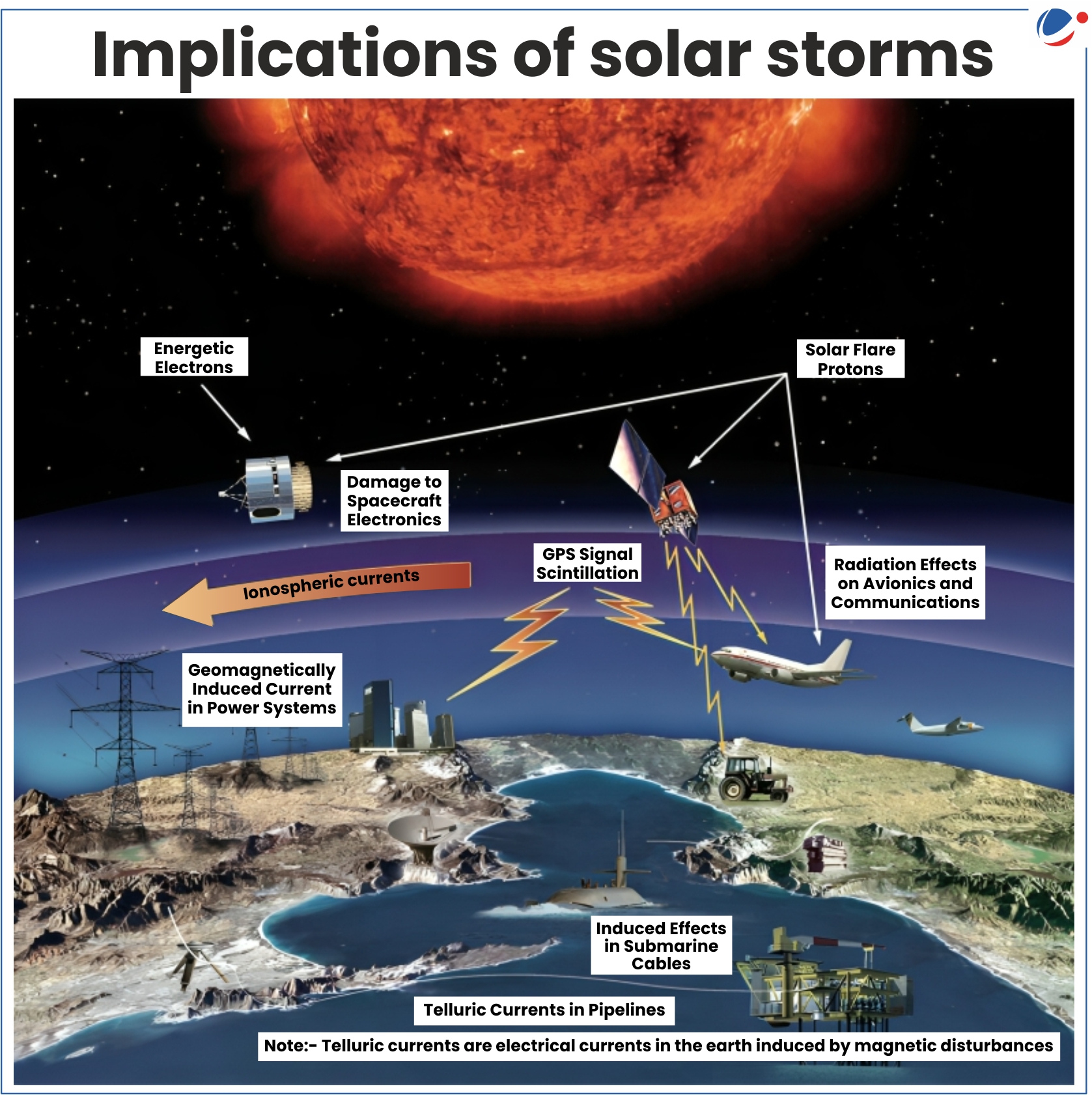
Although the risks are limited, a G2 storm can cause specific disruptions to the infrastructure that relies on satellite and radio transmissions. According to reports, the primary areas of concern include:

- Communications: Potential disturbances to high-frequency radio signals.
- Navigation: Possible interference with GPS and other satellite-based navigation systems.
- Satellite Operations: Increased volatility in satellite signals as they pass through the disturbed ionosphere.
Both NASA and other international bodies are closely monitoring the CME’s trajectory and intensity to evaluate any further repercussions. Experts maintain that these technological effects should remain within manageable limits without causing critical failures.
Looking Ahead: The April 19-20 Window
The current G2 storm is not the only solar event of interest this week. Astronomers have identified a second, separate phenomenon: a giant coronal hole that has appeared on the Sun. A coronal hole is a region where the Sun’s corona is less dense and open magnetic field lines allow solar wind to escape at higher speeds.
This coronal hole is expected to orient itself toward Earth shortly. According to experts, the resulting surge in solar wind could trigger another geomagnetic storm around April 19 or 20, 2026, as reported by Fanpage. This suggests a period of heightened solar activity for the planet throughout the third week of April.
Quick Guide: Solar Storm FAQs
| Event Type | Expected Date | Intensity/Cause | Primary Risk |
|---|---|---|---|
| Geomagnetic Storm | April 16-17, 2026 | G2 (Moderate) / CME | Radio &. Satellite interference |
| Potential Storm | April 19-20, 2026 | TBD / Coronal Hole | Solar wind disturbances |
As the first storm arrives tomorrow, the global scientific community will continue to track the plasma’s interaction with the Earth’s magnetosphere. The next critical checkpoint will be the arrival of the solar wind from the coronal hole, with updates expected around April 19.

We invite our readers to share this update and leave their comments below regarding any observed disruptions in satellite or radio services in their region.