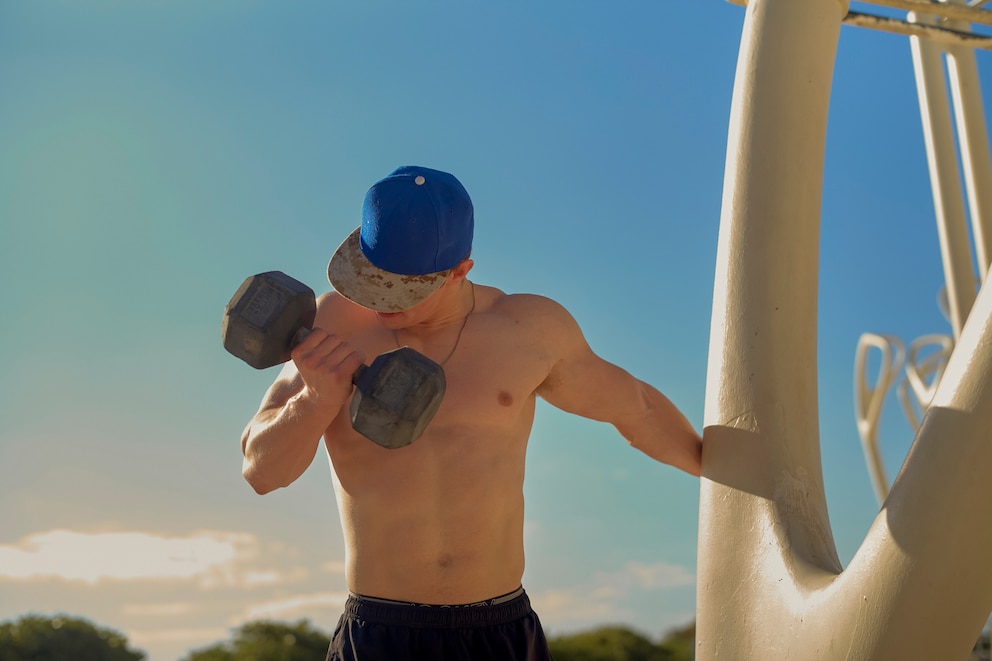
Working out during intense summer weather alters human physiology in distinct ways, directly impacting how skeletal muscle adapts to resistance training. When environmental temperatures soar, the cardiovascular system must manage both the demands of lifting weights and the critical task of thermoregulation. According to sports medicine research and physiological studies, the human body prioritizes cooling by redirecting blood flow toward the skin.
This physiological shift changes the internal environment for athletes and fitness enthusiasts alike. Understanding how heat affects muscular performance helps practitioners adjust their routines to maintain hypertrophy and strength gains without risking heat-related illness. Exercise physiologists emphasize that while building muscle remains entirely possible during warm weather, expectations and recovery protocols must adapt to the thermal load.
When ambient temperatures rise significantly, the body initiates vasodilation, meaning blood vessels near the skin expand to release excess body heat into the environment. As a result, a greater volume of blood circulates toward the skin rather than remaining pooled in the core and working skeletal muscles. This redistribution ensures proper core temperature regulation during strenuous exertion.
However, this cardiovascular adjustment means that less blood volume is immediately available for the working musculature during resistance training. With reduced local blood flow, active muscle tissues receive slightly less oxygen and nutrients per minute compared to exercising in a temperature-controlled environment. Sports scientists note that this circulatory competition between thermoregulation and muscular output can cause perceived exertion to spike earlier in a workout.
Hypertrophy, or the process of building muscle size, relies fundamentally on mechanical tension, metabolic stress, and progressive overload. High temperatures do not inherently block these cellular triggers, meaning muscle protein synthesis can still occur effectively. Nevertheless, reduced working capacity and quicker fatigue can hinder an individual’s ability to complete their usual volume or lift maximal loads.
To stimulate muscle growth effectively in hot weather, training sessions require strategic adjustments rather than sheer brute force. Reducing training volume slightly, extending rest periods between heavy sets, and exercising during cooler morning or evening hours help mitigate the physiological strain of heat. Additionally, proper hydration supports plasma volume, helping to sustain cardiac output and muscular performance during intense routines.
Recovery also plays a magnified role when training under thermal stress. Elevated ambient temperatures increase overall systemic inflammation and place extra stress on the central nervous system. Ensuring adequate sleep, consuming sufficient electrolytes alongside water, and prioritizing post-workout nutrition allow the body to repair muscle tissue efficiently despite the environmental challenges.
Fitness enthusiasts looking for official guidance on exercising safely during high-temperature advisories can consult public health resources such as the Centers for Disease Control and Prevention heat safety guidelines. These advisories outline critical warning signs of heat exhaustion and heatstroke, helping athletes distinguish normal fatigue from medical emergencies.
Related reading