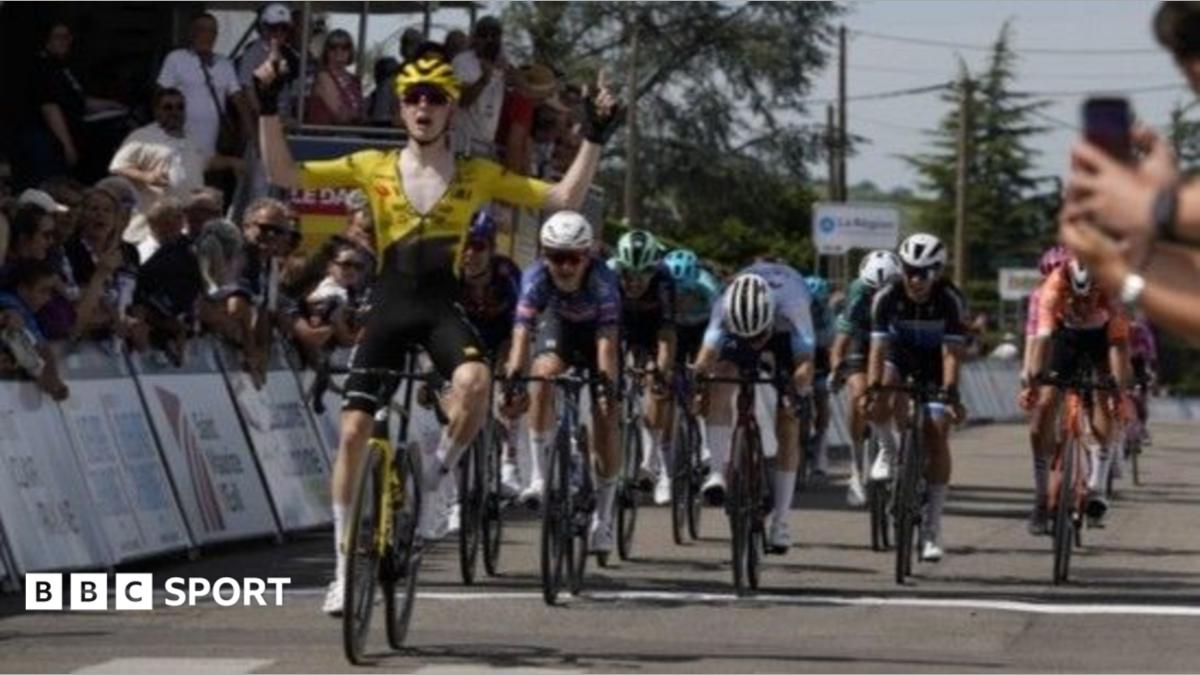
Scottish cyclist Elliot Rowe is approaching his upcoming competitive opportunities with a heightened sense of urgency, driven by the formative lesson learned from his mother’s premature exit from professional sport. Rowe, who has emerged as a significant talent in British cycling, credits his mother’s experience—where a career on two wheels was cut short abruptly—as the primary influence behind his disciplined approach to training and his determination to maximize every chance he gets to compete at the elite level.
The perspective gained from his family history serves as a cornerstone for Rowe’s professional philosophy. While many athletes focus exclusively on long-term podium goals, the Scot emphasizes the importance of treating every session and race as a unique window of opportunity. This mindset is particularly relevant as he navigates the high-pressure environment of international cycling, where injury or shifts in team selection can end a career path in an instant.
The Influence of Family on Athletic Resilience
For Elliot Rowe, the reality of sport is defined by its inherent fragility. His mother, who was also a competitive cyclist, saw her own career trajectory halted unexpectedly, a narrative that has become a defining lesson for the younger athlete. According to reports from BBC Sport, Rowe has explicitly cited this family history as the reason he refuses to take his current standing for granted. By witnessing the sudden closure of a door that his mother had spent years opening, he has developed a proactive approach to his own development.
This awareness acts as a psychological buffer against the burnout and frustration common in endurance sports. In elite cycling, where the margin between success and total withdrawal is often measured in seconds or millimeters, understanding that the opportunity to compete is not guaranteed allows athletes like Rowe to maintain a high level of engagement. This “make the most of it” mentality is not merely a motivational trope; it is a tactical choice to ensure that no preparation cycle is wasted.
Navigating the Competitive Cycling Landscape
Rowe’s development is part of a broader trend in British cycling, which continues to prioritize the integration of young talent into the international circuit. The sport remains highly data-driven, with performance directors looking for athletes who demonstrate both physical capacity and mental fortitude. As noted by the British Cycling governing body, the transition from junior to senior ranks requires more than just raw power; it demands a psychological maturity that allows riders to handle the volatility of professional racing schedules.
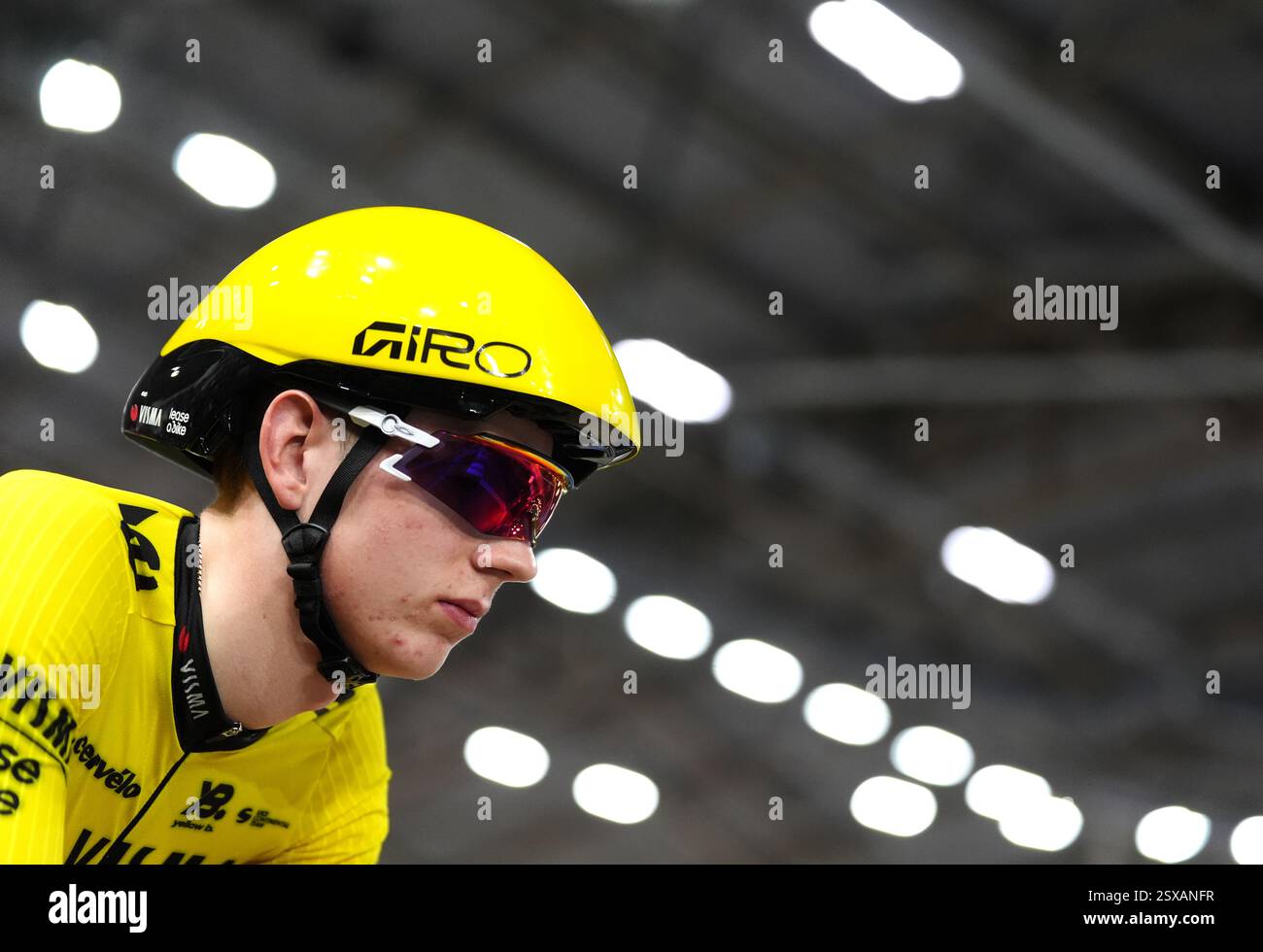
The pressure on young riders to perform in major Games and championships is significant. With the evolution of the sport, the requirements for selection have become increasingly stringent. Rowe’s ability to channel his mother’s experience into his daily work ethic provides him with a degree of internal stability that coaches often value as highly as his wattage outputs. This emotional grounding is essential when dealing with the travel, training loads, and the inevitable setbacks that define a professional cyclist’s year.
Preparation for Future International Events
Looking ahead, the focus for athletes in the British system remains on maintaining peak condition for upcoming international cycles. While specific selection lists for future Games are subject to ongoing performance evaluations by national selectors, the emphasis remains on consistent output. For a rider like Rowe, the goal is to ensure that when the opportunity to represent his country or team arises, he has already done the necessary work to be in the best possible position to succeed.
The sport of cycling continues to evolve, with new technologies and training methodologies being introduced at a rapid pace. According to data provided by the Union Cycliste Internationale (UCI), the competitive calendar for the current season includes a rigorous series of events designed to test both the physical durability and tactical acumen of the world’s top riders. Participation in these events is the primary pathway for athletes to secure their spots in major global competitions.
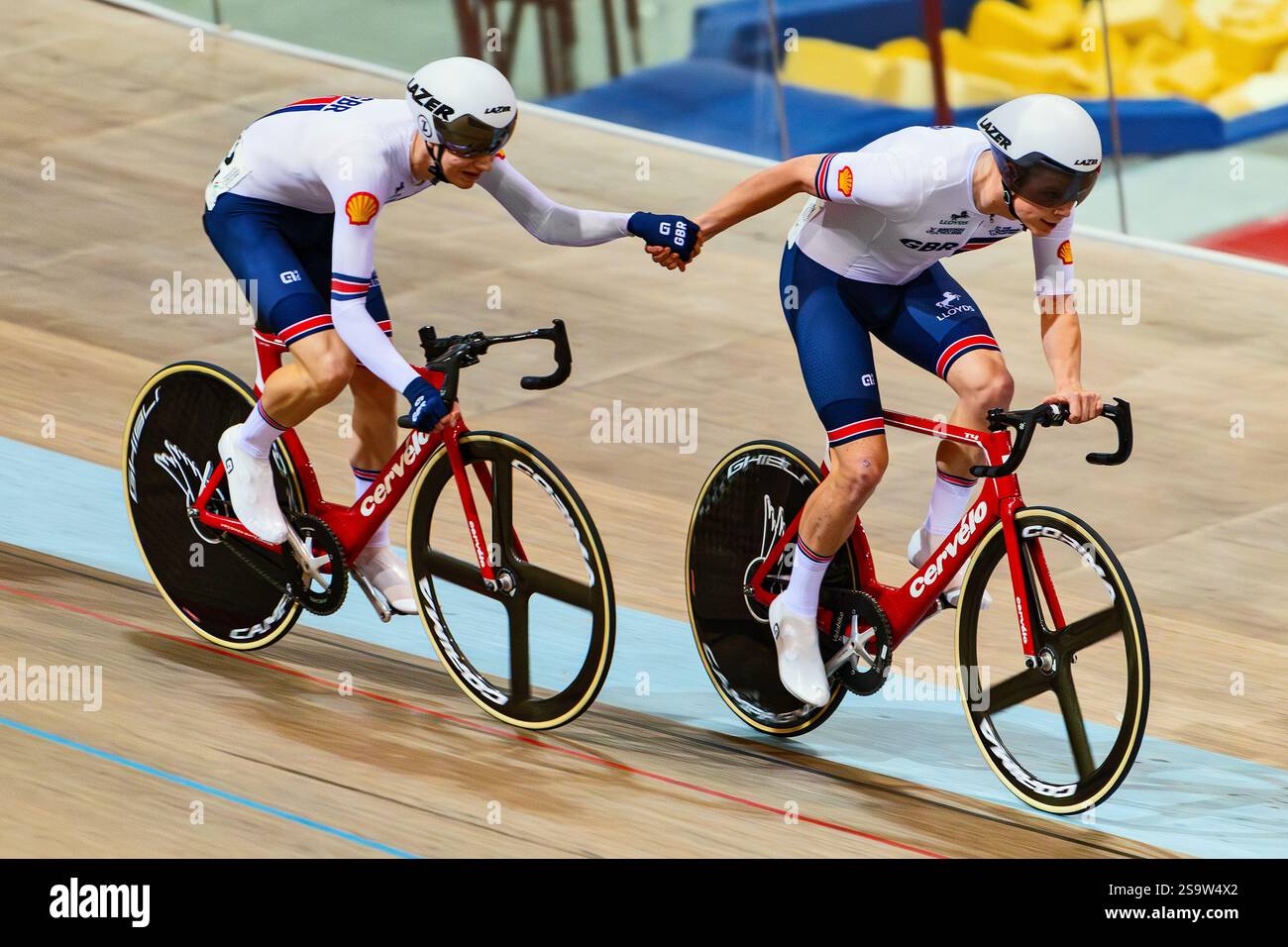
As the season progresses, fans and analysts will be watching to see how Rowe’s internal motivation translates to the road. The blend of inherited wisdom and personal discipline provides a compelling narrative for his career trajectory. His commitment to treating every race with the gravity of a final opportunity is a trait that may prove decisive as he pushes to establish himself further within the international peloton.
The next major checkpoint for many riders in the British circuit involves upcoming national and international ranking events, where performance will dictate future selection criteria. Readers interested in the latest updates on cycling performance and upcoming competition schedules can monitor the official British Cycling event calendar for the most recent announcements. We invite our readers to share their thoughts on the role of family influence in professional sports in the comments section below.