
How Hospital Referral Patterns Shape CareChoice’s Expansion Strategy
CareChoice, a Pennsylvania-based home health and personal care provider, is expanding its geographic footprint based on hospital referral patterns and state Medicaid policies—strategies that have led to acquisitions in Texas and planned organic growth in Georgia, Ohio, and Arizona.
Founded by Arsen Ustayev, CareChoice currently serves approximately 1,400 clients across Florida, Pennsylvania, Michigan, and Texas, employing around 1,500 caregivers. The company’s growth strategy hinges on two critical factors: the willingness of hospital systems to refer patients to external agencies and the regulatory landscape of Medicaid programs in each state.
According to Ustayev, hospital referral behavior is the “top opportunity for growth” in the industry, as identified by a 2023 survey of home health providers. In states like Pennsylvania, where hospital networks maintain their own home health systems, CareChoice has scaled back skilled care services due to limited referral opportunities. Conversely, in Florida and Texas, where hospitals refer patients to community-based agencies, CareChoice has successfully expanded its skilled home health services.
Key Takeaway: Hospital referral patterns determine which states CareChoice can viably offer skilled home health services, with Florida and Texas proving more conducive than Pennsylvania or Michigan.
Why Hospital Referrals Decide Where CareChoice Operates
CareChoice’s service offerings vary by state due to differences in hospital referral practices and Medicaid regulations. In Pennsylvania, for example, hospital networks control their own home health agencies, limiting CareChoice’s ability to secure skilled patient referrals. As Ustayev explains, “Most of your skilled patients are the ones getting discharged from a hospital. The hospital doesn’t call or provide an option to refer out—they just self-refer.”
This dynamic contrasts sharply with Florida and Texas, where hospitals do not operate their own skilled home health agencies. As a result, CareChoice can access a steady stream of referrals in these states, enabling it to offer comprehensive skilled care services. “In Florida and Texas, we have no issues with referrals,” Ustayev states. “Hospitals refer out to the community, which is why we’re able to grow there.”
Regulatory Nuances: Florida prohibits the “choose-your-own family caregiver” model, requiring assigned aides for Medicaid recipients, while Michigan and Texas allow family caregivers to provide services under certain conditions.
Verification: CareChoice’s service differentiation by state aligns with CMS guidelines on state Medicaid variations and federal home health regulations.
Medicaid vs. Private Pay: A Geographic Decision
CareChoice’s focus on Medicaid-driven care stems from its geographic footprint. In Philadelphia, where the company is headquartered, the majority of potential clients rely on Medicaid due to lower-income demographics. “Philadelphia doesn’t have a whole lot of high-income individuals who could afford private pay,” Ustayev notes. “Most people get Medicaid assistance for care.”

However, the company acknowledges that private pay becomes more prevalent in suburban areas with higher-income populations. This geographic variability influences CareChoice’s service mix, with Medicaid remaining the primary revenue driver in its current markets.
Market Impact: Medicaid accounts for approximately 60% of long-term care spending in the U.S., making it a critical focus for home health providers.
Expansion Strategy: Acquisitions vs. Organic Growth
CareChoice’s 2024 expansion includes both acquisitions and organic growth. The company acquired a Texas-based agency on March 1, 2024, and has submitted license applications for Georgia, Ohio, and Arizona, aiming to establish operations in at least two of these states by year-end. Meanwhile, existing locations in Michigan and Florida are prioritized for growth.
Ustayev’s preference for organic growth in new states stems from the risks associated with acquisitions in the home care industry. Unlike asset acquisitions (common in restaurants or retail), home care agencies typically involve stock transfer acquisitions, where the acquiring company inherits both the assets and liabilities of the target. “If they’ve been doing something bad for the past two years, now it’s my responsibility,” Ustayev warns.
Growth Challenges: Michigan’s transition from fee-for-service to a managed care Medicaid model has created operational hurdles. CareChoice has secured contracts with one managed care organization and is negotiating with three others, but the state’s regulatory uncertainty has slowed expansion.
Data compiled from CareChoice corporate filings and state Medicaid program reports.
Medicaid Fraud Crackdowns and Industry Reputation
Ustayev expresses concern about the Biden administration’s Medicaid fraud enforcement, which he views as necessary but overbroad. “There are bad apples out there, and they need to go away,” he states. “But when they paint the whole industry as fraudulent, it’s not true. Out of 100 providers, maybe five are bad.”
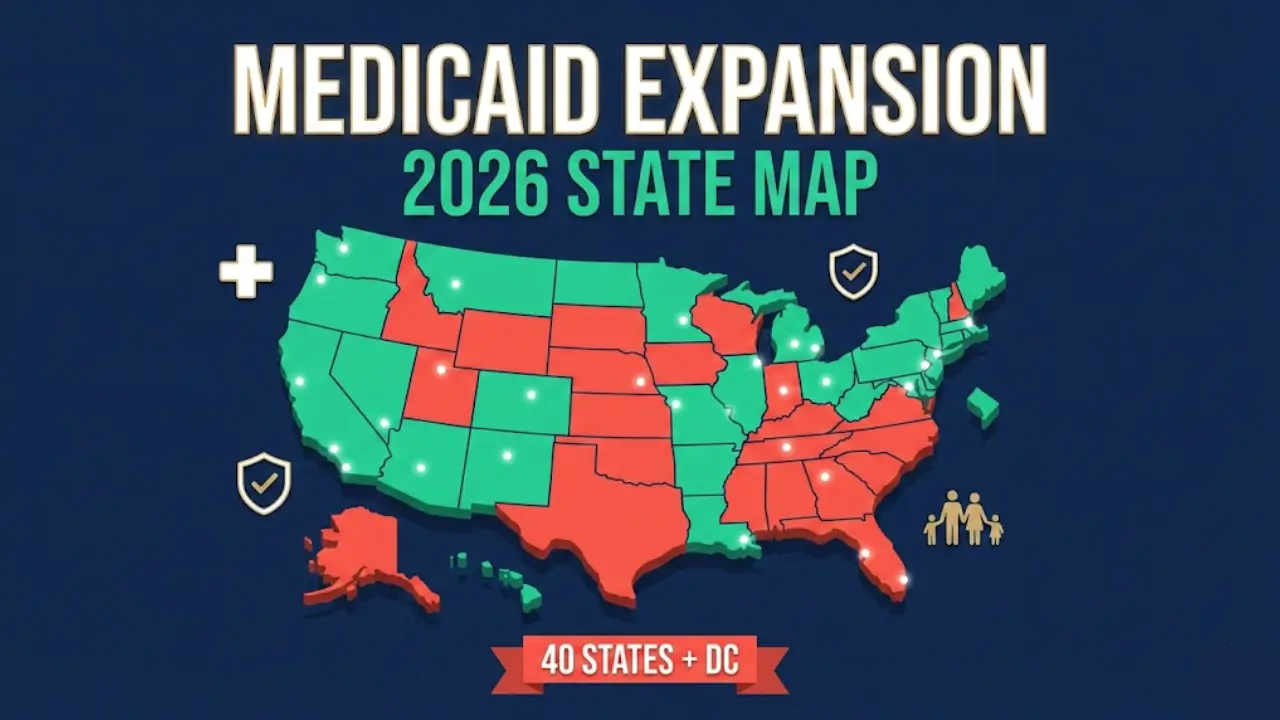
This reputational risk contrasts with the potential expansion of Medicare home care benefits, a proposal advocated by Senator Ron Wyden (D-OR) and other Democratic lawmakers. Ustayev supports such legislation, citing the consistency of CMS-regulated skilled home health services compared to the fragmented Medicaid system. “If they ever get a home care Medicare benefit done, it would be awesome,” he says, noting that uniform regulations would simplify operations across states.
Policy Context: The Medicare Home Care Benefit Act (S. 4053), introduced in 2023, aims to provide home health services under Medicare, potentially expanding access for millions of seniors.
What’s Next for CareChoice: 2025–2027 Outlook
Looking ahead, CareChoice’s priorities include:
- State Licensing: Finalizing operations in Georgia and Arizona, with Ohio as a potential third market.
- Michigan Recovery: Completing contracts with remaining managed care organizations to stabilize growth.
- Policy Advocacy: Monitoring federal proposals for Medicare home care benefits and state Medicaid reforms.
- Service Expansion: Evaluating new service lines, such as palliative care or dementia-specific programs, based on state regulations.
Next Checkpoint: CareChoice’s next quarterly earnings report (expected Q3 2024, October 2024) will provide updates on license approvals and Michigan contract progress.
How does your state’s Medicaid program compare to others in terms of home health referrals? Share your experiences in the comments below—or connect with Dr. Fischer on Twitter to discuss healthcare policy trends.
Sources: CareChoice corporate statements (2024), CMS Medicaid regulations (Medicaid.gov), KFF Medicaid data (KFF.org), and U.S. Senate legislative records (Congress.gov).
Keep reading
- Tuberculosis Outbreak in France: Authorities Launch Contact Tracing After Surge in Cases
- FDA Issues New Safety Guidelines for Fresh-Cut Fruit Preparation and Packaging
- LSU vs. Texas A&M Basketball Schedule: February Dates (news-usa.today)
- Pax Silica: Driving Economic Growth and Industrial Development in Central Luzon (archyworldys.com)