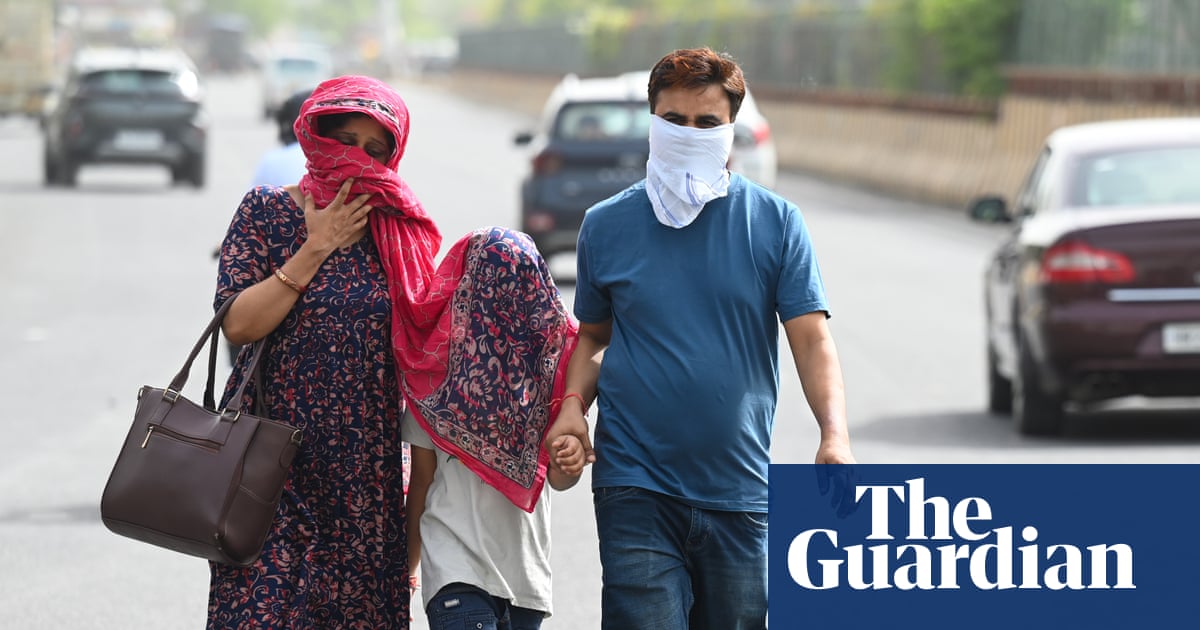
Extreme heatwaves across India are forcing widespread school closures in several states, including Delhi, which is disproportionately impacting working women. As temperatures frequently exceed 45°C (113°F) in northern regions, mothers are increasingly forced to choose between maintaining employment and managing childcare at home, a trend that threatens to deepen gender inequalities in the Indian workforce.
The India Meteorological Department (IMD) has issued multiple heatwave alerts throughout much of the spring and early summer of 2024, as record-breaking temperatures sweep across the subcontinent. In response to these life-threatening conditions, state governments in Delhi and approximately half of India’s 28 states have implemented orders to close schools or shift to online learning models for extended periods.
While school closures are intended to protect children from heatstroke and dehydration, the sudden shift in childcare responsibilities has created a secondary crisis for households. For many working mothers, the lack of institutional childcare during these heat-induced breaks necessitates a withdrawal from the labor market or a significant reduction in working hours to manage domestic duties and supervise children during online classes.
How are heatwaves affecting schools in India?
School closures have become a recurring necessity as summer temperatures in India continue to rise. In Delhi, the capital, authorities have frequently ordered schools to close or transition to remote learning during the peak heat months of May and June. According to local education department mandates, these closures are often triggered when the heat index reaches levels deemed unsafe for children in classrooms that may lack adequate ventilation or cooling infrastructure.
The pattern of closures is shifting. While summer breaks were traditionally scheduled for the hottest months, the intensity and duration of heatwaves are now forcing mid-term shutdowns. School officials in several northern states have reported that the number of days schools must remain closed due to extreme weather has risen sharply in recent years. These closures often extend from mid-May through the end of June, overlapping with the traditional summer vacation period.
The transition to online learning, while intended to maintain educational continuity, presents its own set of challenges. Many families in urban areas, such as Delhi, struggle to balance the requirements of digital schooling with the physical demands of managing a household in extreme heat. For students in lower-income brackets, the “digital divide”—the gap in access to high-speed internet and reliable hardware—can turn a temporary school closure into a long-term educational setback.
Why are working mothers bearing the brunt of the heat?
The climate crisis is not gender-neutral. In India, the intersection of extreme heat and traditional domestic roles places a disproportionate burden on women. As schools close, the responsibility for childcare almost exclusively falls on mothers, even in households where both parents are employed. This “double burden” forces many women to make difficult economic trade-offs.

Sociologists and labor experts note that the lack of flexible work arrangements in many sectors makes it nearly impossible for women to remain in the workforce when schools are shut. “Women are often the first to withdraw from formal employment when domestic stability is threatened by environmental factors,” according to reports on gendered climate impacts in South Asia. This withdrawal is not limited to white-collar roles; it also affects women in the informal sector, who may face increased health risks while performing outdoor labor or managing water scarcity during heatwaves.
The stress of managing a household during a heatwave is compounded by the physical demands of the environment. In many Indian cities, the rising cost of electricity for air conditioning means that even middle-class families struggle to maintain comfortable indoor temperatures. For mothers, the task of ensuring children stay hydrated and safe while managing household chores becomes an exhausting, full-time endeavor that is incompatible with a standard workday.
What are the economic implications of rising temperatures?
The economic impact of India’s heatwaves extends beyond individual households to the national economy. Heat stress reduces labor productivity, particularly in sectors like construction, agriculture, and manufacturing, which are vital to India’s GDP. According to data from the International Labour Organization (ILO), extreme heat could significantly reduce the number of working hours globally, with South Asia being one of the most vulnerable regions.
When women are forced out of the workforce due to climate-related childcare crises, the broader economy loses valuable human capital. This trend can lead to a long-term decline in female labor force participation rates, which has been a point of concern for Indian policymakers seeking to drive economic growth through inclusive development. The loss of income for women not only affects family stability but also slows the progress of gender parity in the professional sphere.
Furthermore, the cost of adaptation is rising. Businesses are being forced to invest more in climate-resilient infrastructure, such as enhanced cooling systems and adjusted working hours, to protect their employees. While these measures are necessary, they represent a significant capital expenditure that can strain small and medium-sized enterprises (SMEs) that form the backbone of the Indian economy.
What is the long-term outlook for India’s climate resilience?
As heatwaves become more frequent and intense, the current reactive approach—closing schools and issuing temporary alerts—may prove insufficient. Experts suggest that India requires a more systemic approach to climate adaptation that includes urban planning, improved public health infrastructure, and social safety nets specifically designed for climate-induced disruptions.

Urban heat island effects, where metropolitan areas like Delhi and Mumbai become significantly hotter than surrounding rural areas due to concrete density and lack of green space, are a growing concern. Addressing this requires massive investment in “green infrastructure,” such as urban forests and reflective building materials, to lower ambient temperatures in densely populated neighborhoods.
On a policy level, there is a growing call for labor laws that account for extreme weather. This includes mandated rest breaks, adjusted work schedules to avoid peak heat hours, and perhaps more importantly, the expansion of state-supported childcare services that can remain operational during environmental emergencies. Without these structural changes, the cycle of heat-induced economic and social disruption is likely to continue.
Key Takeaways: Heatwaves and Social Impact
- School Disruptions: Extreme temperatures are forcing schools in many Indian states to close or move online, disrupting standard academic calendars.
- Gendered Impact: The responsibility for childcare during closures falls primarily on women, leading to increased work absenteeism and job loss among mothers.
- Economic Risk: Reduced female labor participation and lower overall worker productivity pose significant risks to India’s long-term economic growth.
- Urban Vulnerability: The “urban heat island” effect exacerbates temperature spikes in major cities, making school and workplace safety more difficult to manage.
The next major checkpoint for monitoring this crisis will be the release of the seasonal monsoon forecasts by the India Meteorological Department, which will determine whether the upcoming rains provide relief or if the heat-driven social disruptions will persist into the latter half of the year.
Do you think schools should implement permanent remote-learning options during heatwaves, or is the impact on working parents too great? Share your thoughts in the comments below and share this article to join the conversation.