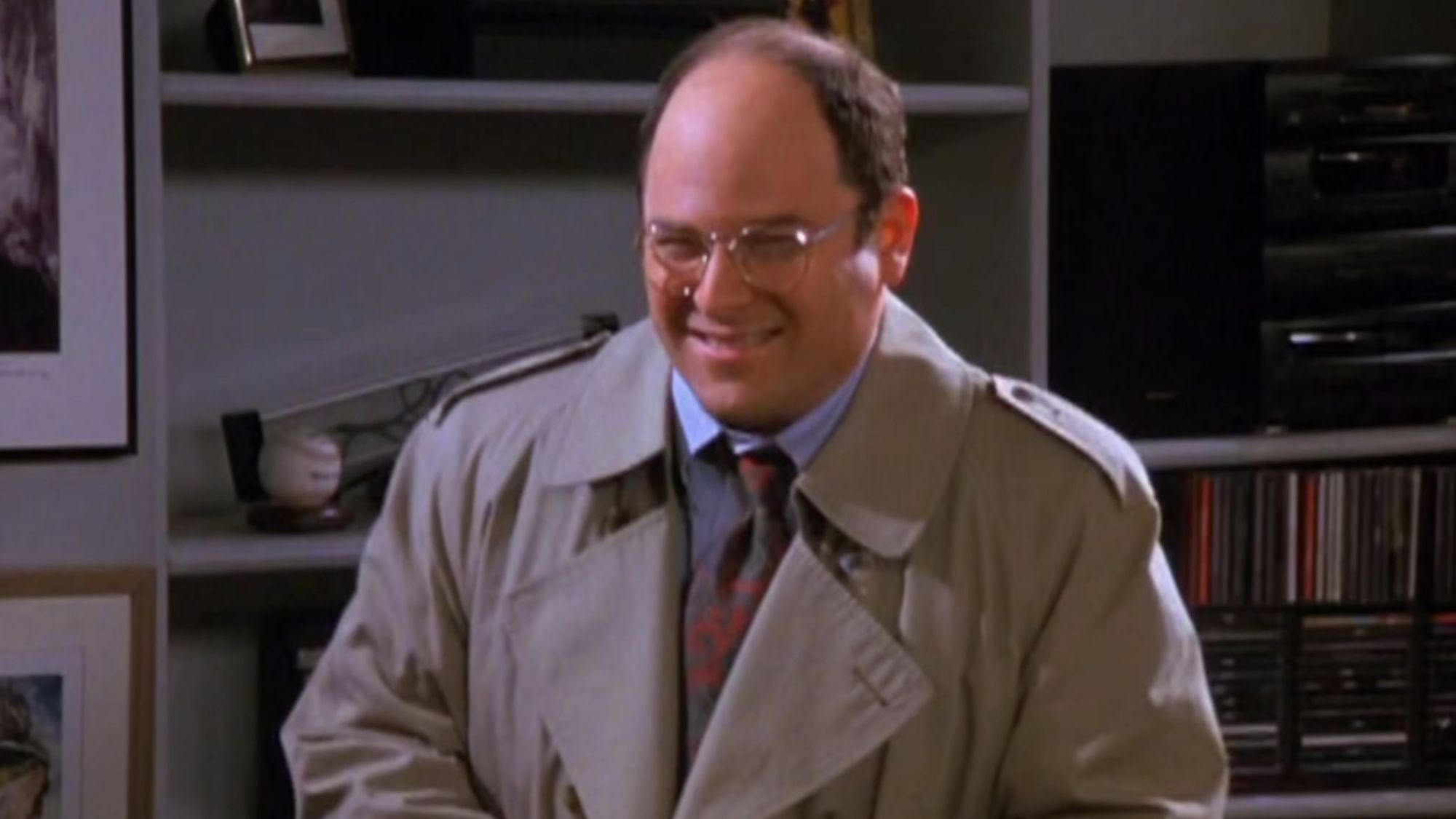
Long before George Costanza became television’s quintessential architect of petty neurosis and social disaster, actor Jason Alexander struggled to comprehend why anyone would behave quite so absurdly. During the early days of filming NBC’s iconic sitcom Seinfeld, Alexander found himself bewildered by the character’s relentless panic over trivial interactions and elaborate schemes. It was not until the actor realized that George was actually a direct, thinly veiled fictionalization of co-creator Larry David that the performance finally clicked, unlocking the frantic, unapologetic energy that defined the role.
Speaking in a recorded interview with the Archive of American Television, Alexander detailed the exact moment of confusion during the show’s formative episodes. The writers had crafted a scenario for George that struck the actor as entirely improbable, followed by a reaction he considered completely detached from human reality. Unsure of how to approach the material, Alexander confronted David directly after a table read to express his disbelief. According to Alexander’s recollections shared from the archive footage, he told David that the situation would never happen to anyone, and even if it did, no human being would react that way.
David’s response provided an immediate and clarifying revelation for the frustrated actor. As Alexander recalled, the co-creator looked at him and asked what he was talking about, insisting that the exact scenario had happened to him in real life and that the fictional reaction matched his own behavior step-for-step. That exchange illuminated the blueprint behind the series. Rather than inventing standard sitcom tropes, David was drawing directly from his own awkward encounters, grievances, and social missteps.
“And that was when the bell went off in my head,” Alexander stated in the archival interview, describing how he pivoted away from initial, external inspirations like Woody Allen. Instead, he began to study David’s mannerisms, speech patterns, and worldview, channeling those traits directly into George Costanza. Once Alexander grasped the autobiographical nature of the writing—perusing what he referred to as the notebooks containing David’s real-life predicaments—the character’s bizarre logic finally made sense.
How Larry David’s Real Life Shaped George Costanza
The realization that George was essentially a proxy for Larry David offered a masterclass in translating awkward personal truths into prime-time comedy. While David eventually stepped in front of the camera to play an exaggerated version of himself on HBO’s Seinfeld spiritual successor Curb Your Enthusiasm, his early contributions to the NBC hit relied entirely on transforming his private humiliations into public entertainment.
This dynamic was famously meta-referenced years later during a multi-episode arc on Curb Your Enthusiasm, where the original Seinfeld cast reunited for a fictional season. Within the storyline, Alexander’s departure led David to briefly step into the role of George on stage, yielding comically disastrous results. The bit served as a meta-commentary on the unique alchemy of the original series: while David provided the raw blueprint through his lived experiences, Alexander’s distinct comedic timing and delivery were essential to bringing the neurotic persona to unforgettable life.
Streaming and Legacy
Decades after the sitcom wrapped its historic nine-season run on NBC, the misadventures of George Costanza remain a cultural touchstone for overthinking everyday interactions. Fans looking to revisit the character’s most erratic moments—from his brief tenure as a hand model to his disastrous engagement—can stream every episode of Seinfeld via a subscription on Netflix, where the timeless blueprints of Larry David’s social anxieties continue to entertain global audiences.
Keep reading