
U.S. District Judge David S. Doty, a jurist whose rulings profoundly reshaped the landscape of professional football labor relations, has died. He was 96. Known for his lengthy tenure on the federal bench in Minnesota, Judge Doty became a central figure in the National Football League’s history through his oversight of long-running litigation that fundamentally altered the relationship between team owners and players.
According to court records, Judge Doty passed away on Monday, July 1, 2024, in Minneapolis. His death was confirmed by the U.S. District Court for the District of Minnesota. Appointed to the bench by President Ronald Reagan in 1987, Judge Doty served as an active judge for decades before taking senior status, maintaining a reputation for meticulous case management in complex civil disputes.
The 1993 Settlement and the Future of Free Agency
Judge Doty’s most significant impact on the American sports industry occurred in the early 1990s. He presided over the landmark antitrust litigation involving the NFL and its players, a case that ultimately dismantled the league’s restrictive player movement policies. In 1993, Judge Doty oversaw the legal settlement that established the framework for modern free agency, allowing players greater mobility to negotiate contracts with different teams, as documented in the official records of the U.S. District Court. This settlement ended years of legal maneuvering and served as the bedrock for the Collective Bargaining Agreement (CBA) that has governed the league for more than three decades.


The legal battle, often referred to in labor law circles as the “White case” after lead plaintiff and former player Freeman McNeil, challenged the NFL’s “Plan B” free agency system. By ruling that the system violated antitrust laws, Judge Doty forced the league to the negotiating table. The resulting 1993 agreement not only secured free agency rights but also implemented a salary cap, creating a financial structure that remains in place today. Legal analysts frequently cite the case as a watershed moment for professional sports labor law, establishing the principle that labor-management relations in professional sports are subject to rigorous judicial scrutiny.
A Career Defined by Judicial Consistency
Beyond his work with the NFL, Judge Doty maintained a busy docket in Minnesota, handling a wide array of civil and criminal matters. Born in 1928 in Minneapolis, he served in the U.S. Marine Corps during the Korean War before pursuing a legal career. He earned his law degree from the University of Minnesota Law School in 1961, according to his biography provided by the Federal Judicial Center. Prior to his federal appointment, he worked for over two decades in private practice, gaining extensive experience in litigation.
Colleagues and members of the bar often described Judge Doty as a judge who prioritized the integrity of the judicial process. Throughout his tenure, he was noted for his ability to manage high-profile cases involving professional sports leagues without allowing the media attention to influence his rulings. Even after taking senior status in 2006, he continued to hear cases, remaining a presence in the Minneapolis federal courthouse well into his 90s.
Legacy in Sports Labor Law
The influence of Judge Doty’s 1993 ruling extended far beyond the immediate parties in the litigation. By providing a forum for players to challenge the league’s restrictive practices, he essentially mandated a collaborative approach to league governance. The Minneapolis Star Tribune reported that his oversight of the case lasted for years, as he acted as the primary judge responsible for interpreting and enforcing the terms of the settlement agreement. This role kept him deeply involved in the mechanics of NFL operations long after the initial settlement was signed.
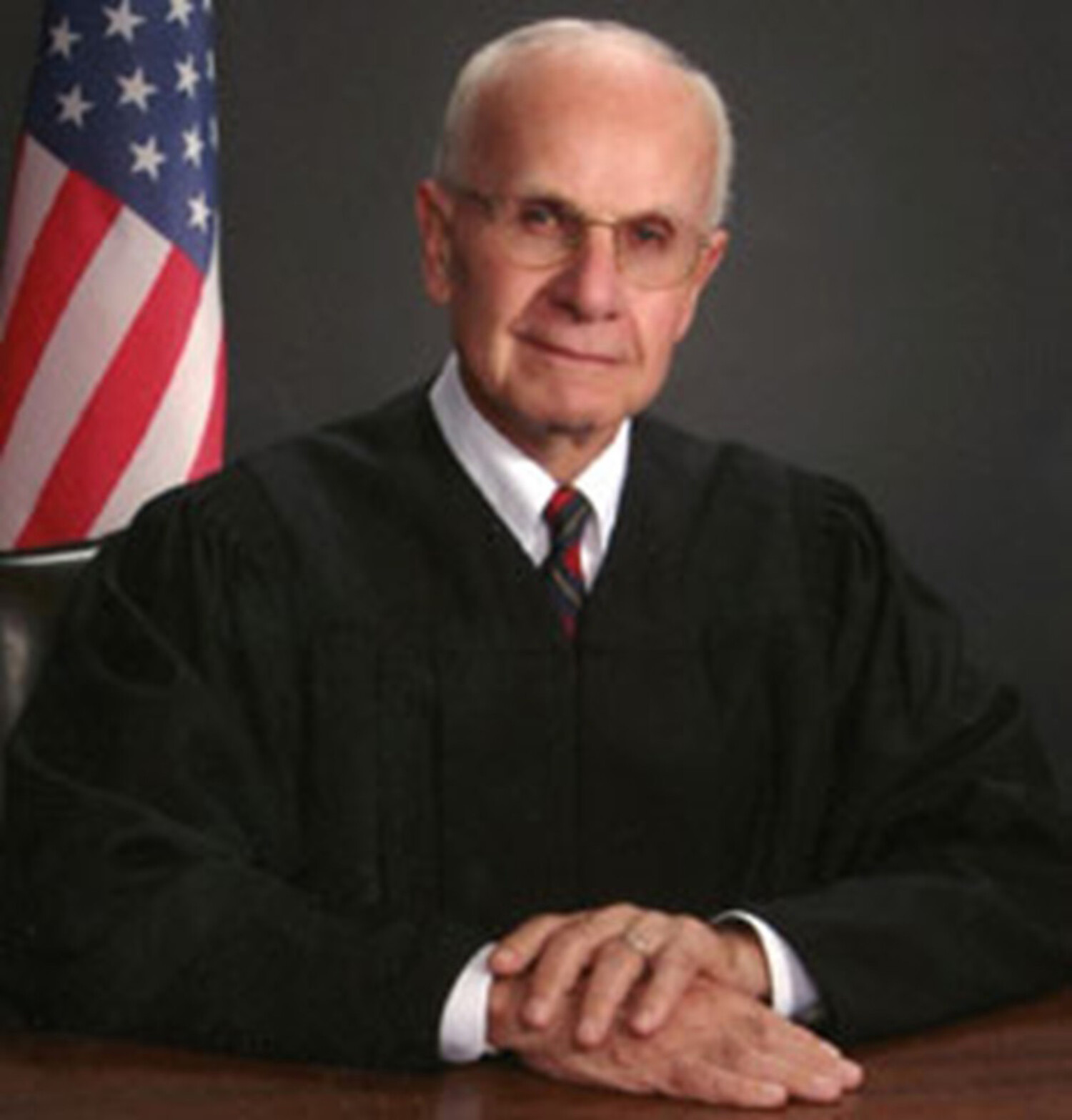
His approach to the NFL cases was characterized by a push for transparency and fairness. When disputes arose regarding the interpretation of the CBA, it was Judge Doty who often issued the decisive ruling, ensuring that both the league and the players’ union adhered to their contractual obligations. This longevity in the case made him a unique figure in sports history; it is rare for a single federal judge to act as the primary overseer of a major professional league’s labor relations for such an extended period.
What Happens Next for the Court
Following the announcement of his passing, the U.S. District Court for the District of Minnesota has begun the process of reassigning the remaining cases on Judge Doty’s docket. The court is expected to issue a formal order regarding the transition of these matters in the coming days. No public memorial service details have been released by the court at this time.
The legacy of Judge Doty remains embedded in the current NFL landscape, as every contract negotiation and salary cap calculation traces its legitimacy back to the framework he helped secure. As the league continues to evolve, the standards set by his court remain the baseline for labor relations in American professional sports.
This is a developing story. For updates on court proceedings or public commemorations, please visit the official U.S. District Court for the District of Minnesota website. Readers are invited to share their thoughts or memories regarding Judge Doty’s career in the comments below.
Worth a look