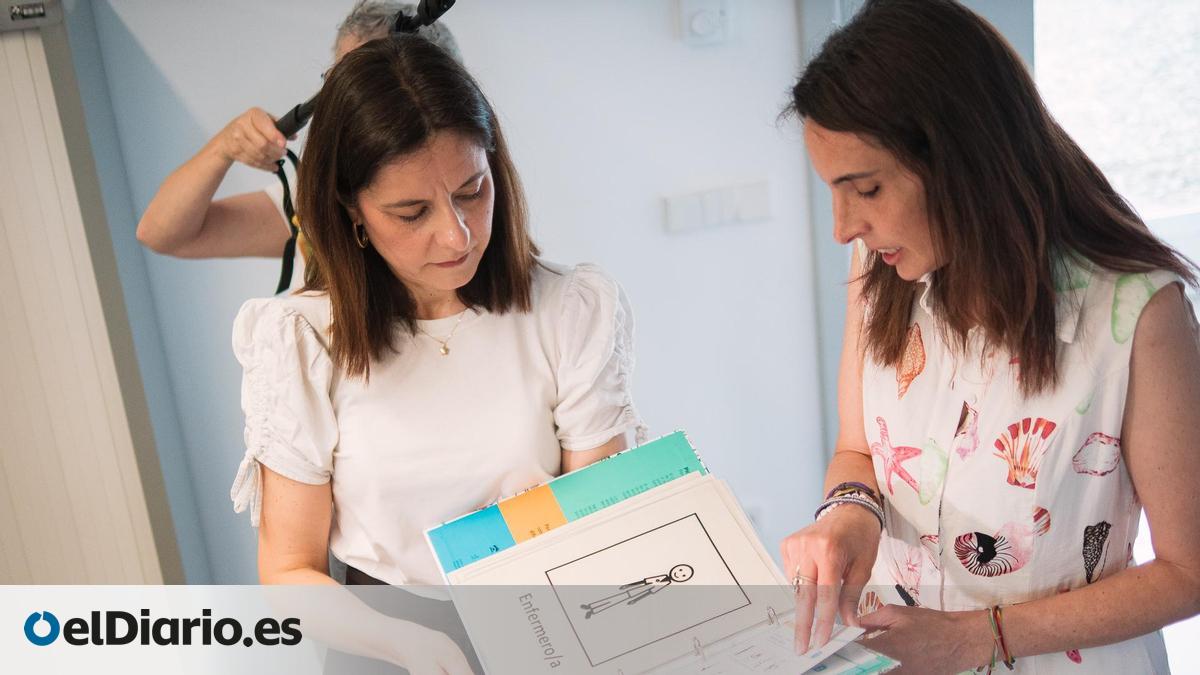
La Rioja, Spain, has become the first autonomous community to roll out pictogram-based communication tools in pediatric and dental clinics, specifically designed to assist children with autism spectrum disorder (ASD). The initiative, launched in collaboration with regional health authorities and autism advocacy groups, aims to reduce anxiety and improve medical interactions for an estimated 1 in 100 children in Spain diagnosed with ASD, according to the Spanish National Institute of Statistics (INE). While no official figures have been released on the number of clinics participating, sources confirm the pilot program includes at least 20 healthcare facilities across the region.
The pictograms, developed in partnership with the European Autism Federation, cover essential medical procedures such as vaccinations, dental examinations, and routine check-ups. Each symbol is paired with simple text explanations to help children understand what to expect during their visit. “This is a game-changer for families,” says Dr. María López, a pediatrician at Hospital San Pedro in Logroño, who has been involved in the training of medical staff. “Children with autism often struggle with verbal communication, and these visual aids can significantly reduce stress for both the patient and healthcare providers.”
Spain joins a growing trend in Europe where visual communication tools are being integrated into healthcare settings. Similar programs have been successfully implemented in Portugal and the Netherlands, with studies showing a 30% reduction in anxiety-related behaviors among children with autism during medical visits, according to a 2022 study published in the Journal of Autism and Developmental Disorders. The La Rioja initiative is notable for its regional scope and official endorsement by the La Rioja Government’s Health Department, making it the first of its kind in Spain.
Why Are Pictograms Being Used in Medical Settings for Children with Autism?
Children with autism often experience sensory overload and difficulty processing verbal instructions, which can lead to distress during medical procedures. Pictograms provide a universal, non-verbal way to communicate complex medical processes. For example, a symbol of a needle paired with the word “vaccine” can help a child anticipate what will happen next, reducing fear and resistance. “The key is consistency,” explains Dr. López. “When children see the same symbols repeatedly, they begin to associate them with safety and routine.”
The initiative also includes training for healthcare professionals on how to use the pictograms effectively. Staff members are taught to incorporate the visual aids into their interactions, such as showing a child a pictogram of a stethoscope before an examination. This approach aligns with best practices recommended by the World Health Organization (WHO), which emphasizes person-centered care for individuals with disabilities.
While the program is currently limited to La Rioja, there are plans to expand it nationwide. The Spanish Ministry of Health has expressed interest in adopting similar strategies, with a spokesperson stating that “this pilot could serve as a model for other regions.” The next phase of the project will include gathering data on its effectiveness, with preliminary results expected by mid-2025.
How Were the Pictograms Developed and Who Benefits?
The pictogram system was co-designed by a team of pediatricians, dentists, and autism specialists, including representatives from the Autism Derioja Association. The symbols were chosen based on feedback from families and children with autism, ensuring they are intuitive and culturally relevant. “We wanted to create something that feels familiar to the children,” says Elena Martínez, a speech therapist involved in the project. “The symbols are simple, colorful, and avoid any elements that might trigger anxiety.”


The initiative directly benefits children with autism, their families, and healthcare providers. For families, the pictograms reduce the need for extensive preparation before medical visits, as the visual cues make the process more predictable. Healthcare providers, in turn, report fewer instances of resistance or meltdowns during examinations. “It’s not just about the child’s comfort,” adds Dr. López. “When a child is calmer, the entire visit becomes more efficient and less stressful for everyone involved.”
Beyond autism, the pictograms could also benefit other children with communication challenges, such as those with intellectual disabilities or language delays. The La Rioja Health Department has indicated that the system may be adapted for broader use in the future, depending on the success of the pilot program.
What Challenges Remain in Implementing This Program?
While the initiative has been widely praised, challenges remain. One major hurdle is ensuring consistent use of the pictograms across all participating clinics. Some healthcare providers may require additional training to fully integrate the visual aids into their practice. “It’s not just about handing out the pictograms,” notes Martínez. “Staff need to be comfortable using them in real-time during consultations.”
Another challenge is funding. The initial rollout was supported by regional health budgets, but long-term sustainability will depend on securing additional resources. Advocacy groups are currently lobbying the Spanish government for national funding to expand the program. “This is a public health issue,” says a spokesperson for Autism Derioja. “If it works in La Rioja, it should be available everywhere.”
There are also concerns about the scalability of the project. While the pictograms are effective, they require ongoing updates to remain relevant. For example, new medical procedures or changes in healthcare protocols may necessitate additional symbols. The team behind the initiative is already working on a digital version that can be easily updated and distributed.
What Happens Next for Spain’s Autism Healthcare Initiative?
The next critical step for the La Rioja program is the collection and analysis of data to measure its impact. Researchers will track metrics such as patient anxiety levels, the duration of medical visits, and the frequency of adverse reactions (such as meltdowns or refusal to cooperate). Early feedback from participating clinics suggests promising results, but formal evaluations are still underway.
If the pilot proves successful, the Spanish Ministry of Health has indicated it will consider a nationwide rollout. A spokesperson for the ministry confirmed that “we are closely monitoring the progress in La Rioja and will evaluate whether to implement similar measures in other autonomous communities.” The timeline for a national decision remains uncertain, but officials expect to have more clarity by the end of 2024.
In the meantime, families in La Rioja are already seeing the benefits. “My son used to cry every time we went to the dentist,” says Carlos Ruiz, a father of a 7-year-old with autism. “Now, he looks at the pictogram and knows exactly what’s going to happen. It’s made a huge difference.”
For readers interested in learning more or accessing the pictograms, the La Rioja Health Department has made the visual aids available for download on its website. Additionally, the European Autism Federation offers resources for families and healthcare providers looking to implement similar systems in their regions.
As Spain takes this step forward in inclusive healthcare, the initiative serves as a model for other countries looking to improve medical experiences for children with autism. The success of the La Rioja program could pave the way for broader adoption of visual communication tools in healthcare settings worldwide.
Have questions about how visual communication tools can improve healthcare for children with autism? Share your thoughts in the comments below or tag @WorldTodayJrnl on Twitter for more updates.
Related reading