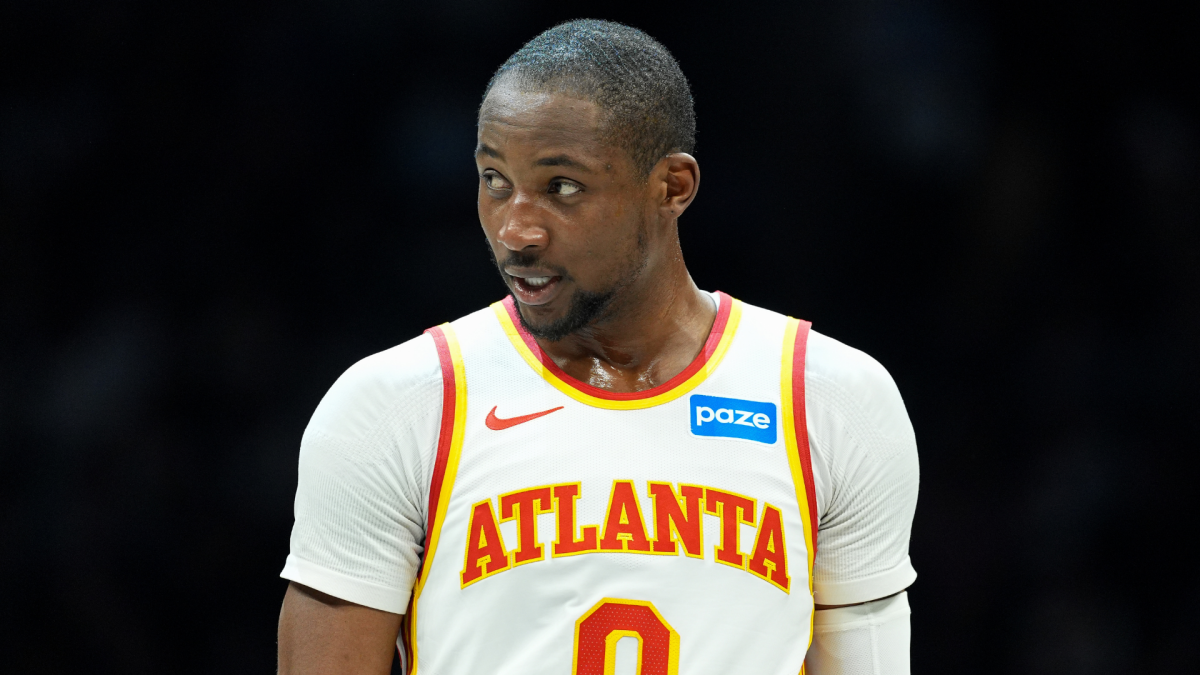
The Los Angeles Lakers are currently navigating a complex roster evaluation as they weigh the defensive benefits of acquiring center Walker Kessler against the urgent need for perimeter versatility. While the franchise’s pursuit of frontcourt stability has been a recurring theme in recent trade discussions, the potential inclusion of Jonathan Kuminga in broader league negotiations highlights a strategic dilemma: how to balance interior protection with the modern necessity of wing scoring.
According to official team rosters and recent league reports, the Lakers remain focused on optimizing their rotation around core stars. The interest in Kessler, a rim-protecting specialist currently with the Utah Jazz, stems from a desire to fortify the paint. However, front-office moves are rarely isolated; the potential movement of players like Kuminga—who brings athleticism and wing-scoring potential—suggests that Los Angeles is balancing immediate defensive upgrades against long-term roster construction.
The Defensive Value of Walker Kessler
Walker Kessler has established himself as one of the league’s most efficient shot-blockers since entering the NBA in 2022, as tracked by Basketball-Reference. For the Lakers, adding a traditional center who can anchor a defense allows for more flexibility in their defensive schemes, particularly when protecting the rim during high-intensity minutes. The team’s interest is grounded in analytics that favor high-percentage interior defense, a role Kessler fills with consistency.

However, the cost of such a move involves significant assets. NBA trade regulations require teams to match salaries within specific parameters, often necessitating the inclusion of multiple players or future draft capital. The Lakers’ front office, led by Rob Pelinka, must weigh whether the defensive ceiling provided by Kessler outweighs the loss of depth or potential scoring options on the perimeter.
Balancing the Wing with Jonathan Kuminga
The conversation surrounding Jonathan Kuminga adds a layer of complexity to the Lakers’ potential trade strategy. Kuminga, a forward known for his transition scoring and defensive switchability, represents the type of “two-way” wing player that is essential for competing in the Western Conference. League analysts often categorize the current Lakers roster as having a “gaping hole on the wing,” specifically regarding players who can create their own shots while maintaining defensive integrity.

If the Lakers were to prioritize a player of Kuminga’s profile, they would be shifting their strategy from a traditional, interior-focused approach to a more modern, positionless style of basketball. ESPN’s team coverage notes that the challenge for Los Angeles lies in the fact that acquiring a high-level wing often requires the same trade assets that would be used to secure a rim protector, forcing a binary choice in their recruitment strategy.
Roster Management and Strategic Trade-offs
The Lakers’ situation is reflective of broader trends in the NBA, where teams are increasingly forced to choose between specialized roles and versatile depth. The team’s current salary cap situation, monitored through the NBA Collective Bargaining Agreement (CBA) guidelines, limits their ability to pursue multiple high-value targets simultaneously. This financial reality makes every trade negotiation a high-stakes decision.
The dilemma is further complicated by the need to support the team’s veteran leadership. Maintaining a competitive window requires players who can contribute immediately rather than developmental projects. Whether the Lakers decide to commit to the defensive reliability of a center like Kessler or the dynamic potential of a wing like Kuminga will likely be determined by the team’s performance metrics as the mid-season trade deadline approaches.
Next Steps for the Lakers Front Office
As the NBA season progresses, the next significant checkpoint for the Lakers will be the league’s annual trade deadline, typically occurring in February. Until then, the team will continue to monitor the availability of players across the league through internal scouting and informal discussions with other front offices. Fans and analysts alike are awaiting official statements regarding any potential roster adjustments as the organization moves to solidify its playoff positioning.

The landscape of the Western Conference remains highly competitive, and the Lakers’ ability to address their specific needs will be a primary indicator of their postseason outlook. For more updates on roster moves and official team announcements, supporters are encouraged to follow the official Lakers news portal. We invite readers to share their thoughts on the team’s current direction in the comments section below.